
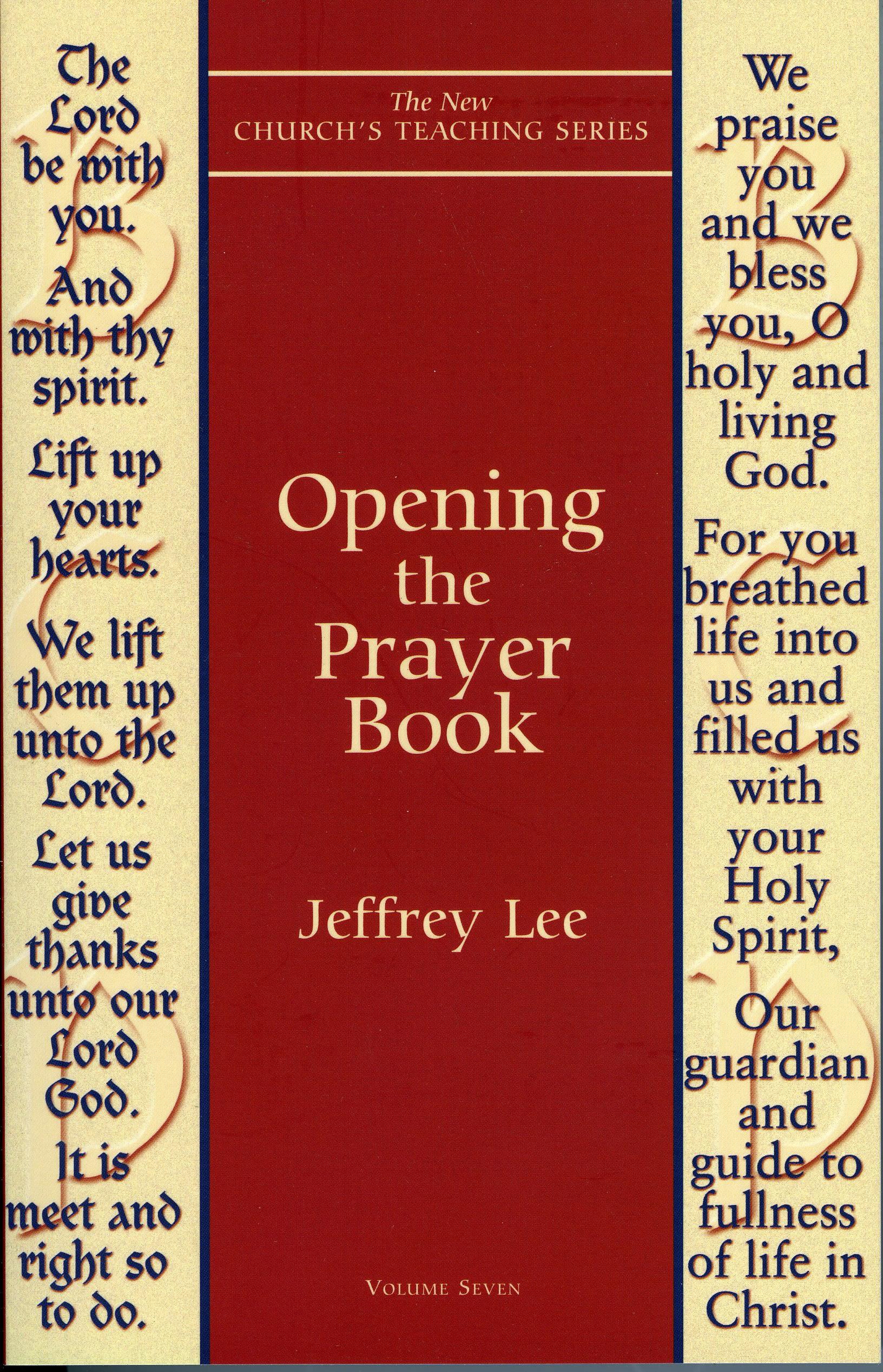
What Roger Ferlo did for the Bible in Opening the Bible, volume 2 of The New Church's Teaching Series, Jeffrey Lee now does for the prayer book in volume 7 of the series. Opening the Prayer Book introduces us to the history and liturgies of The Book of Common Prayer, and helps us understand why the prayer book is such an important aspect of Anglican self-understanding.
Lee begins with the fundamental question, “What is common prayer?” He explores some of the ways in which our worship according to The Book of Common Prayer affects who we are as a church, and the way it shapes our lives of faith. In chapter 2 Lee turns to the development of patterns of liturgy from the time of Jesus to the Reformation, tracing changes in the primary liturgies of baptism, eucharist, and daily prayer. The American prayer book is the focus of chapter 3, from the earliest revisions in the new nation through the liturgical scholarship that led to the substantial theological and liturgical changes in the 1979 Book of Common Prayer.
Chapter 4 begins a survey of the pages of the prayer book itself. Lee examines in particular the liturgies of Holy Week and Easter, baptism and eucharist, and the daily office, with a view to understanding the way the parts of the services are rooted in the historical prayers of the church and at the same time reflect the living tradition of Christians today. This theme is further developed in chapter 5, which focuses on the prayer book and our common life. Here Lee discusses questions of how a common prayer book can be responsive to a growing variety of pastoral situations and diverse cultures in a fast-changing world. The final chapter addresses the future of the prayer book within the Anglican Communion, in light of demands for further revision and for greater freedom to adapt the prayer book to local needs and beliefs.
As with each book in The New Church's Teaching Series, recommended resources for further reading and questions for discussion are included.
Lee begins with the fundamental question, “What is common prayer?” He explores some of the ways in which our worship according to The Book of Common Prayer affects who we are as a church, and the way it shapes our lives of faith. In chapter 2 Lee turns to the development of patterns of liturgy from the time of Jesus to the Reformation, tracing changes in the primary liturgies of baptism, eucharist, and daily prayer. The American prayer book is the focus of chapter 3, from the earliest revisions in the new nation through the liturgical scholarship that led to the substantial theological and liturgical changes in the 1979 Book of Common Prayer.
Chapter 4 begins a survey of the pages of the prayer book itself. Lee examines in particular the liturgies of Holy Week and Easter, baptism and eucharist, and the daily office, with a view to understanding the way the parts of the services are rooted in the historical prayers of the church and at the same time reflect the living tradition of Christians today. This theme is further developed in chapter 5, which focuses on the prayer book and our common life. Here Lee discusses questions of how a common prayer book can be responsive to a growing variety of pastoral situations and diverse cultures in a fast-changing world. The final chapter addresses the future of the prayer book within the Anglican Communion, in light of demands for further revision and for greater freedom to adapt the prayer book to local needs and beliefs.
As with each book in The New Church's Teaching Series, recommended resources for further reading and questions for discussion are included.
Betal enkelt med kort, Klarna, Apple Pay eller Google Pay. Ikke fornøyd? Du har alltid 14 dagers angrerett. Les mer i våre vilkår. Har du spørsmål, send oss en e-post på hello@memmo.org.
Memmo gjør det enklere å studere – uansett hvor du er i verden. Hos oss samler du pensumbøker og smarte studieverktøy på ett og samme sted: sammendrag, quizer, podkaster og flashcards. Og så Ted, din studiekompis som svarer på alt du lurer på. Over 50 000 studenter studerer allerede her – bygget for at du skal lære raskere og stresse mindre.