
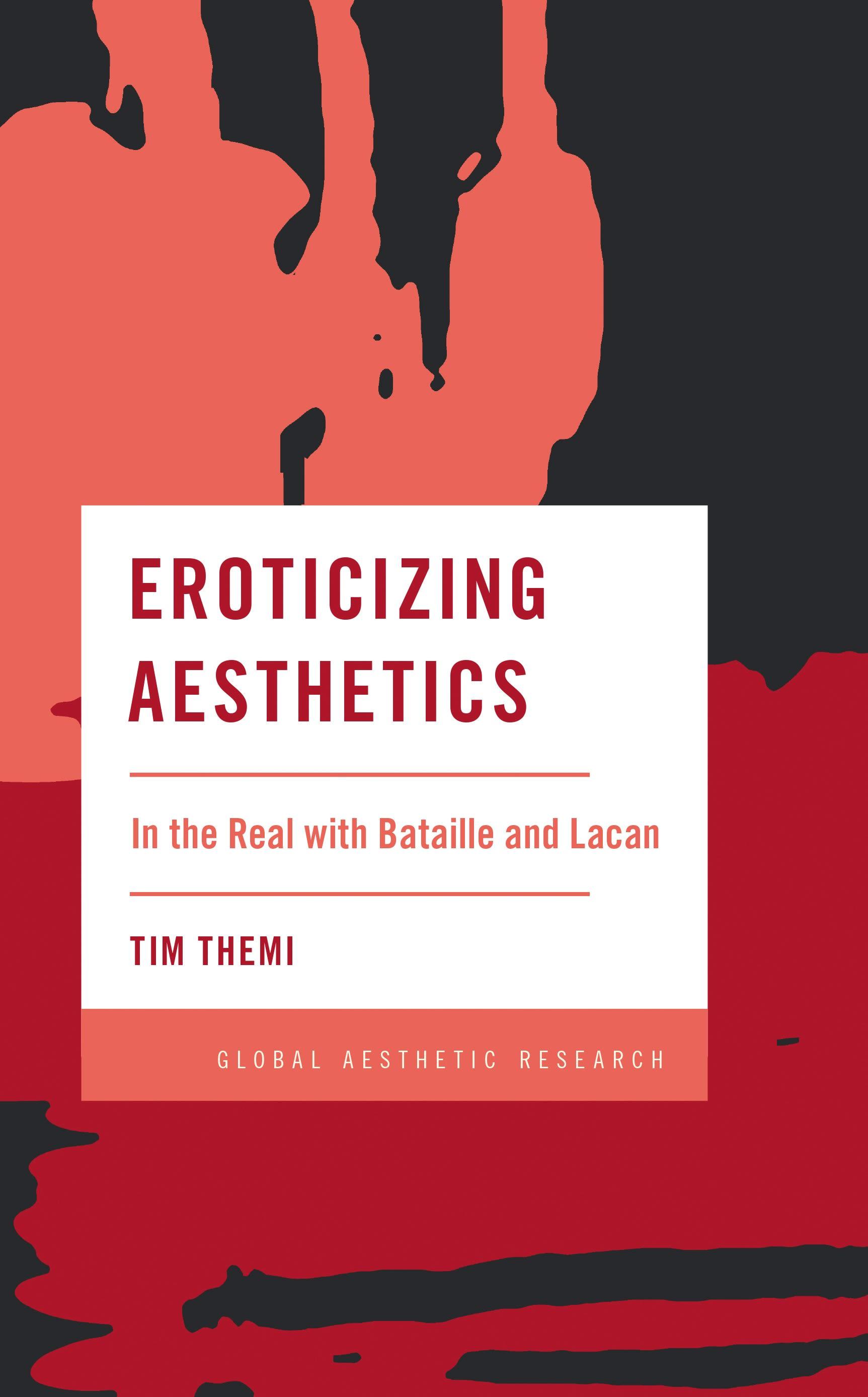
Bringing together Bataille with Lacan and Nietzsche, Tim Themi examines the role of aesthetics implicit in each and how this invokes an erotic process celebrating the real of what is usually excluded from articulation. Bataille came to deem eroticism as the standpoint from which to grasp humanity as a whole, based on his understanding of our transition to humanity being founded on a series of taboos placed on inner animality. An erotic outlet for the latter was historically the aesthetic dimensions of our religions, but Bataille’s view of how this was gradually diminished has much in keeping with Nietzsche’s critique of Christian-Platonic dualism and Lacan’s of the desexualised Good of Western metaphysics. Building from these often surprising proximities, Themi closely examines Bataille’s many interventions into the history of aesthetics — from his confrontations with Breton’s surrealism to his own novels and encounter with the animal cave paintings of Lascaux — radically re-illuminating the corollary phenomena of Dionysos in Nietzsche’s philosophy and the “jouissance [enjoyment] of transgression” in the psychoanalysis of Lacan. A new ethical criterion for aesthetic works and creations on this basis becomes possible.
Betal enkelt med kort, Klarna, Apple Pay eller Google Pay. Ikke fornøyd? Du har alltid 14 dagers angrerett. Les mer i våre vilkår. Har du spørsmål, send oss en e-post på hello@memmo.org.
Memmo gjør det enklere å studere – uansett hvor du er i verden. Hos oss samler du pensumbøker og smarte studieverktøy på ett og samme sted: sammendrag, quizer, podkaster og flashcards. Og så Ted, din studiekompis som svarer på alt du lurer på. Over 50 000 studenter studerer allerede her – bygget for at du skal lære raskere og stresse mindre.