
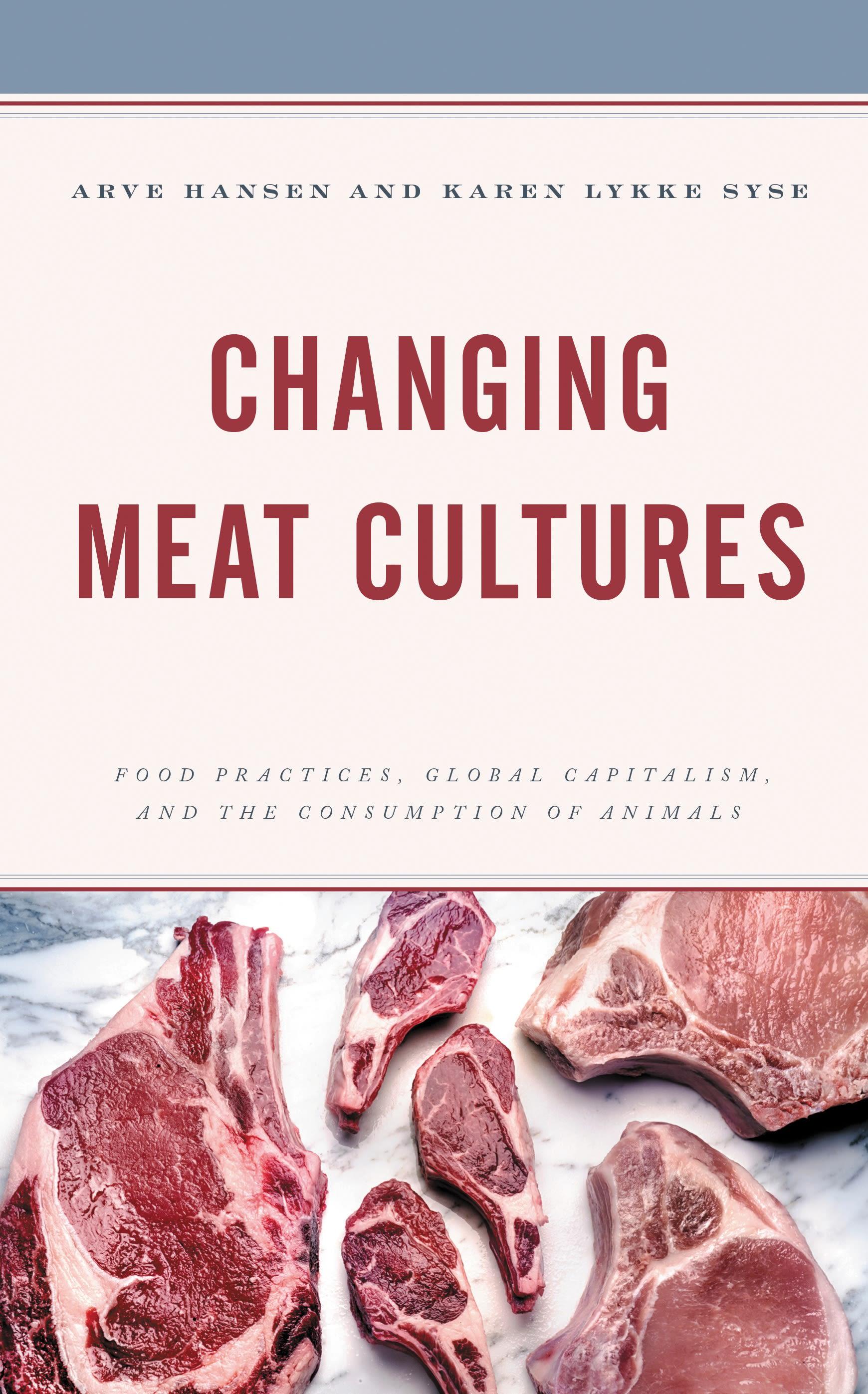
This collection explains changing meat cultures through studies of both everyday food practices and the political economy of industrialized animal husbandry. We do this through case studies from 'affluent' and 'developing' countries. These contributions will shed light on global food connections and show how global, industrialized food and fodder systems have changed the way we relate to animals, their meat, and what kind of animals’ meat we eat. In the past few years, controversies around meat have arisen around industrialization and globalization of meat production, often pivoting around health, environmental problems, and animal welfare issues. Although meat increasingly figures as a problem, most consumers’ knowledge of animal husbandry and meat is more absent than ever. How is meat produced today, and where? How do we consume meat, and how have our consumption habits changed? Why have these changes occurred, and what are the social and cultural consequences of these changes? This book takes the reader on a geographic, ethnographic and historical journey to rural and urban areas and arenas across the world, and tells a series of stories of the dramatic changes in meat consumption.
Betal enkelt med kort, Klarna, Apple Pay eller Google Pay. Ikke fornøyd? Du har alltid 14 dagers angrerett. Les mer i våre vilkår. Har du spørsmål, send oss en e-post på hello@memmo.org.
Memmo gjør det enklere å studere – uansett hvor du er i verden. Hos oss samler du pensumbøker og smarte studieverktøy på ett og samme sted: sammendrag, quizer, podkaster og flashcards. Og så Ted, din studiekompis som svarer på alt du lurer på. Over 50 000 studenter studerer allerede her – bygget for at du skal lære raskere og stresse mindre.