
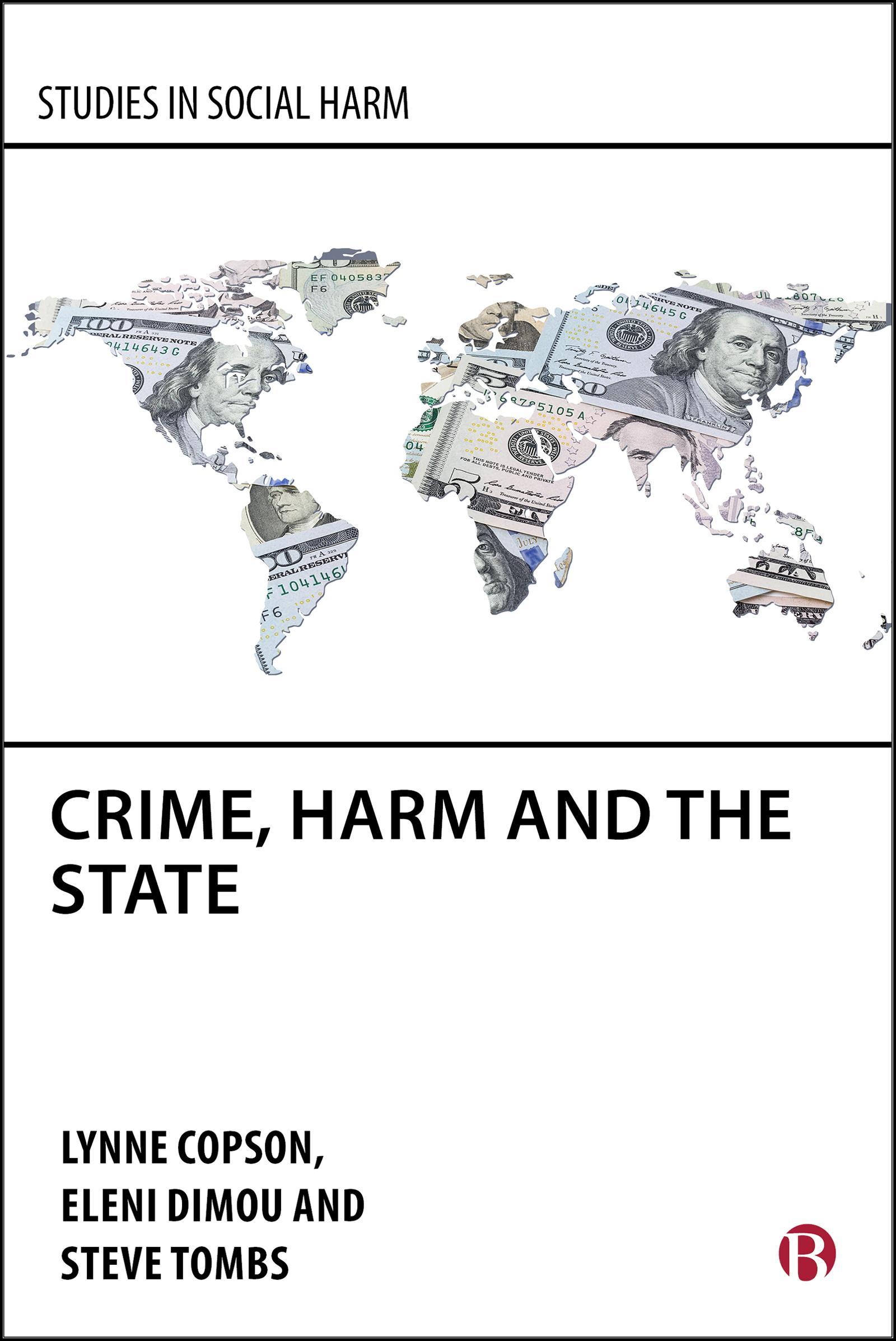
Why are some harms defined as crimes while others are not? This pioneering collection disrupts the boundaries of criminology, offering a bold, innovative exploration of crime, state power and social harm across historical and global contexts.
Bridging zemiology, governmentality studies, and decolonial theory, this book offers a fresh perspective on how the colonial roots and ongoing dynamics of global capitalism perpetuate harm, particularly in the Global South. Through compelling case studies on topics such as tourism, drugs, non-human animals, food, ecology, minoritized groups and migration, it reveals how colonial legacies and structural injustices shape who experiences harm, whose experiences are acknowledged - and how harm may be resisted.
Betal enkelt med kort, Klarna, Apple Pay eller Google Pay. Ikke fornøyd? Du har alltid 14 dagers angrerett. Les mer i våre vilkår. Har du spørsmål, send oss en e-post på hello@memmo.org.
Memmo gjør det enklere å studere – uansett hvor du er i verden. Hos oss samler du pensumbøker og smarte studieverktøy på ett og samme sted: sammendrag, quizer, podkaster og flashcards. Og så Ted, din studiekompis som svarer på alt du lurer på. Over 50 000 studenter studerer allerede her – bygget for at du skal lære raskere og stresse mindre.