
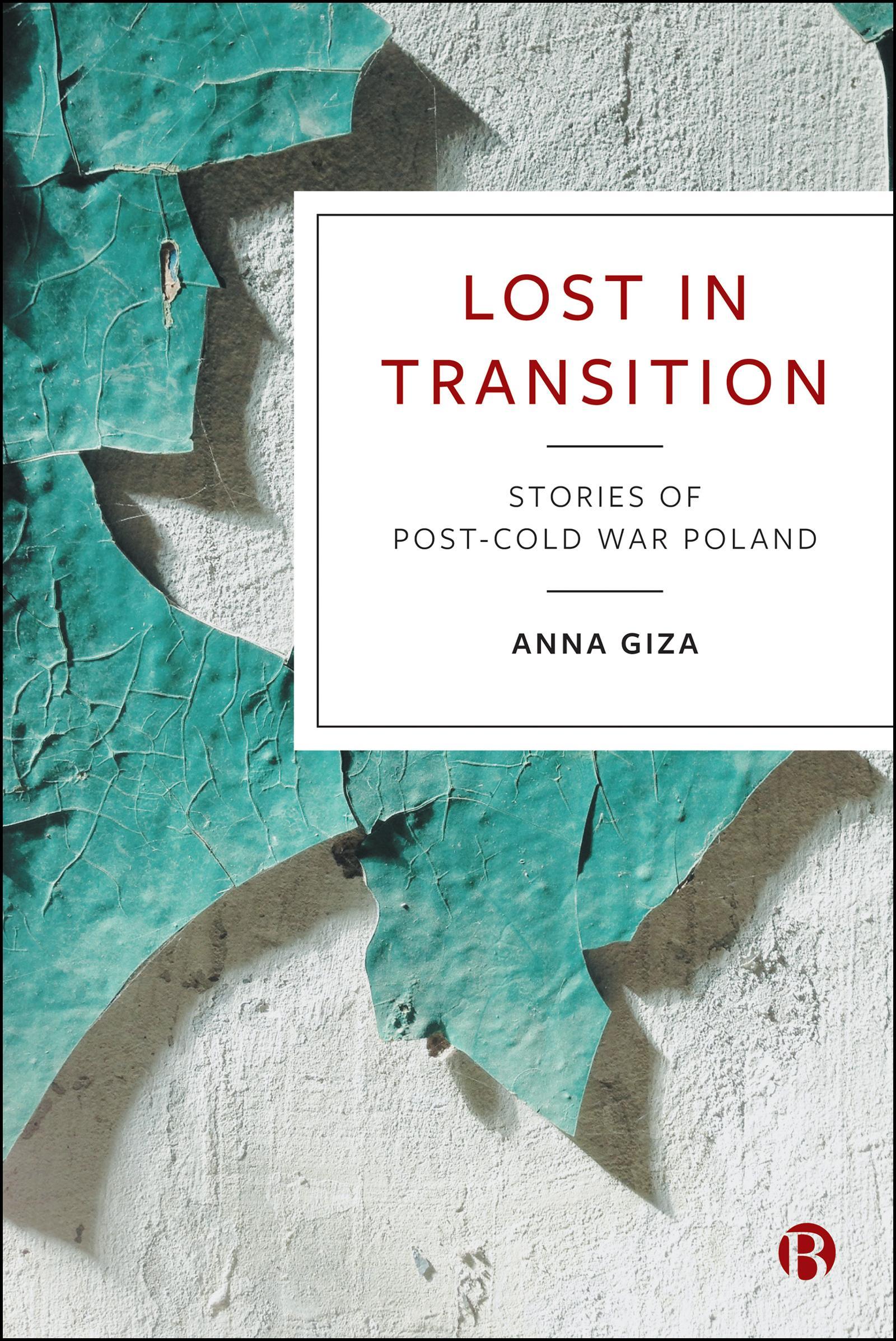
This book examines the contradictions in the narratives surrounding the post-socialist transition in Eastern Europe. While countries such as Poland and Hungary are hailed as successful transitions to liberal democracies, they are also seen as semi-authoritarian regimes undermining democracy.
The book questions what the transition was truly about, challenging the dominant narrative and highlighting the overlooked aspects of society, such as the agency of people and organizations, the ethical resources upon which society and economy are based, and ideas about who we are as human beings. Focusing on organizations and the world of paid work, it uses Poland as a case study to explore the hidden consequences of the transition and its broader relevance for both Eastern Europe and the West.
Betal enkelt med kort, Klarna, Apple Pay eller Google Pay. Ikke fornøyd? Du har alltid 14 dagers angrerett. Les mer i våre vilkår. Har du spørsmål, send oss en e-post på hello@memmo.org.
Memmo gjør det enklere å studere – uansett hvor du er i verden. Hos oss samler du pensumbøker og smarte studieverktøy på ett og samme sted: sammendrag, quizer, podkaster og flashcards. Og så Ted, din studiekompis som svarer på alt du lurer på. Over 50 000 studenter studerer allerede her – bygget for at du skal lære raskere og stresse mindre.