
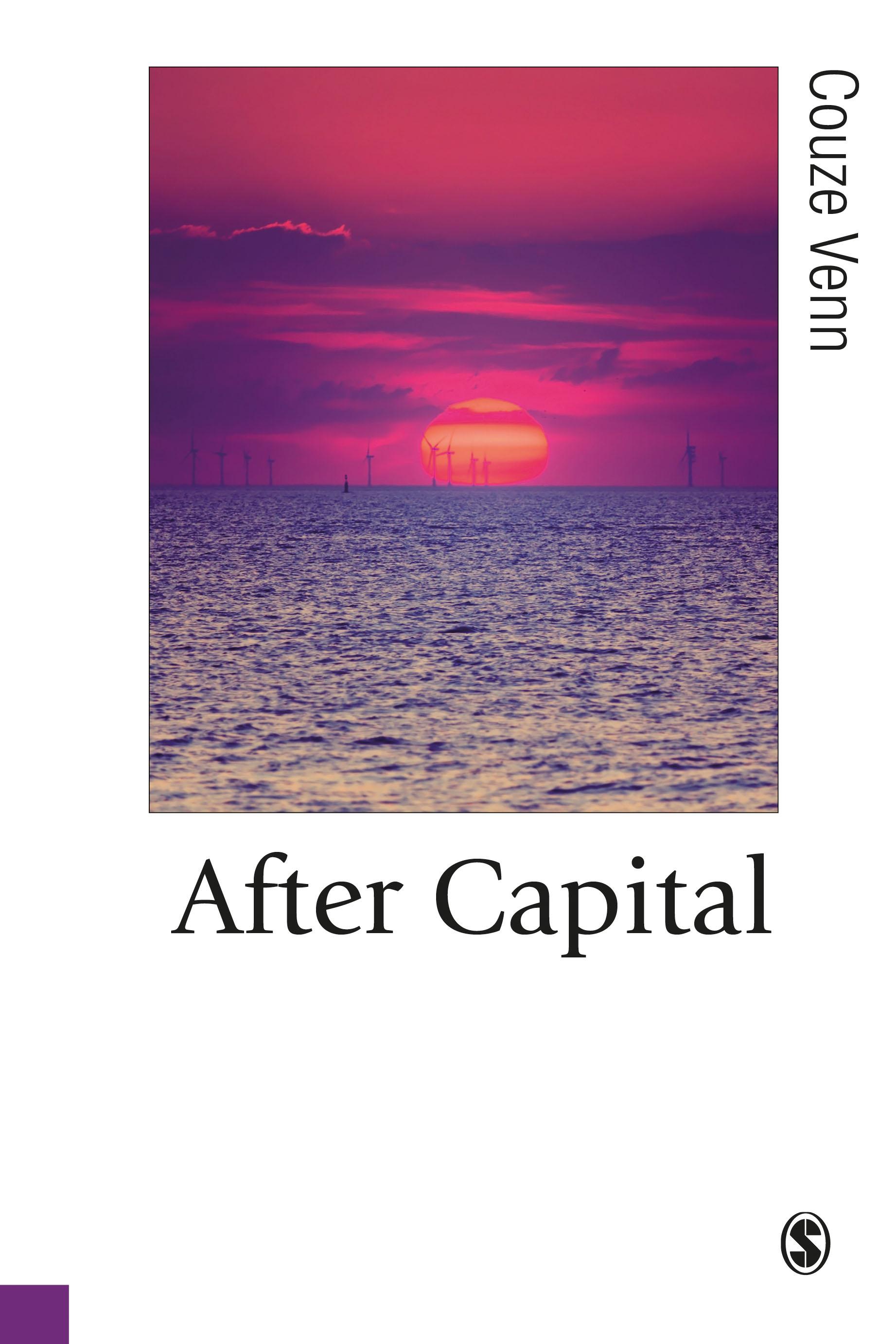
The present crisis of capitalism has a history. A history of the private accumulation of wealth through property regimes which allow increasing commodification and the privatisation of resources: from land to knowledge and even to life itself. Understanding that history may allow us to imagine alternatives after Capital which are no longer private but common.
After Capital explores this history, showing how the economy is linked to environmental damage, climate change, resource depletion, and to massive inequality. It takes the reader from liberalism to neoliberalism, from climate change to the Anthropocene, and shows how this history is inextricably the history of colonialism. It is a rich and detailed narrative of capitalism over the last 200 years, that explains its texture and its neoliberal endgame.
This discussion frames speculation on what postcapitalist societies could be, with regimes of private accumulation replaced by a politics and ethics of a democratic and ecologically- grounded Commons.
Betal enkelt med kort, Klarna, Apple Pay eller Google Pay. Ikke fornøyd? Du har alltid 14 dagers angrerett. Les mer i våre vilkår. Har du spørsmål, send oss en e-post på hello@memmo.org.
Memmo gjør det enklere å studere – uansett hvor du er i verden. Hos oss samler du pensumbøker og smarte studieverktøy på ett og samme sted: sammendrag, quizer, podkaster og flashcards. Og så Ted, din studiekompis som svarer på alt du lurer på. Over 50 000 studenter studerer allerede her – bygget for at du skal lære raskere og stresse mindre.