
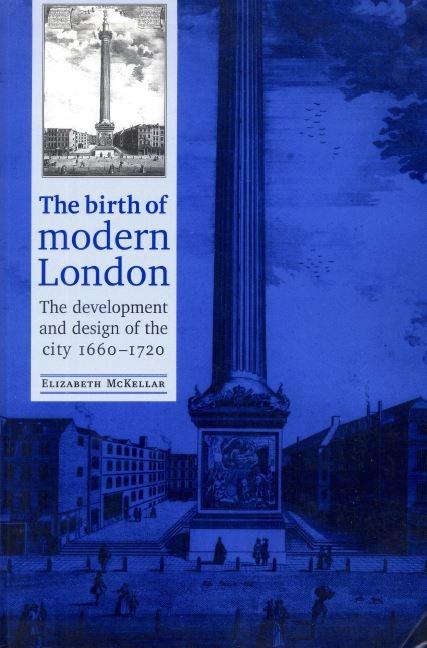
The period 1660–1720 saw the foundation of modern London. The city was transformed post-Fire from a tight warren of medieval timber-framed buildings into a vastly expanded, regularised landscape of brick houses laid out in squares and spacious streets. This book examines the building boom and the speculative developers who created that landscape. It offers a wealth of new information on their working practices, the role of craftsmen and the design thinking which led to the creation of a new prototype for English housing.
While concentrating on the mass-produced houses of 'the middling sort', which saw the adoption of classicism on a large scale in this country for the first time, the book reveals that the 'new city' maintained a surprising degree of continuity with existing patterns of urban use and traditional architecture. It presents the late-seventeenth and the early eighteenth century as a distinct phase in London's architectural development and offers a radical reinterpretations of the adoption of Renaissance styles and ideas at the level of the everyday, challenging conventional interpretations of their use and reception in this country.
Betal enkelt med kort, Klarna, Apple Pay eller Google Pay. Ikke fornøyd? Du har alltid 14 dagers angrerett. Les mer i våre vilkår. Har du spørsmål, send oss en e-post på hello@memmo.org.
Memmo gjør det enklere å studere – uansett hvor du er i verden. Hos oss samler du pensumbøker og smarte studieverktøy på ett og samme sted: sammendrag, quizer, podkaster og flashcards. Og så Ted, din studiekompis som svarer på alt du lurer på. Over 50 000 studenter studerer allerede her – bygget for at du skal lære raskere og stresse mindre.