
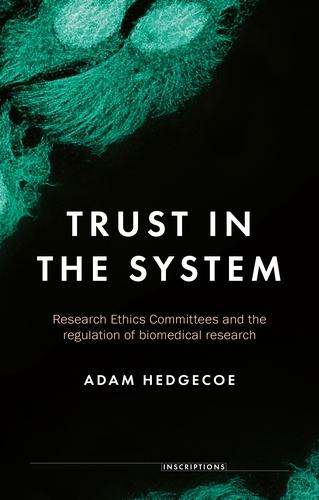
Every month, groups of people from all over the United Kingdom decide what kind of research should be carried out on patients within the NHS. These groups – Research Ethics Committees (RECs) – made up of doctors, nurses, researchers, and members of the general public – help shape the future of medicine, and play a crucial role in the regulation of a wide range of research from social science to epidemiology, vaccine and drugs trials to surgery.
Based on extensive observations, interviews, and archival research, this book provides an in-depth insight into RECs, one of the most crucial forms of regulation around medical research. In providing one of the first empirical examinations of this kind of regulation, this book challenges the impersonal, de-socialised, and mechanical models of REC decision-making.
Betal enkelt med kort, Klarna, Apple Pay eller Google Pay. Ikke fornøyd? Du har alltid 14 dagers angrerett. Les mer i våre vilkår. Har du spørsmål, send oss en e-post på hello@memmo.org.
Memmo gjør det enklere å studere – uansett hvor du er i verden. Hos oss samler du pensumbøker og smarte studieverktøy på ett og samme sted: sammendrag, quizer, podkaster og flashcards. Og så Ted, din studiekompis som svarer på alt du lurer på. Over 50 000 studenter studerer allerede her – bygget for at du skal lære raskere og stresse mindre.