
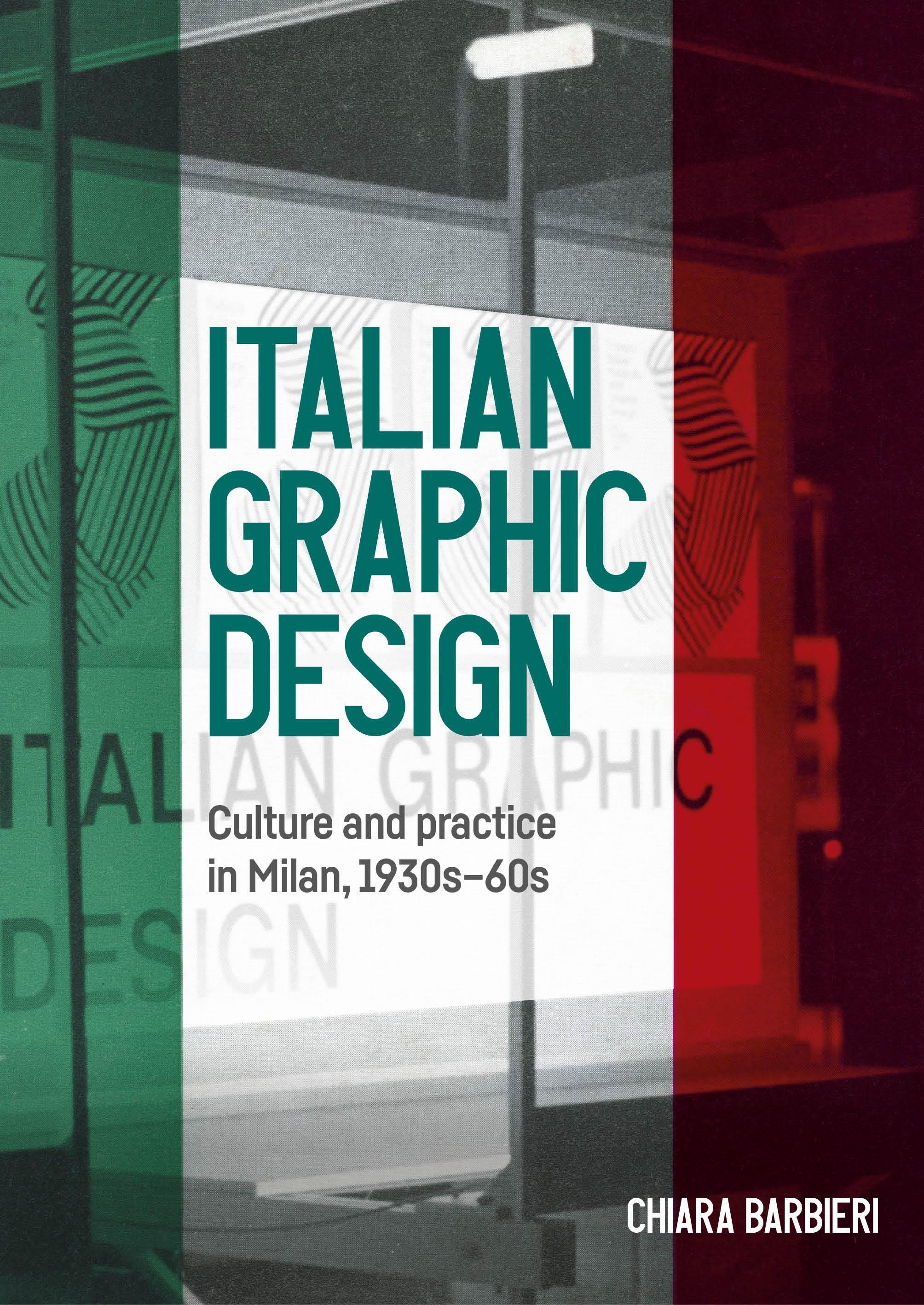
Italian graphic design offers a new perspective on the subject by exploring the emergence and articulation of graphic design practice, from the interwar period through to the appearance of an international graphic design discourse in the 1960s.
The book asks how graphic designers learned their trade and investigates the ways in which they organised and made their practice visible while negotiating their collective identity with neighbouring practices such as typography, advertising and industrial design. Attention is drawn to everyday design practice, educational issues, mediating channels, networks, design exchange, organisational strategies and discourses on modernism.
Drawing on a wide range of primary sources and placing an emphasis on visual analysis, this book provides a model for a contextualised graphic design history as an integral part of the history of design and visual culture.
Betal enkelt med kort, Klarna, Apple Pay eller Google Pay. Ikke fornøyd? Du har alltid 14 dagers angrerett. Les mer i våre vilkår. Har du spørsmål, send oss en e-post på hello@memmo.org.
Memmo gjør det enklere å studere – uansett hvor du er i verden. Hos oss samler du pensumbøker og smarte studieverktøy på ett og samme sted: sammendrag, quizer, podkaster og flashcards. Og så Ted, din studiekompis som svarer på alt du lurer på. Over 50 000 studenter studerer allerede her – bygget for at du skal lære raskere og stresse mindre.