
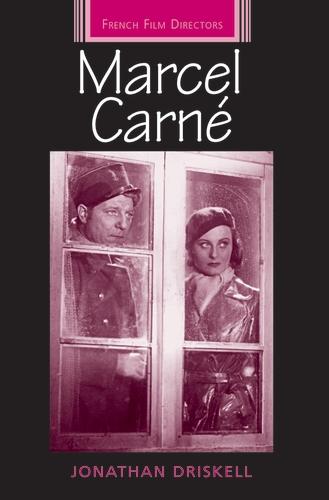
This book provides a scholarly yet accessible account of the work of Marcel Carné, one of the great directors of classical French cinema and the key figure behind the poetic realist film movement of the 1930s. His films, a number of which were made in collaboration with the poet-turned-scriptwriter Jacques Prévert, include such well-known works as Le Quai des brumes, Le Jour se lève and Les Enfants du paradis. As the first book to be written on Carné for a number of years, it offers a fresh perspective on his cinema, particularly through a re-examination of his post-war work – although many of these films were very popular and offer a fascinating insight into France at the time, they have, until now, largely been neglected.
Adopting a carefully crafted aesthetic, his films explore a tension between pessimism and entrapment on the one hand, and transcendence, idealised romantic love and a populist celebration of working-class life on the other. His career traversed key moments in French cinema, including poetic realism, the tradition of quality and the French New Wave, and spanned important historical moments such as the Popular Front of the 1930s, the Second World War and France’s post-war modernisation.
This book will be of interest to scholars, students and film-lovers alike.
Betal enkelt med kort, Klarna, Apple Pay eller Google Pay. Ikke fornøyd? Du har alltid 14 dagers angrerett. Les mer i våre vilkår. Har du spørsmål, send oss en e-post på hello@memmo.org.
Memmo gjør det enklere å studere – uansett hvor du er i verden. Hos oss samler du pensumbøker og smarte studieverktøy på ett og samme sted: sammendrag, quizer, podkaster og flashcards. Og så Ted, din studiekompis som svarer på alt du lurer på. Over 50 000 studenter studerer allerede her – bygget for at du skal lære raskere og stresse mindre.