
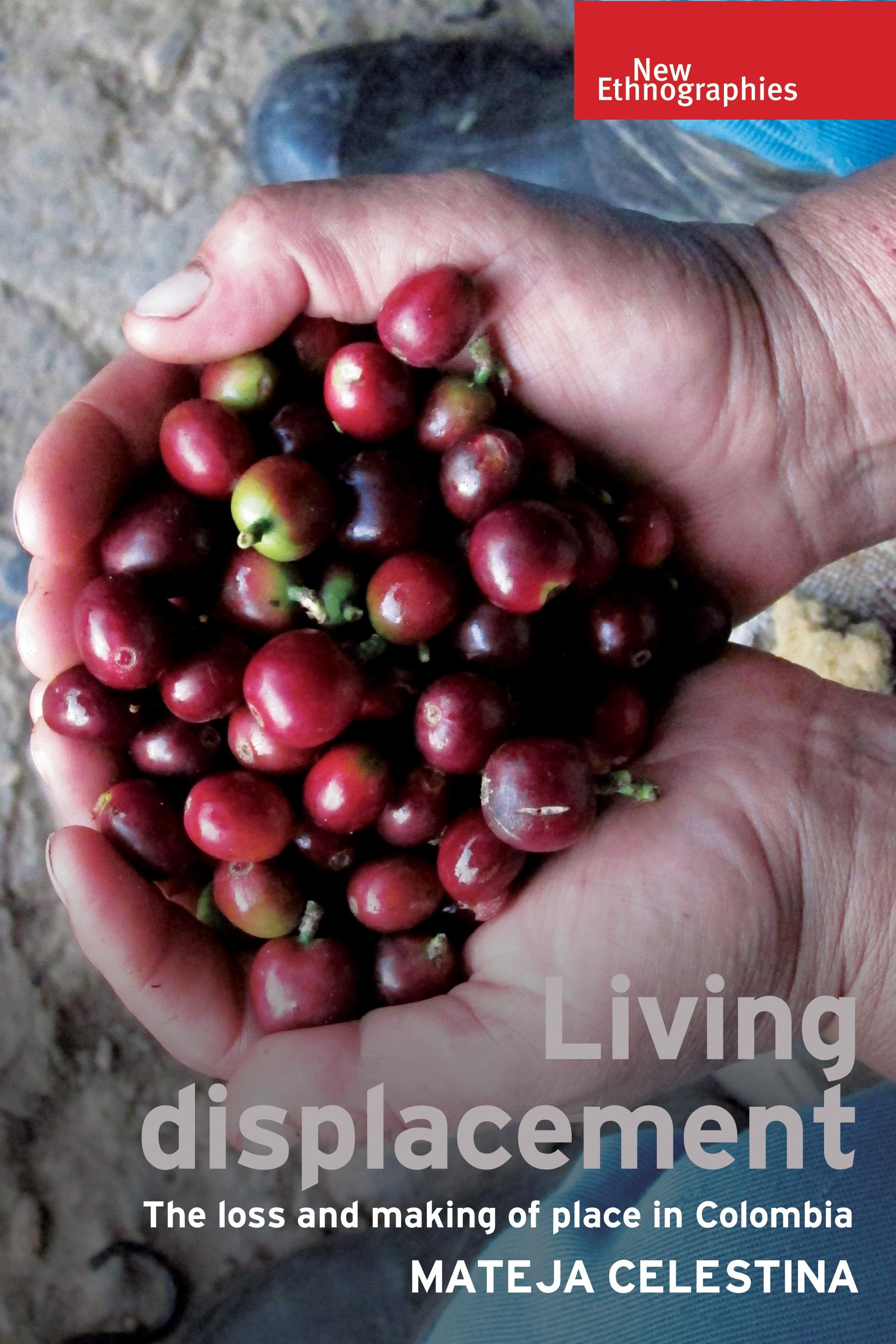
Focusing on two cases of resettlement in rural Cundinamarca, Colombia, this book examines how displaced campesinos make sense of their displacement and how displacement shapes their everyday lives. It is based on a ten-month fieldwork employing ethnographic methods working, living and sharing with the displaced and their host. The book calls for a longer time-frame analysis of the phenomenon of displacement, which considers people’s lives both pre- and post- physical relocation. It examines how violence and terror altered people’s sense of place and set off displacement process before they actually moved. It analyses the challenges the displaced are facing in their subsequent place-making endeavours, including the negotiation of social relations, consequences of categorization, engagement with the physical land, and memories of violence to challenge the notion that displacement starts with uprooting and terminates with resettlement or return.
Betal enkelt med kort, Klarna, Apple Pay eller Google Pay. Ikke fornøyd? Du har alltid 14 dagers angrerett. Les mer i våre vilkår. Har du spørsmål, send oss en e-post på hello@memmo.org.
Memmo gjør det enklere å studere – uansett hvor du er i verden. Hos oss samler du pensumbøker og smarte studieverktøy på ett og samme sted: sammendrag, quizer, podkaster og flashcards. Og så Ted, din studiekompis som svarer på alt du lurer på. Over 50 000 studenter studerer allerede her – bygget for at du skal lære raskere og stresse mindre.
Du vil kanskje også like
Kjøp boken0