
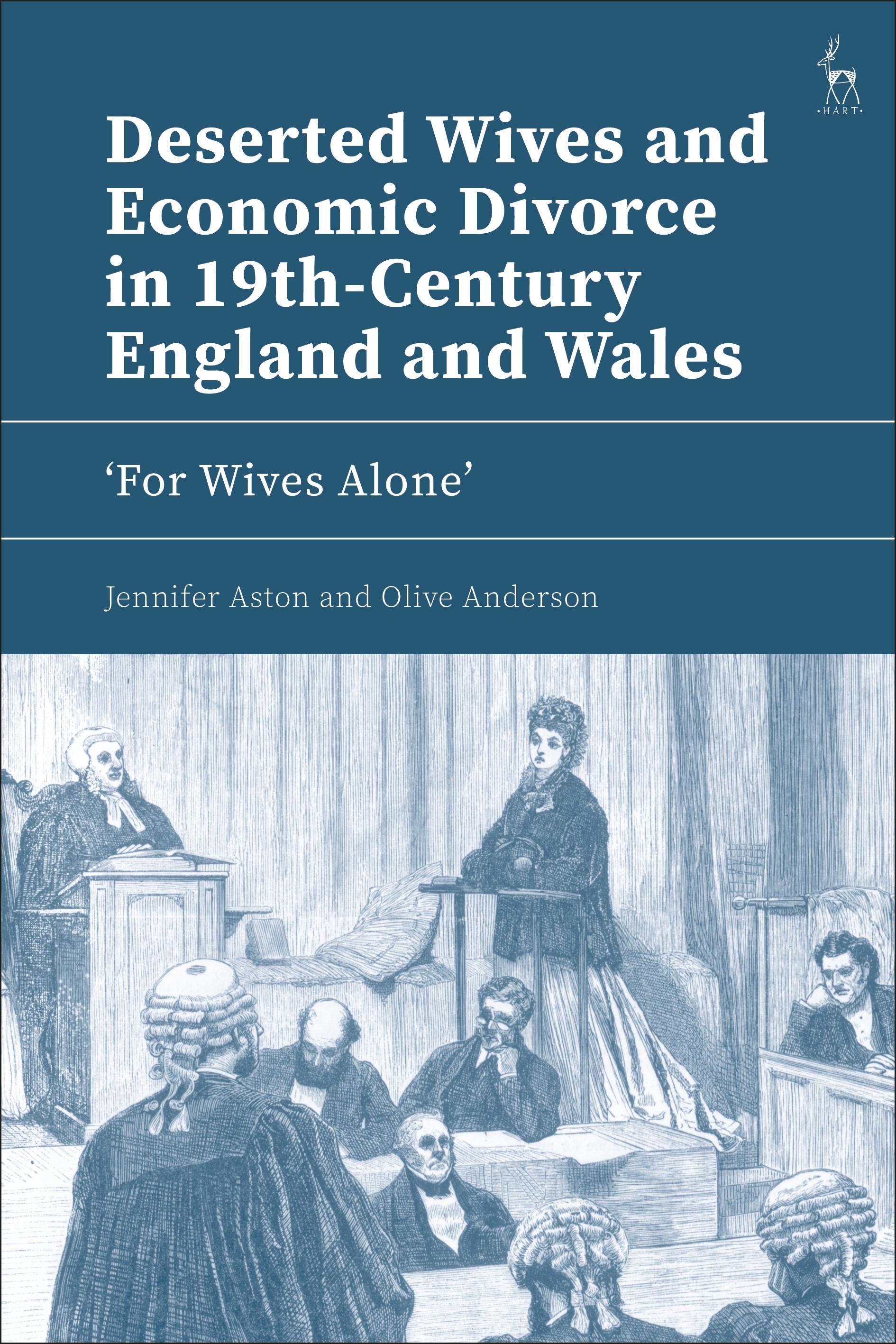
This book considers Section 21 of the Divorce and Matrimonial Causes Act 1857 and its significant impact on previously invisible married women in the 19th century.
Tens of thousands of women used this little-known section of the Act to apply for orders from local magistrates' courts to reclaim their rights of testation, inheritance, property ownership, and (dependent on local franchise qualifications) ability to vote. By examining the orders that were made and considering the women who applied for them, the book challenges the mistaken belief that Victorian England and Wales were nations of married, cohabiting couples.
The detailed statistical analysis and rich case studies presented here provide a totally new perspective on the legal status and experiences of married women in England and Wales. Although many thousands of orders were granted between 1858 and 1900, their details remain unknown and unexamined, primarily because census records did not consistently record dissolved marriages and there is no central index of applications made.
Using sources including court records, parliamentary papers, newspaper reports, census returns, probate records and trade directories, this book reconstructs the successful – and unsuccessful – experiences of women applying to magistrates' courts and the Court for Divorce and Matrimonial Causes to protect their assets across regions and decades.
Tens of thousands of women used this little-known section of the Act to apply for orders from local magistrates' courts to reclaim their rights of testation, inheritance, property ownership, and (dependent on local franchise qualifications) ability to vote. By examining the orders that were made and considering the women who applied for them, the book challenges the mistaken belief that Victorian England and Wales were nations of married, cohabiting couples.
The detailed statistical analysis and rich case studies presented here provide a totally new perspective on the legal status and experiences of married women in England and Wales. Although many thousands of orders were granted between 1858 and 1900, their details remain unknown and unexamined, primarily because census records did not consistently record dissolved marriages and there is no central index of applications made.
Using sources including court records, parliamentary papers, newspaper reports, census returns, probate records and trade directories, this book reconstructs the successful – and unsuccessful – experiences of women applying to magistrates' courts and the Court for Divorce and Matrimonial Causes to protect their assets across regions and decades.
Betal enkelt med kort, Klarna, Apple Pay eller Google Pay. Ikke fornøyd? Du har alltid 14 dagers angrerett. Les mer i våre vilkår. Har du spørsmål, send oss en e-post på hello@memmo.org.
Memmo gjør det enklere å studere – uansett hvor du er i verden. Hos oss samler du pensumbøker og smarte studieverktøy på ett og samme sted: sammendrag, quizer, podkaster og flashcards. Og så Ted, din studiekompis som svarer på alt du lurer på. Over 50 000 studenter studerer allerede her – bygget for at du skal lære raskere og stresse mindre.