
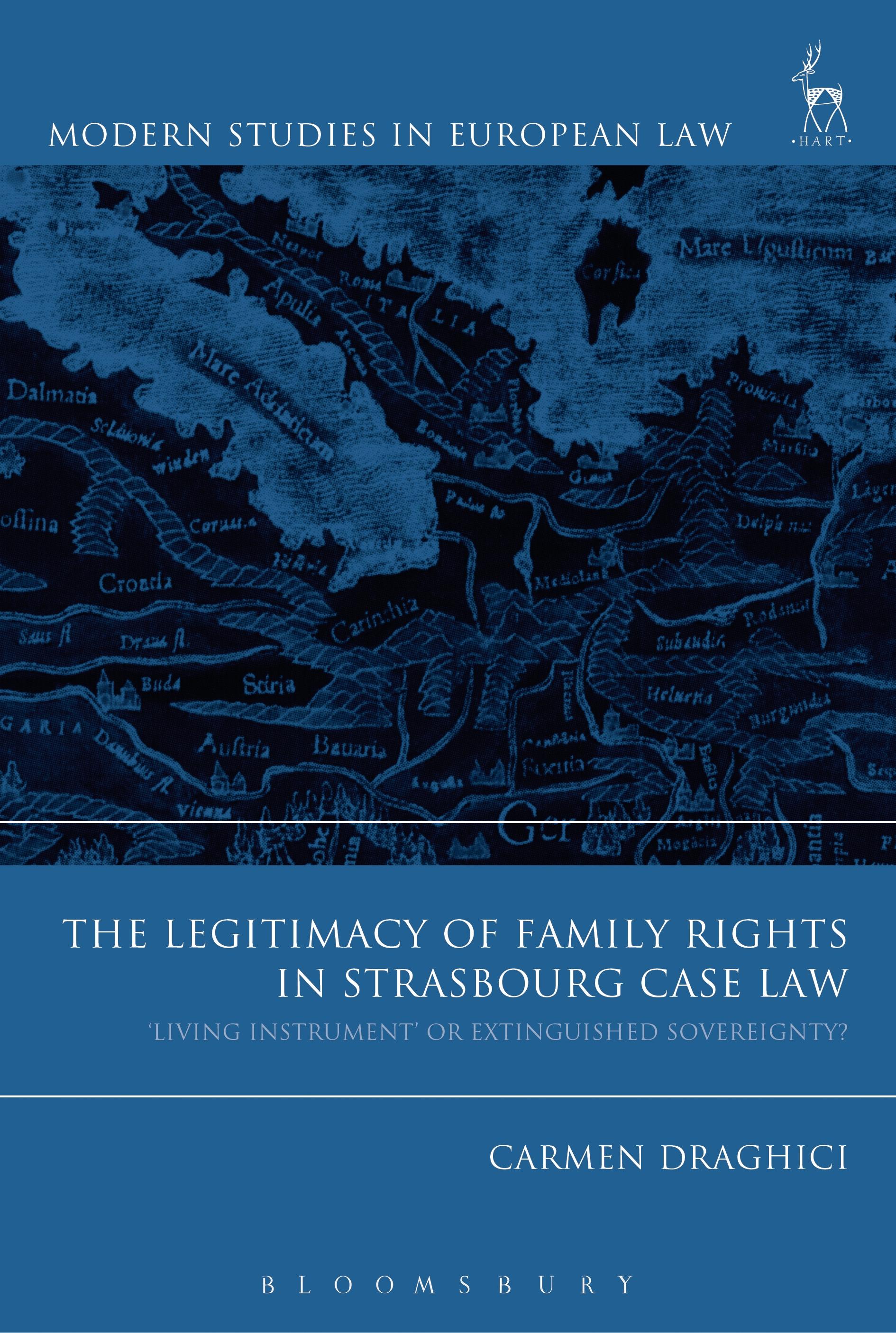
Modern family life exhibits a huge variety of new forms. Legal responses to these new forms illustrate the continuing differences between European nations. Nonetheless, the Strasbourg Court has been increasingly active in this area, which provides fertile ground for testing the legitimacy of the Court's interpretation of the European Convention on Human Rights. When national law refuses to recognize a claimed right, litigants regularly reassert that right before the Strasbourg Court. This has forced it to seek answers to complex domestic controversies, such as the legal recognition for same-sex partners and transgender persons, the ethics of adoption and reproductive rights, the legal regime for cohabitants, or the accommodation of immigrants' aspiration to family reunion.
Placing family rights at the core of the judicial legitimacy debate, this book provides a critical analysis of the standards of family rights protection under the Convention. It evaluates the Court's interpretive methodology and discusses the tensions inherent in its supranational quasi-constitutional function. These include the risk of excessive deference to national authorities, at the expense of the effective enforcement of universal rights; the addition of 'new rights'; and inattention to the division of responsibilities between democratic processes within sovereign States and the subsidiary international review.
Placing family rights at the core of the judicial legitimacy debate, this book provides a critical analysis of the standards of family rights protection under the Convention. It evaluates the Court's interpretive methodology and discusses the tensions inherent in its supranational quasi-constitutional function. These include the risk of excessive deference to national authorities, at the expense of the effective enforcement of universal rights; the addition of 'new rights'; and inattention to the division of responsibilities between democratic processes within sovereign States and the subsidiary international review.
Betal enkelt med kort, Klarna, Apple Pay eller Google Pay. Ikke fornøyd? Du har alltid 14 dagers angrerett. Les mer i våre vilkår. Har du spørsmål, send oss en e-post på hello@memmo.org.
Memmo gjør det enklere å studere – uansett hvor du er i verden. Hos oss samler du pensumbøker og smarte studieverktøy på ett og samme sted: sammendrag, quizer, podkaster og flashcards. Og så Ted, din studiekompis som svarer på alt du lurer på. Over 50 000 studenter studerer allerede her – bygget for at du skal lære raskere og stresse mindre.