
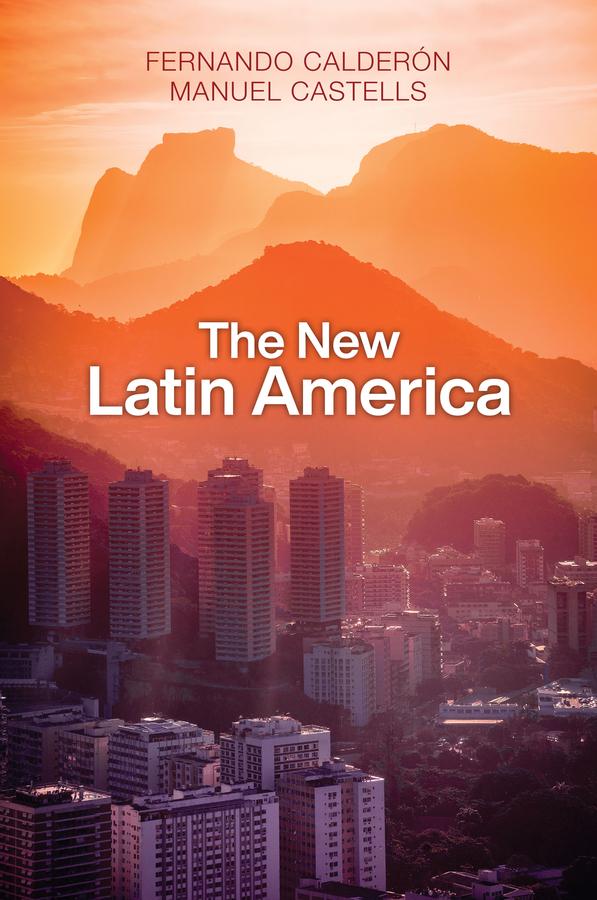
Latin America has experienced a profound transformation in the first two decades of the 21st century: it has been fully incorporated into the global economy, while excluding regions and populations devalued by the logic of capitalism. Technological modernization has gone hand-in-hand with the reshaping of old identities and the emergence of new ones.
The transformation of Latin America has been shaped by social movements and political conflicts. The neoliberal model that dominated the first stage of the transformation induced widespread inequality and poverty, and triggered social explosions that led to its own collapse. A new model, neo-developmentalism, emerged from these crises as national populist movements were elected to government in several countries. The more the state intervened in the economy, the more it became vulnerable to corruption, until the rampant criminal economy came to penetrate state institutions. Upper middle classes defending their privileges and citizens indignant because of corruption of the political elites revolted against the new regimes, undermining the model of neo-developmentalism. In the midst of political disaffection and public despair, new social movements, women, youth, indigenous people, workers, peasants, opened up avenues of hope against the background of darkness invading the continent.
This book, written by two leading scholars of Latin America, provides a comprehensive and up-do-date account of the new Latin America that is in the process of taking shape today. It will be an indispensable text for students and scholars in Latin American Studies, sociology, politics and media and communication studies, and anyone interested in Latin America today.
The transformation of Latin America has been shaped by social movements and political conflicts. The neoliberal model that dominated the first stage of the transformation induced widespread inequality and poverty, and triggered social explosions that led to its own collapse. A new model, neo-developmentalism, emerged from these crises as national populist movements were elected to government in several countries. The more the state intervened in the economy, the more it became vulnerable to corruption, until the rampant criminal economy came to penetrate state institutions. Upper middle classes defending their privileges and citizens indignant because of corruption of the political elites revolted against the new regimes, undermining the model of neo-developmentalism. In the midst of political disaffection and public despair, new social movements, women, youth, indigenous people, workers, peasants, opened up avenues of hope against the background of darkness invading the continent.
This book, written by two leading scholars of Latin America, provides a comprehensive and up-do-date account of the new Latin America that is in the process of taking shape today. It will be an indispensable text for students and scholars in Latin American Studies, sociology, politics and media and communication studies, and anyone interested in Latin America today.
Betal enkelt med kort, Klarna, Apple Pay eller Google Pay. Ikke fornøyd? Du har alltid 14 dagers angrerett. Les mer i våre vilkår. Har du spørsmål, send oss en e-post på hello@memmo.org.
Memmo gjør det enklere å studere – uansett hvor du er i verden. Hos oss samler du pensumbøker og smarte studieverktøy på ett og samme sted: sammendrag, quizer, podkaster og flashcards. Og så Ted, din studiekompis som svarer på alt du lurer på. Over 50 000 studenter studerer allerede her – bygget for at du skal lære raskere og stresse mindre.
Du vil kanskje også like
Kjøp boken0