
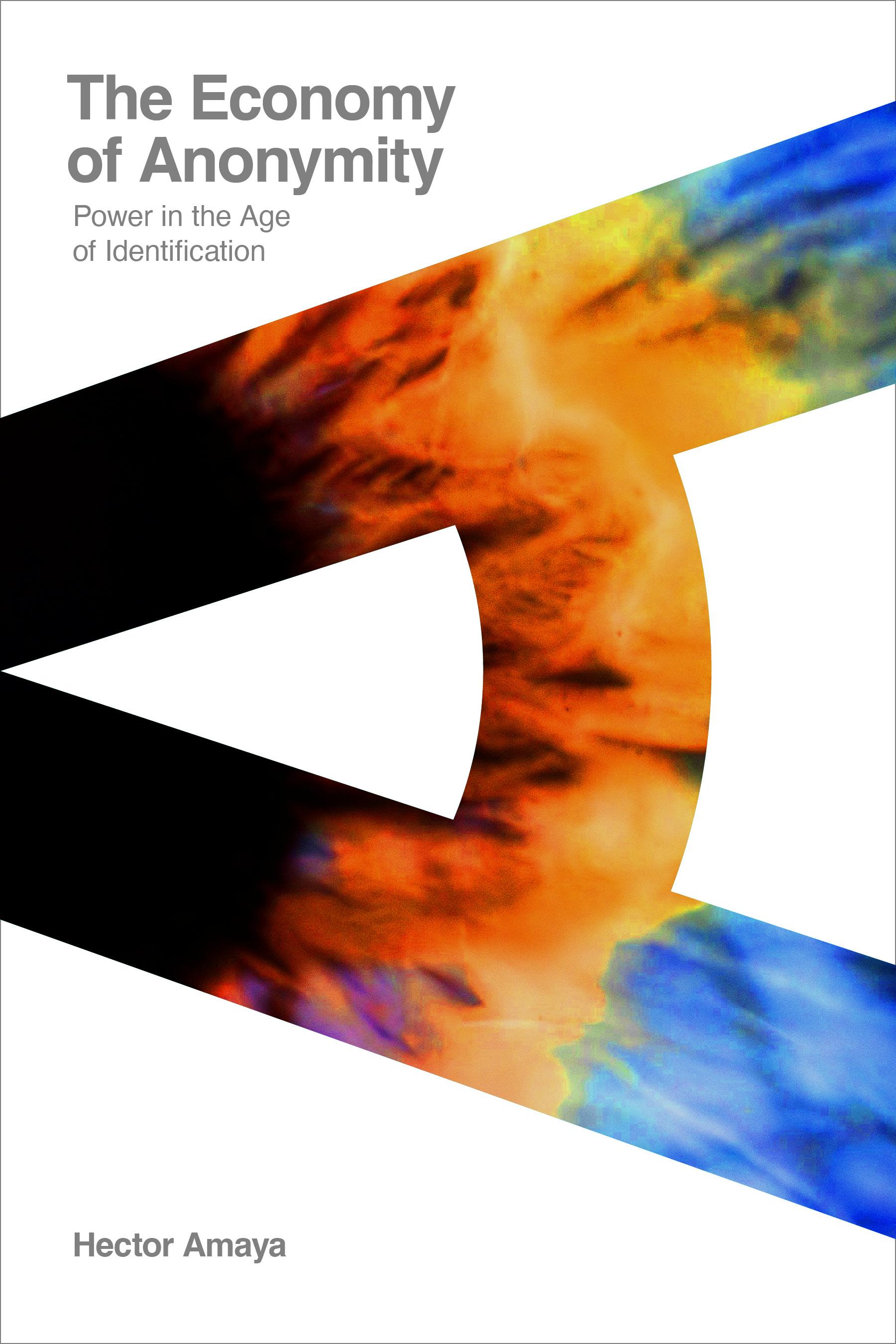
We use avatars to play videogames. We use pseudonyms on social media. We use VPNs to mask our identities and activities. In the digital realm, anonymity is everywhere, a persistent option for those who wish to hide, experiment, and deceive. But we are anonymous in more contexts than the digital. In urban settings, we routinely experience the anonymity of the crowd, and routinely use anonymity to participate in political life and social protests. Anonymity matters. This book is a wager that we can learn much about society, humanity, and power by analyzing the structural tensions and possibilities of anonymity, and by analyzing how the economy of anonymity is changing in a modernity defined by computation.
While many have explored the connections between surveillance, datafication, and privacy, relatively little has been done to theorize anonymity and its critical role in our lives. This book rebalances our intellectual investments by expanding our understandings of anonymity. Putting the work of Gloria Anzaldúa and Bernhard Siegert into conversation, Hector Amaya examines the contours of anonymity in different social domains—in relationship to individuals, institutions, and contexts; to epistemology and ontology; and to history and society. As the book shows, anonymity entails paradoxical possibilities—sometimes anonymity is experienced as freedom and other times as powerlessness, or subjugation.
Betal enkelt med kort, Klarna, Apple Pay eller Google Pay. Ikke fornøyd? Du har alltid 14 dagers angrerett. Les mer i våre vilkår. Har du spørsmål, send oss en e-post på hello@memmo.org.
Memmo gjør det enklere å studere – uansett hvor du er i verden. Hos oss samler du pensumbøker og smarte studieverktøy på ett og samme sted: sammendrag, quizer, podkaster og flashcards. Og så Ted, din studiekompis som svarer på alt du lurer på. Over 50 000 studenter studerer allerede her – bygget for at du skal lære raskere og stresse mindre.