
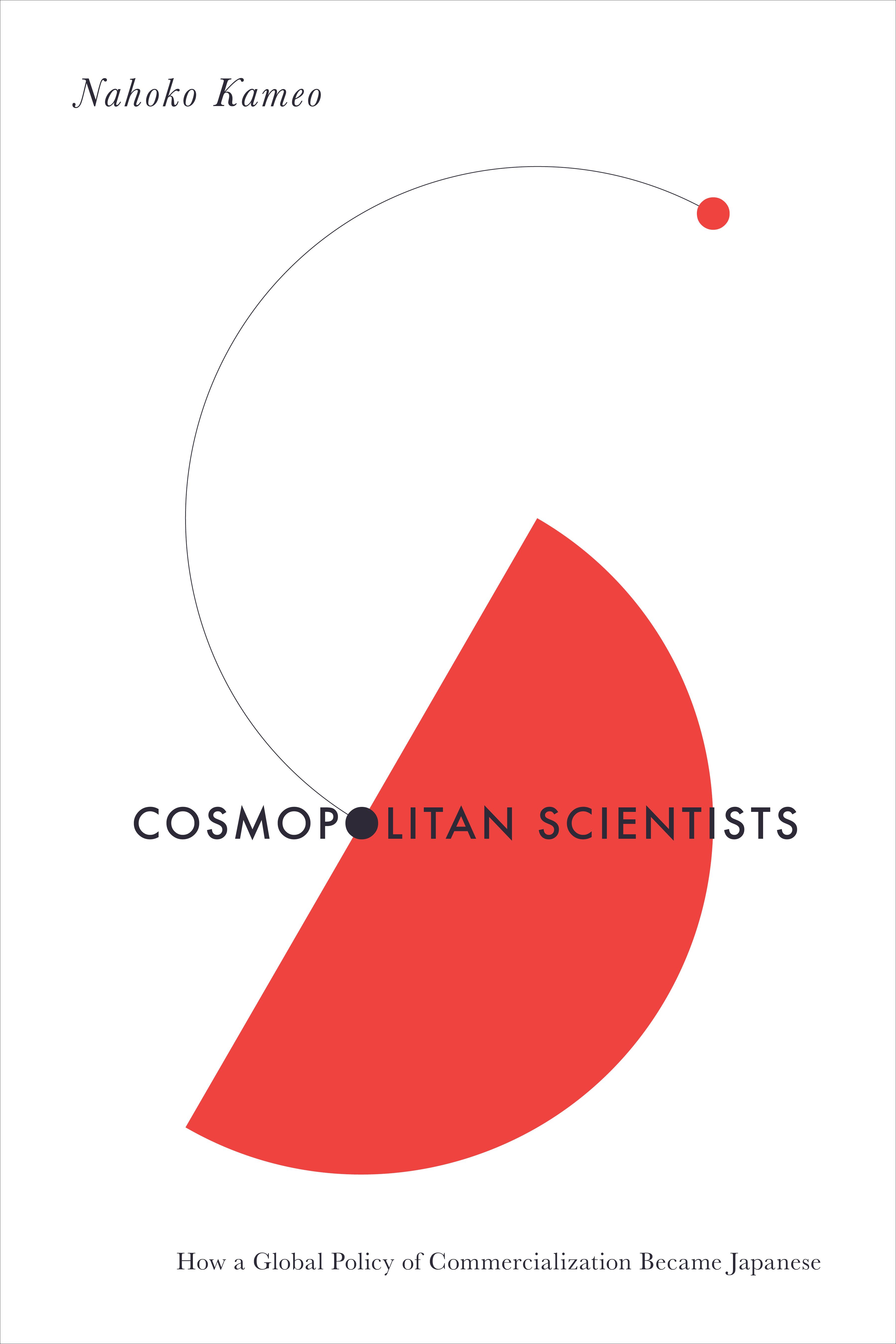
As the university transformed itself into a center of innovation, and biotechnology became a billion-dollar industry, commercialization of university inventions became both lucrative and urgent. In the United States, this shift decisively converted the academic scientist into an entrepreneur. From there, legal structures that facilitated university scientists' patenting and commercialization spread across the world, including to Japan, where earlier modes of doing science made such diffusion more difficult—and more interesting.
Cosmopolitan Scientists delineates what happens when global policies diffuse to different cultural and institutional contexts. Instead of simply accepting or resisting the change, Japanese university scientists creatively enacted the new rules, making unique local variations of the global policy—and thus making it Japanese.
Drawing on vivid accounts from bioscientists who experienced and enacted the shift toward commercialization, the book offers an insider's view into the way scientists navigate the complex and shifting landscape of science, innovation, and economic policy. In so doing it also tells a broader story of how the global rules can be successfully "naturalized"—modified, settled down, and made local.
Betal enkelt med kort, Klarna, Apple Pay eller Google Pay. Ikke fornøyd? Du har alltid 14 dagers angrerett. Les mer i våre vilkår. Har du spørsmål, send oss en e-post på hello@memmo.org.
Memmo gjør det enklere å studere – uansett hvor du er i verden. Hos oss samler du pensumbøker og smarte studieverktøy på ett og samme sted: sammendrag, quizer, podkaster og flashcards. Og så Ted, din studiekompis som svarer på alt du lurer på. Over 50 000 studenter studerer allerede her – bygget for at du skal lære raskere og stresse mindre.