
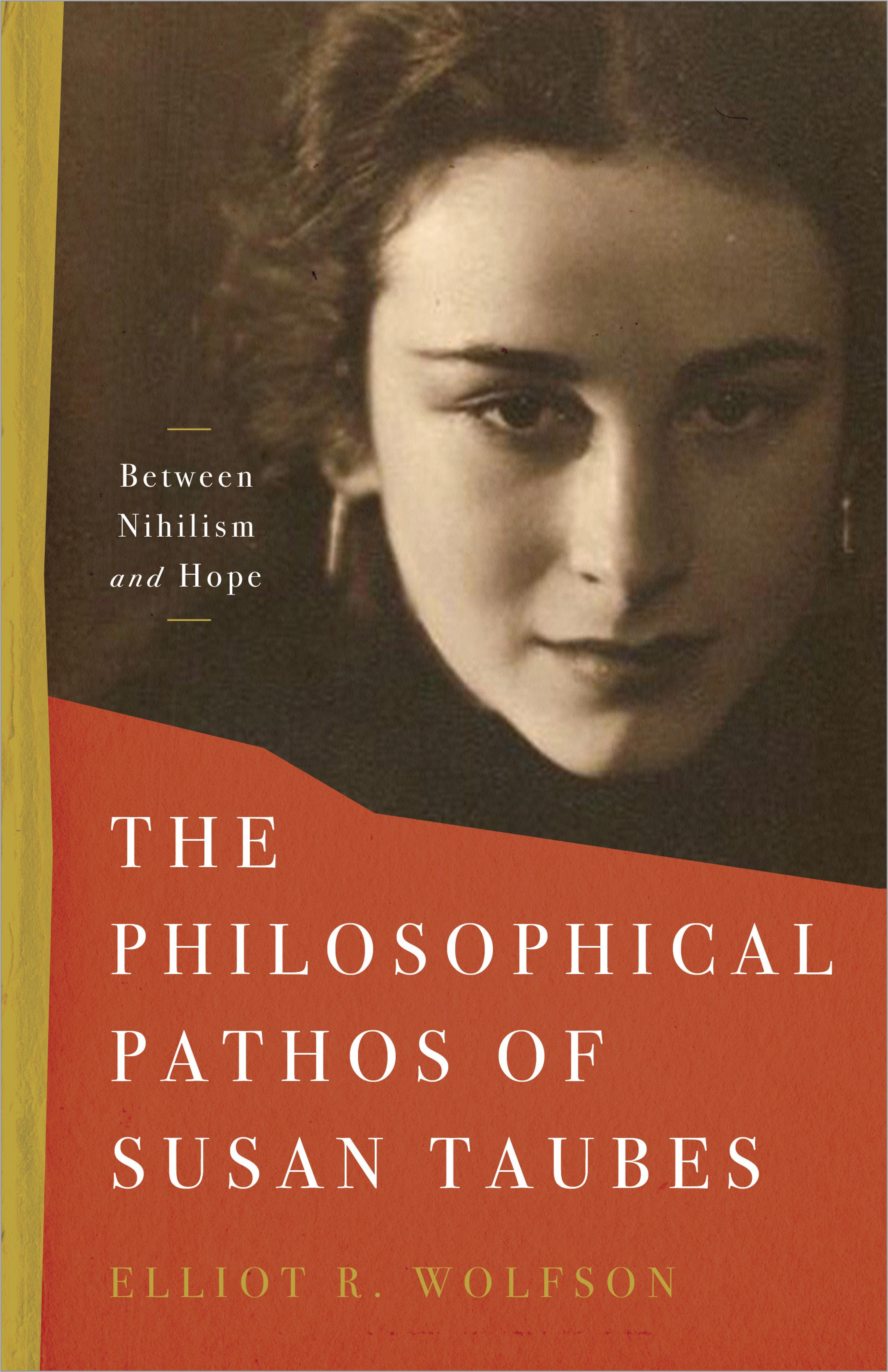
The Philosophical Pathos of Susan Taubes offers a detailed analysis of an extraordinary figure in the twentieth-century history of Jewish thought, Western philosophy, and the study of religion. Drawing on close readings of Susan Taubes's writings, including her correspondence with Jacob Taubes, scholarly essays, literary compositions, and poems, Elliot R. Wolfson plumbs the depths of the tragic sensibility that shaped her worldview, hovering between the poles of nihilism and hope.
By placing Susan Taubes in dialogue with a host of other seminal thinkers, Wolfson illumines how she presciently explored the hypernomian status of Jewish ritual and belief after the Holocaust; the theopolitical challenges of Zionism and the dangers of ethnonationalism; the antitheological theology and gnostic repercussions of Heideggerian thought; the mystical atheism and apophaticism of tragedy in Simone Weil; and the understanding of poetry as the means to face the faceless and to confront the silence of death in the temporal overcoming of time through time. Wolfson delves into the abyss that molded Susan Taubes's mytheological thinking, making a powerful case for the continued relevance of her work to the study of philosophy and religion today.
Betal enkelt med kort, Klarna, Apple Pay eller Google Pay. Ikke fornøyd? Du har alltid 14 dagers angrerett. Les mer i våre vilkår. Har du spørsmål, send oss en e-post på hello@memmo.org.
Memmo gjør det enklere å studere – uansett hvor du er i verden. Hos oss samler du pensumbøker og smarte studieverktøy på ett og samme sted: sammendrag, quizer, podkaster og flashcards. Og så Ted, din studiekompis som svarer på alt du lurer på. Over 50 000 studenter studerer allerede her – bygget for at du skal lære raskere og stresse mindre.