
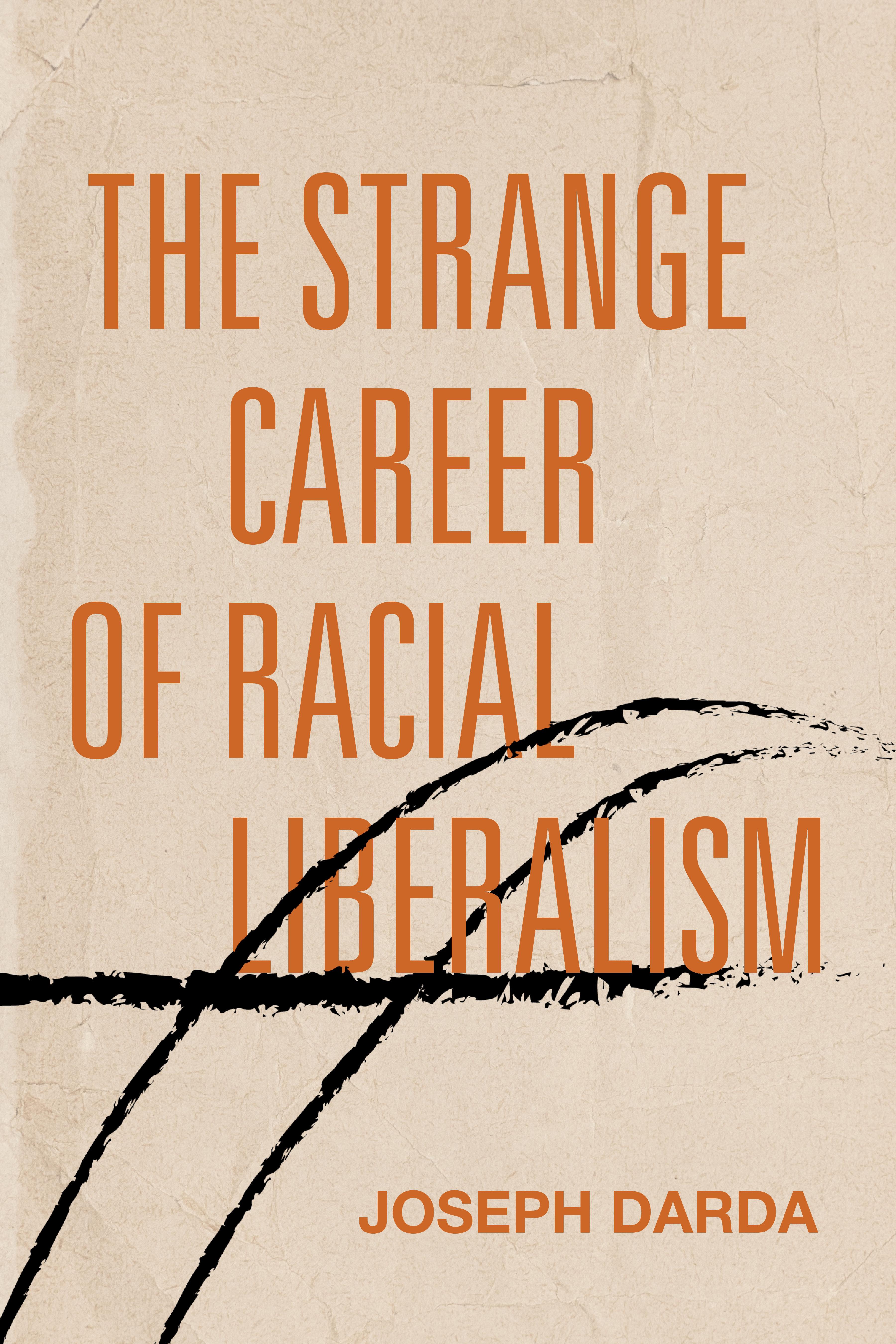
How Americans learned to wait on time for racial change
What if, Joseph Darda asks, our desire to solve racism—with science, civil rights, antiracist literature, integration, and color blindness—has entrenched it further? In The Strange Career of Racial Liberalism, he traces the rise of liberal antiracism, showing how reformers' faith in time, in the moral arc of the universe, has undercut future movements with the insistence that racism constitutes a time-limited crisis to be solved with time-limited remedies.
Most historians attribute the shortcomings of the civil rights era to a conservative backlash or to the fracturing of the liberal establishment in the late 1960s, but the civil rights movement also faced resistance from a liberal "frontlash," from antiredistributive allies who, before it ever took off, constrained what the movement could demand and how it could demand it. Telling the stories of Ruth Benedict, Kenneth Clark, W. E. B. Du Bois, John Howard Griffin, Pauli Murray, Lillian Smith, Richard Wright, and others, Darda reveals how Americans learned to wait on time for racial change and the enduring harm of that trust in the clock.
Betal enkelt med kort, Klarna, Apple Pay eller Google Pay. Ikke fornøyd? Du har alltid 14 dagers angrerett. Les mer i våre vilkår. Har du spørsmål, send oss en e-post på hello@memmo.org.
Memmo gjør det enklere å studere – uansett hvor du er i verden. Hos oss samler du pensumbøker og smarte studieverktøy på ett og samme sted: sammendrag, quizer, podkaster og flashcards. Og så Ted, din studiekompis som svarer på alt du lurer på. Over 50 000 studenter studerer allerede her – bygget for at du skal lære raskere og stresse mindre.