
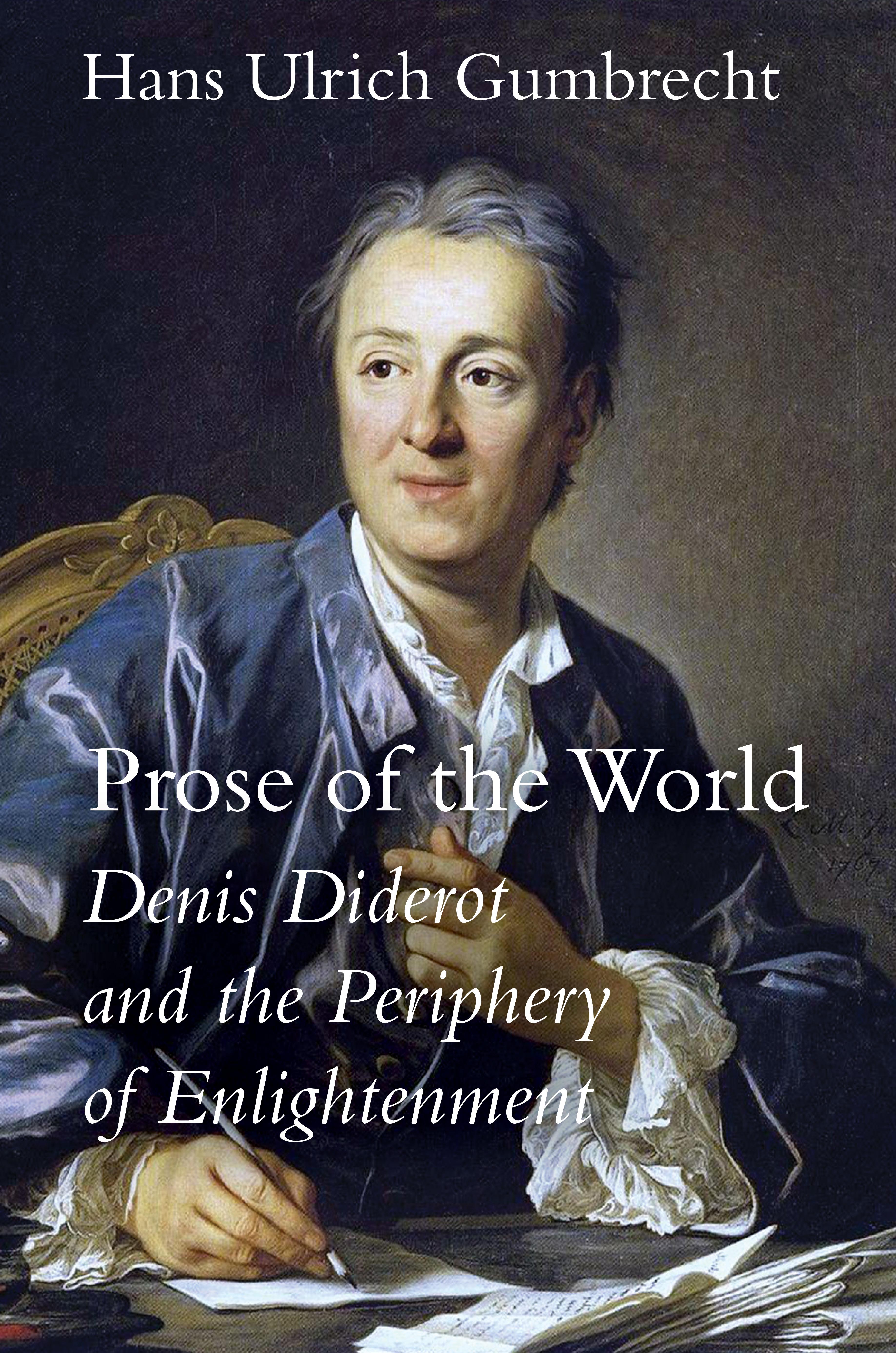
A lively examination of the life and work of one of the great Enlightenment intellectuals
Philosopher, translator, novelist, art critic, and editor of the Encyclopédie, Denis Diderot was one of the liveliest figures of the Enlightenment. But how might we delineate the contours of his diverse oeuvre, which, unlike the works of his contemporaries, Voltaire, Rousseau, Schiller, Kant, or Hume, is clearly characterized by a centrifugal dynamic?
Taking Hegel's fascinated irritation with Diderot's work as a starting point, Hans Ulrich Gumbrecht explores the question of this extraordinary intellectual's place in the legacy of the eighteenth century. While Diderot shared most of the concerns typically attributed to his time, the ways in which he coped with them do not fully correspond to what we consider Enlightenment thought. Conjuring scenes from Diderot's by turns turbulent and quiet life, offering close readings of several key books, and probing the motif of a tension between physical perception and conceptual experience, Gumbrecht demonstrates how Diderot belonged to a vivid intellectual periphery that included protagonists such as Lichtenberg, Goya, and Mozart. With this provocative and elegant work, he elaborates the existential preoccupations of this periphery, revealing the way they speak to us today.
Betal enkelt med kort, Klarna, Apple Pay eller Google Pay. Ikke fornøyd? Du har alltid 14 dagers angrerett. Les mer i våre vilkår. Har du spørsmål, send oss en e-post på hello@memmo.org.
Memmo gjør det enklere å studere – uansett hvor du er i verden. Hos oss samler du pensumbøker og smarte studieverktøy på ett og samme sted: sammendrag, quizer, podkaster og flashcards. Og så Ted, din studiekompis som svarer på alt du lurer på. Over 50 000 studenter studerer allerede her – bygget for at du skal lære raskere og stresse mindre.