
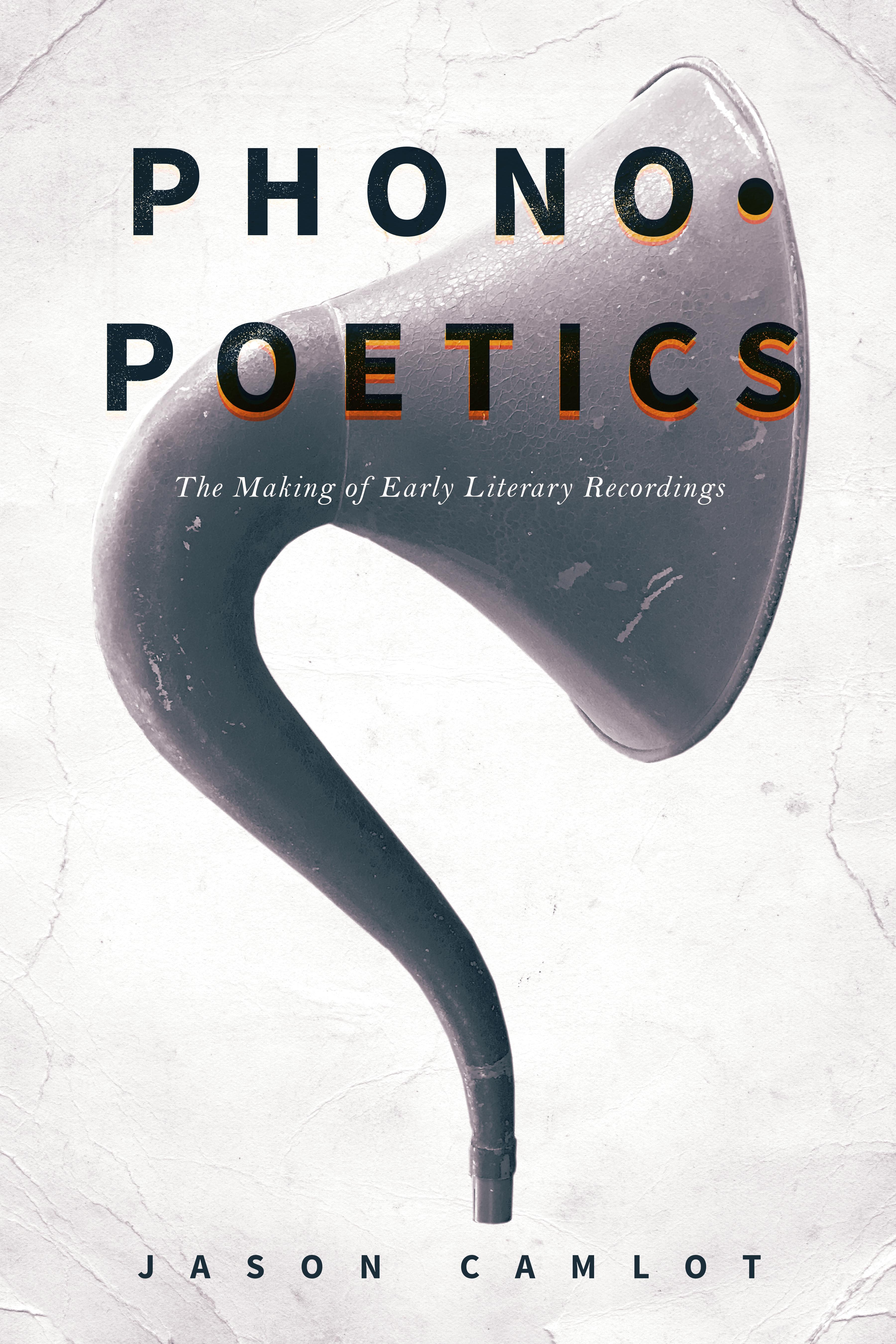
Phonopoetics tells the neglected story of early "talking records" and their significance for literature, from the 1877 invention of the phonograph to some of the first recorded performances of modernist works. The book challenges assumptions of much contemporary criticism by taking the recorded, oral performance as its primary object of analysis and by exploring the historically specific convergences between audio recording technologies, media formats, generic forms, and the institutions and practices surrounding the literary. Opening with an argument that the earliest spoken recordings were a mediated extension of Victorian reading and elocutionary culture, Jason Camlot explains the literary significance of these pre-tape era voice artifacts by analyzing early promotional fantasies about the phonograph as a new kind of speaker and detailing initiatives to deploy it as a pedagogical tool to heighten literary experience. Through historically-grounded interpretations of Dickens impersonators to recitations of Tennyson to T.S. Eliot's experimental readings of "The Waste Land" and of a great variety of voices and media in between, this first critical history of the earliest literary sound recordings offers an unusual perspective on the transition from the Victorian to modern periods and sheds new light on our own digitally mediated relationship to the past.
Betal enkelt med kort, Klarna, Apple Pay eller Google Pay. Ikke fornøyd? Du har alltid 14 dagers angrerett. Les mer i våre vilkår. Har du spørsmål, send oss en e-post på hello@memmo.org.
Memmo gjør det enklere å studere – uansett hvor du er i verden. Hos oss samler du pensumbøker og smarte studieverktøy på ett og samme sted: sammendrag, quizer, podkaster og flashcards. Og så Ted, din studiekompis som svarer på alt du lurer på. Over 50 000 studenter studerer allerede her – bygget for at du skal lære raskere og stresse mindre.