
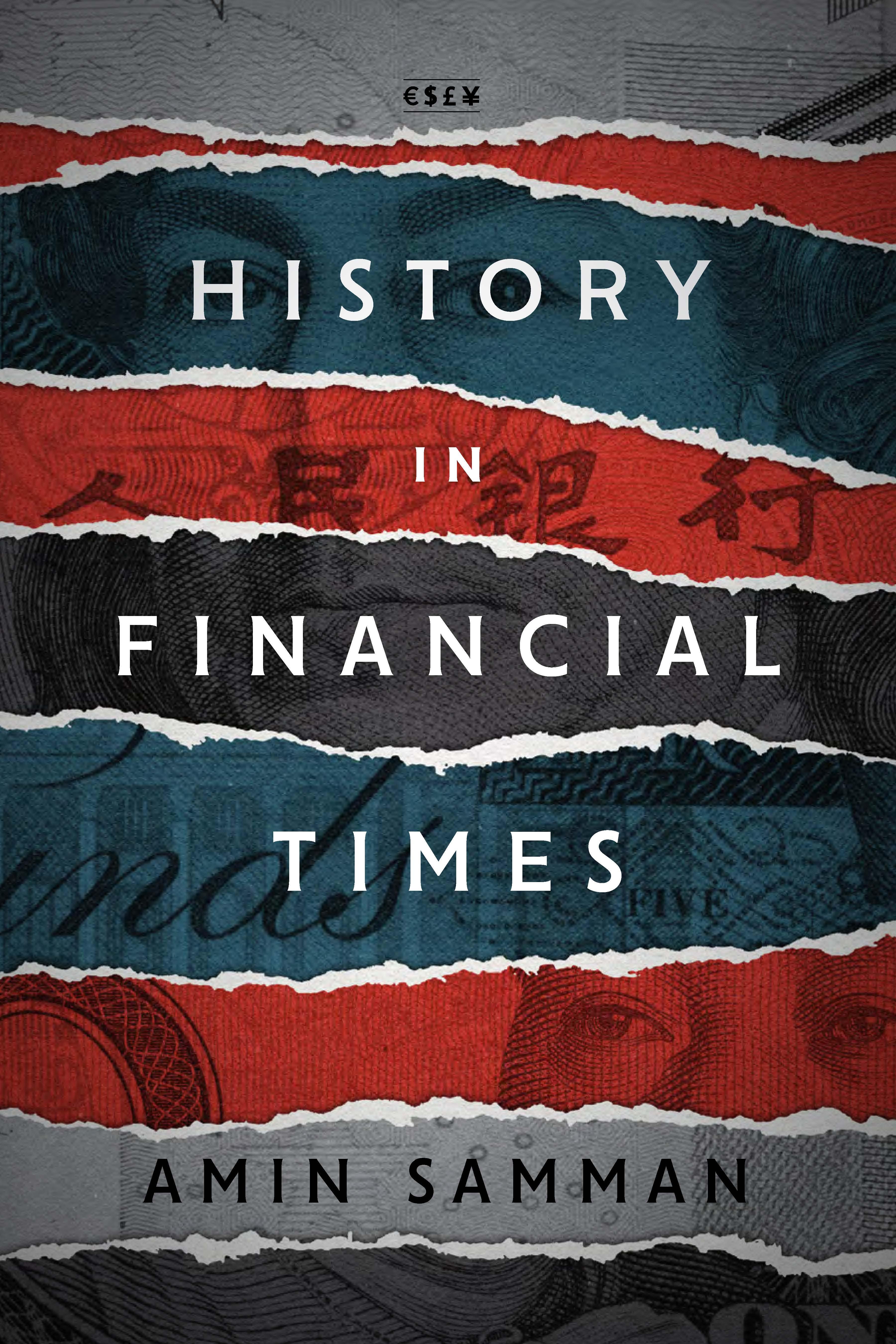
Critical theorists of economy tend to understand the history of market society as a succession of distinct stages. This vision of history rests on a chronological conception of time whereby each present slips into the past so that a future might take its place. This book argues that the linear mode of thinking misses something crucial about the dynamics of contemporary capitalism. Rather than each present leaving a set past behind it, the past continually circulates through and shapes the present, such that historical change emerges through a shifting panorama of historical associations, names, and dates. The result is a strange feedback loop between now and then, real and imaginary. Demonstrating how this idea can give us a better purchase on financial capitalism in the post-crisis era, History in Financial Times traces the diverse modes of history production at work in the spheres of financial journalism, policymaking, and popular culture. Paying particular attention to narrative and to notions of crisis, recurrence, and revelation, Amin Samman gives us a novel take on the relation between historical thinking and critique.
Betal enkelt med kort, Klarna, Apple Pay eller Google Pay. Ikke fornøyd? Du har alltid 14 dagers angrerett. Les mer i våre vilkår. Har du spørsmål, send oss en e-post på hello@memmo.org.
Memmo gjør det enklere å studere – uansett hvor du er i verden. Hos oss samler du pensumbøker og smarte studieverktøy på ett og samme sted: sammendrag, quizer, podkaster og flashcards. Og så Ted, din studiekompis som svarer på alt du lurer på. Over 50 000 studenter studerer allerede her – bygget for at du skal lære raskere og stresse mindre.