
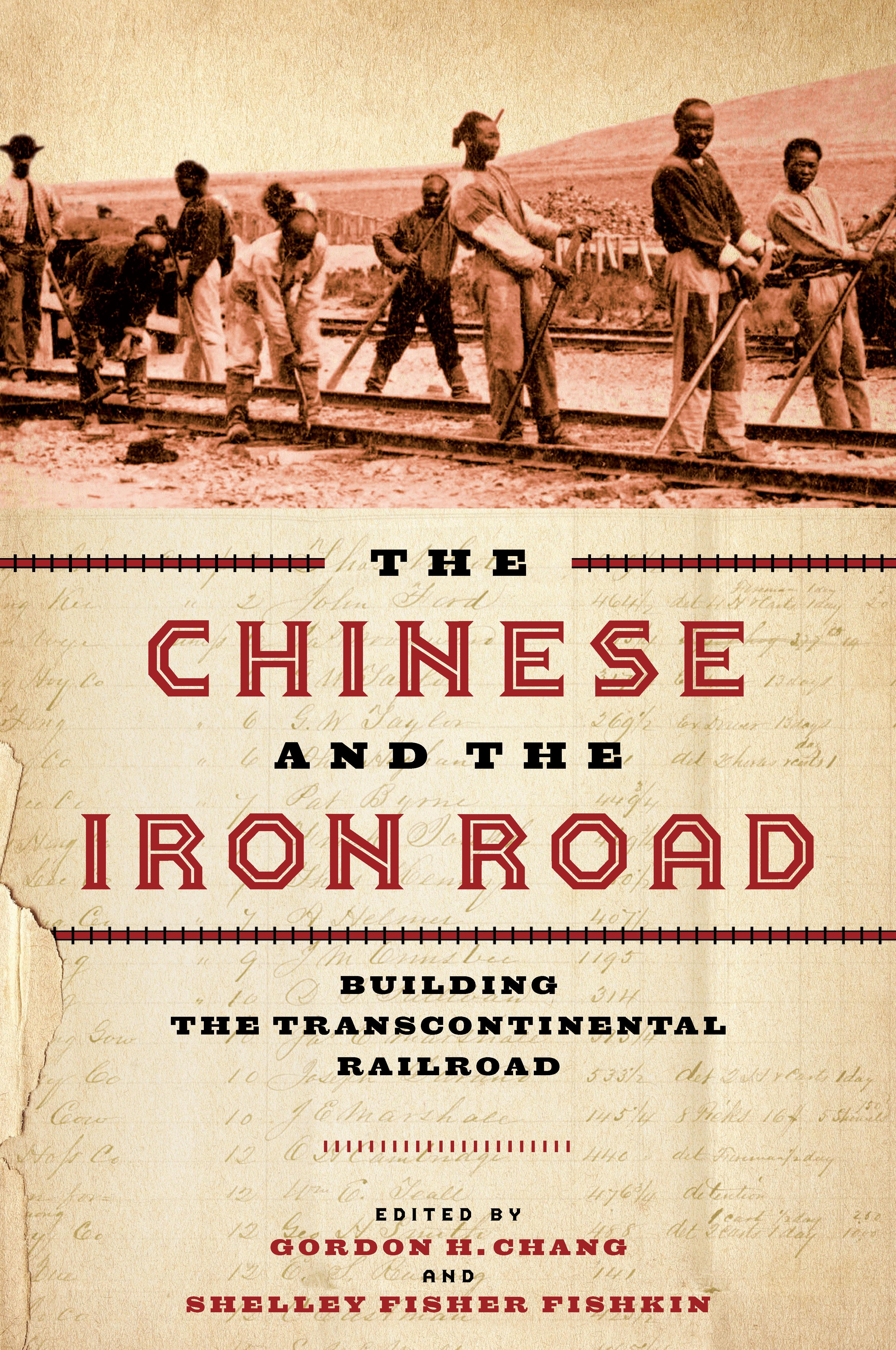
The completion of the transcontinental railroad in May 1869 is usually told as a story of national triumph and a key moment for American Manifest Destiny. The Railroad made it possible to cross the country in a matter of days instead of months, paved the way for new settlers to come out west, and helped speed America's entry onto the world stage as a modern nation that spanned a full continent. It also created vast wealth for its four owners, including the fortune with which Leland Stanford would found Stanford University some two decades later. But while the Transcontinental has often been celebrated in national memory, little attention has been paid to the Chinese workers who made up 90 percent of the workforce on the Western portion of the line. The Railroad could not have been built without Chinese labor, but the lives of Chinese railroad workers themselves have been little understood and largely invisible.
This landmark volume explores the experiences of Chinese railroad workers and their place in cultural memory. The Chinese and the Iron Road illuminates more fully than ever before the interconnected economies of China and the US, how immigration across the Pacific changed both nations, the dynamics of the racism the workers encountered, the conditions under which they labored, and their role in shaping both the history of the railroad and the development of the American West.
Betal enkelt med kort, Klarna, Apple Pay eller Google Pay. Ikke fornøyd? Du har alltid 14 dagers angrerett. Les mer i våre vilkår. Har du spørsmål, send oss en e-post på hello@memmo.org.
Memmo gjør det enklere å studere – uansett hvor du er i verden. Hos oss samler du pensumbøker og smarte studieverktøy på ett og samme sted: sammendrag, quizer, podkaster og flashcards. Og så Ted, din studiekompis som svarer på alt du lurer på. Over 50 000 studenter studerer allerede her – bygget for at du skal lære raskere og stresse mindre.