
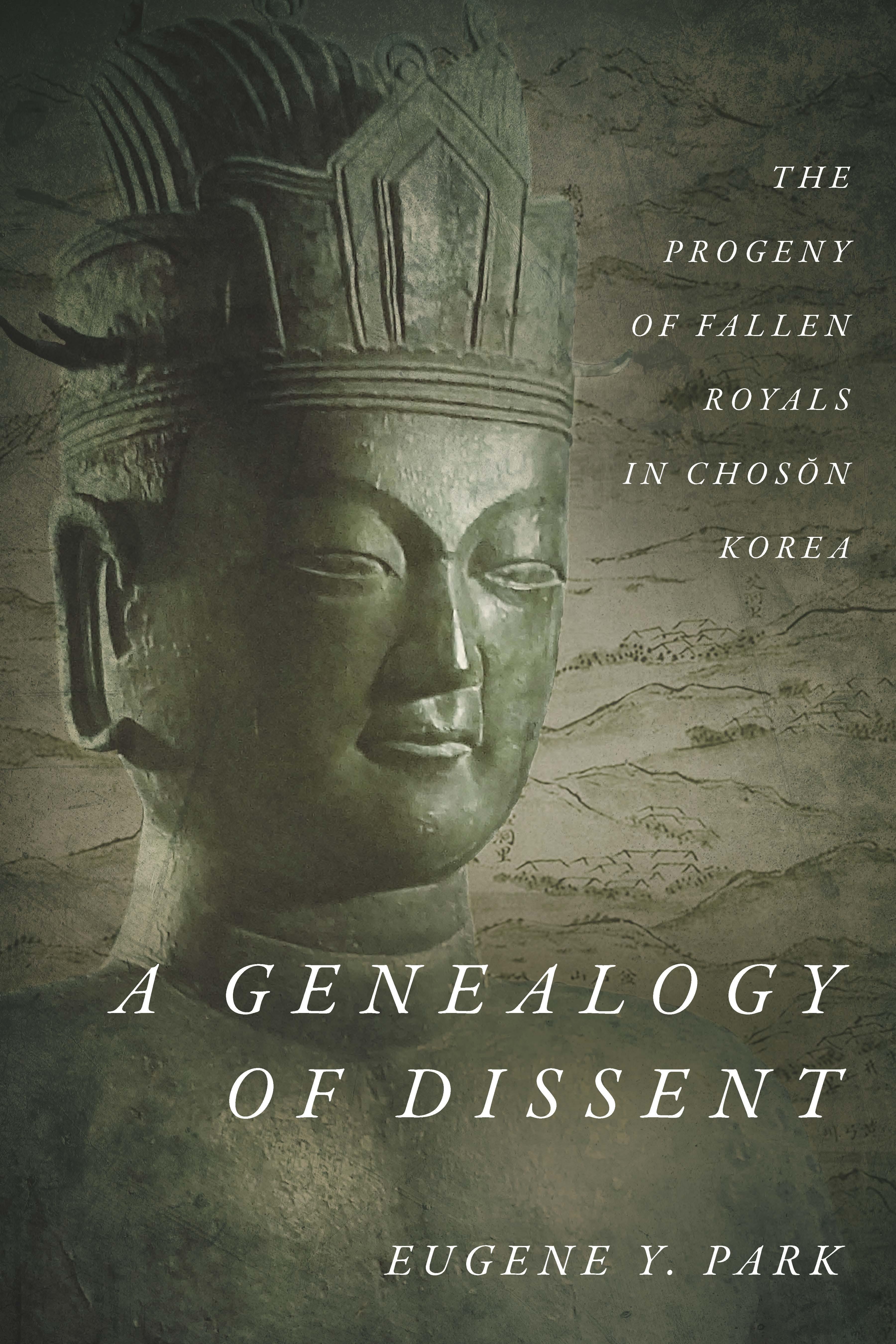
In early modern Korea, the Chosŏn state conducted an extermination campaign against the Kaesŏng Wang, descendants of the preceding Koryŏ dynasty. It was so thorough that most of today's descendants are related to a single survivor. Before long, however, the Chosŏn dynasty sought to bolster its legitimacy as the successor of Koryŏ by rehabilitating the surviving Wangs—granting them patronage for performing ancestral rites and even allowing them to attain prestigious offices. As a result, Koryŏ descendants came to constitute elite lineages throughout Korea. As members of the revived aristocratic descent group, they were committed to Confucian norms of loyalty to their ruler. The Chosŏn, in turn, increasingly honored Koryŏ legacies. As the state began to tolerate critical historical narratives, the early plight of the Wangs inspired popular accounts that engendered sympathy. Modern forces of imperialism, colonialism, nationalism, urbanization, industrialization, and immigration transformed the Kaesŏng Wang from the progeny of fallen royals to individuals from all walks of life. Eugene Y. Park draws on primary and secondary sources, interviews, and site visits to tell their extraordinary story. In so doing, he traces Korea's changing politics, society, and culture for more than half a millennium.
Betal enkelt med kort, Klarna, Apple Pay eller Google Pay. Ikke fornøyd? Du har alltid 14 dagers angrerett. Les mer i våre vilkår. Har du spørsmål, send oss en e-post på hello@memmo.org.
Memmo gjør det enklere å studere – uansett hvor du er i verden. Hos oss samler du pensumbøker og smarte studieverktøy på ett og samme sted: sammendrag, quizer, podkaster og flashcards. Og så Ted, din studiekompis som svarer på alt du lurer på. Over 50 000 studenter studerer allerede her – bygget for at du skal lære raskere og stresse mindre.