
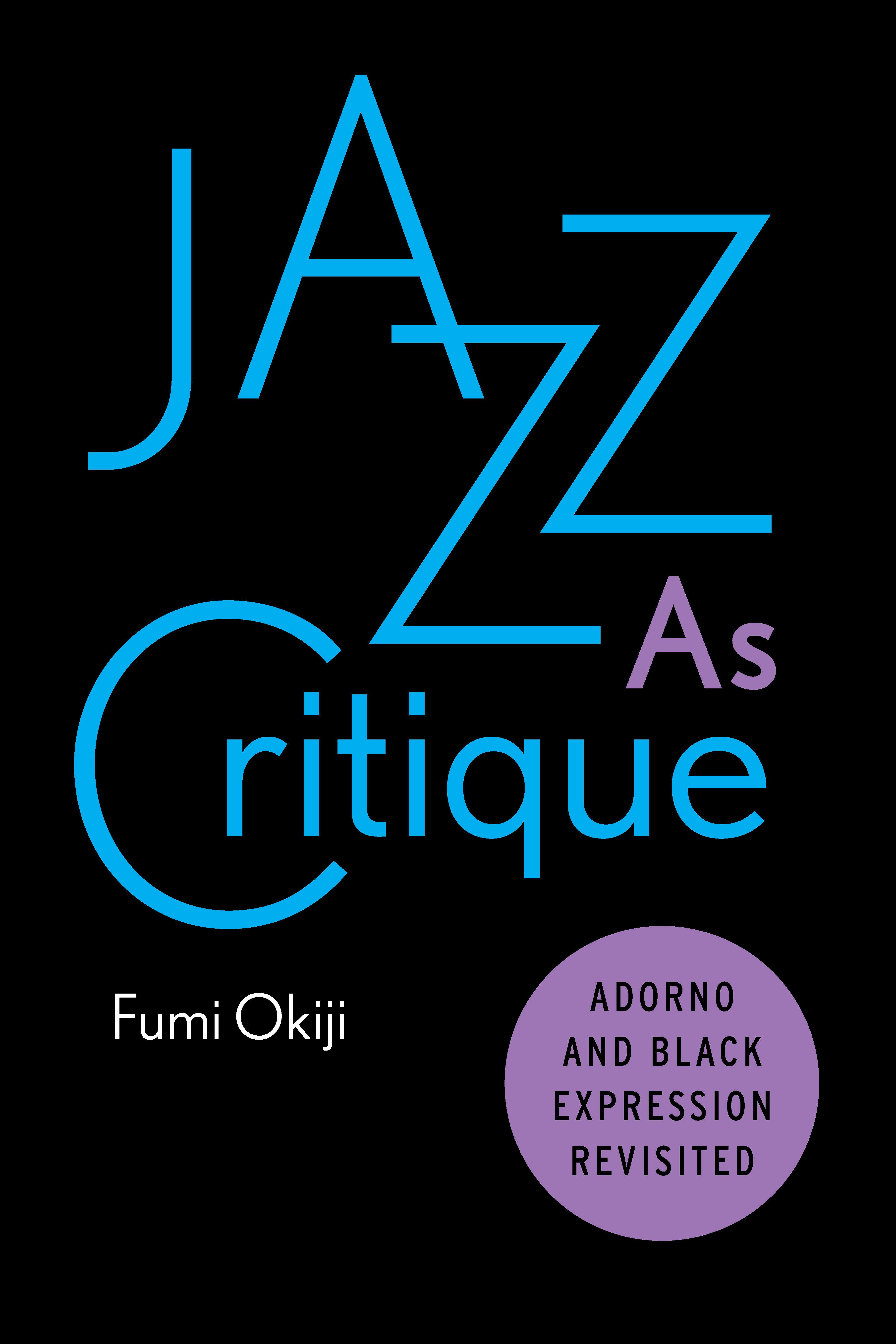
A sustained engagement with Theodor Adorno, Jazz As Critique looks to jazz for ways of understanding the inadequacies of contemporary life. Adorno's writings on jazz are notoriously dismissive. Nevertheless, Adorno does have faith in the critical potential of some musical traditions. Music, he suggests, can provide insight into the controlling, destructive nature of modern society while offering a glimpse of more empathetic and less violent ways of being together in the world. Taking Adorno down a path he did not go, this book calls attention to an alternative sociality made manifest in jazz. In response to writing that tends to portray it as a mirror of American individualism and democracy, Fumi Okiji makes the case for jazz as a model of "gathering in difference."Noting that this mode of subjectivity emerged in response to the distinctive history of black America, she reveals that the music cannot but call the integrity of the world into question.
Betal enkelt med kort, Klarna, Apple Pay eller Google Pay. Ikke fornøyd? Du har alltid 14 dagers angrerett. Les mer i våre vilkår. Har du spørsmål, send oss en e-post på hello@memmo.org.
Memmo gjør det enklere å studere – uansett hvor du er i verden. Hos oss samler du pensumbøker og smarte studieverktøy på ett og samme sted: sammendrag, quizer, podkaster og flashcards. Og så Ted, din studiekompis som svarer på alt du lurer på. Over 50 000 studenter studerer allerede her – bygget for at du skal lære raskere og stresse mindre.