
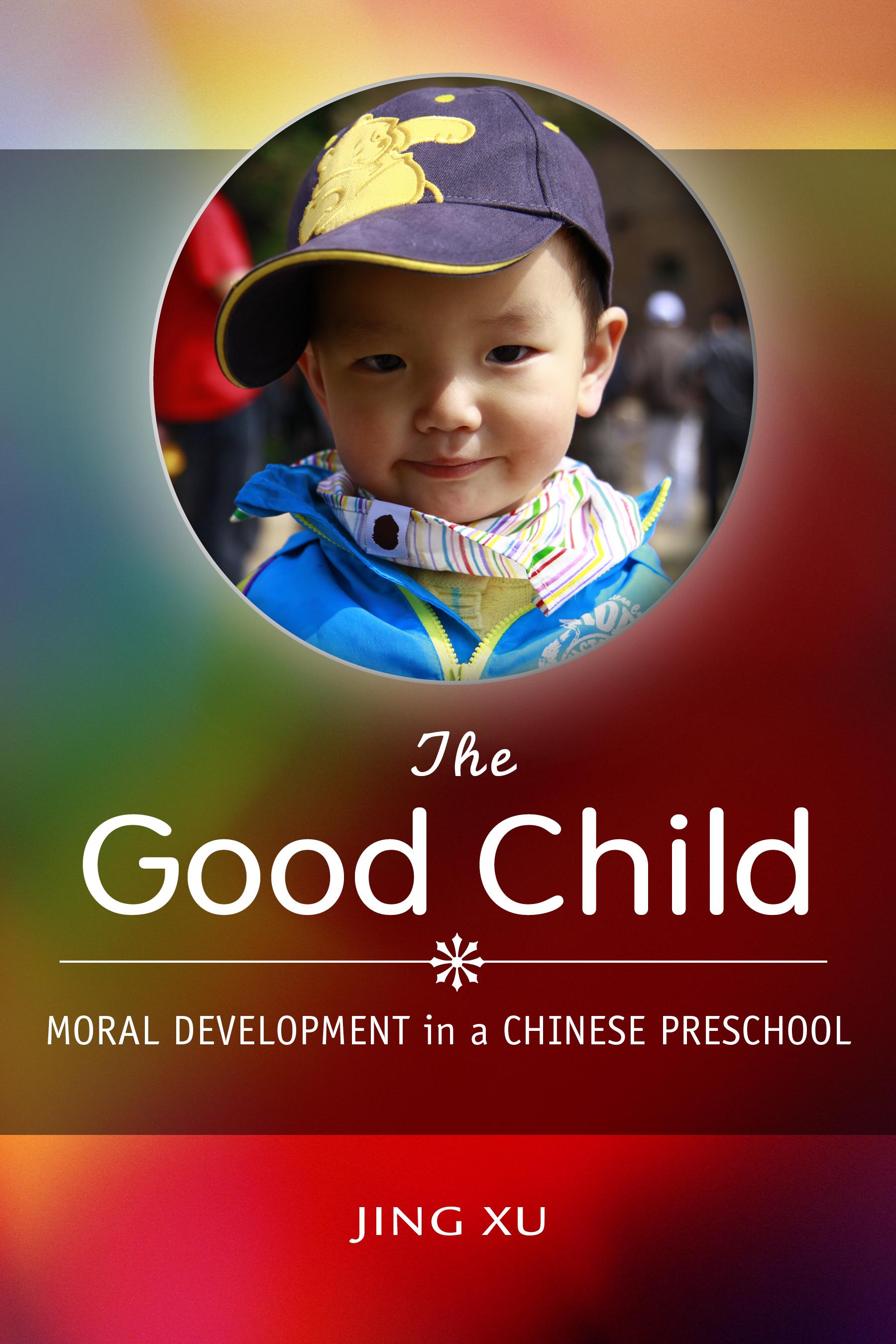
Chinese academic traditions take zuo ren—self-fulfillment in terms of moral cultivation—as the ultimate goal of education. To many in contemporary China, however, the nation seems gripped by moral decay, the result of rapid and profound social change over the course of the twentieth century. Placing Chinese children, alternately seen as China's greatest hope and derided as self-centered "little emperors," at the center of her analysis, Jing Xu investigates the effects of these transformations on the moral development of the nation's youngest generation.
The Good Child examines preschool-aged children in Shanghai, tracing how Chinese socialization beliefs and methods influence their construction of a moral world. Delving into the growing pains of an increasingly competitive and changing educational environment, Xu documents the confusion, struggles, and anxieties of today's parents, educators, and grandparents, as well as the striking creativity of their children in shaping their own moral practices. Her innovative blend of anthropology and psychology reveals the interplay of their dialogues and debates, illuminating how young children's nascent moral dispositions are selected, expressed or repressed, and modulated in daily experiences.
Betal enkelt med kort, Klarna, Apple Pay eller Google Pay. Ikke fornøyd? Du har alltid 14 dagers angrerett. Les mer i våre vilkår. Har du spørsmål, send oss en e-post på hello@memmo.org.
Memmo gjør det enklere å studere – uansett hvor du er i verden. Hos oss samler du pensumbøker og smarte studieverktøy på ett og samme sted: sammendrag, quizer, podkaster og flashcards. Og så Ted, din studiekompis som svarer på alt du lurer på. Over 50 000 studenter studerer allerede her – bygget for at du skal lære raskere og stresse mindre.