
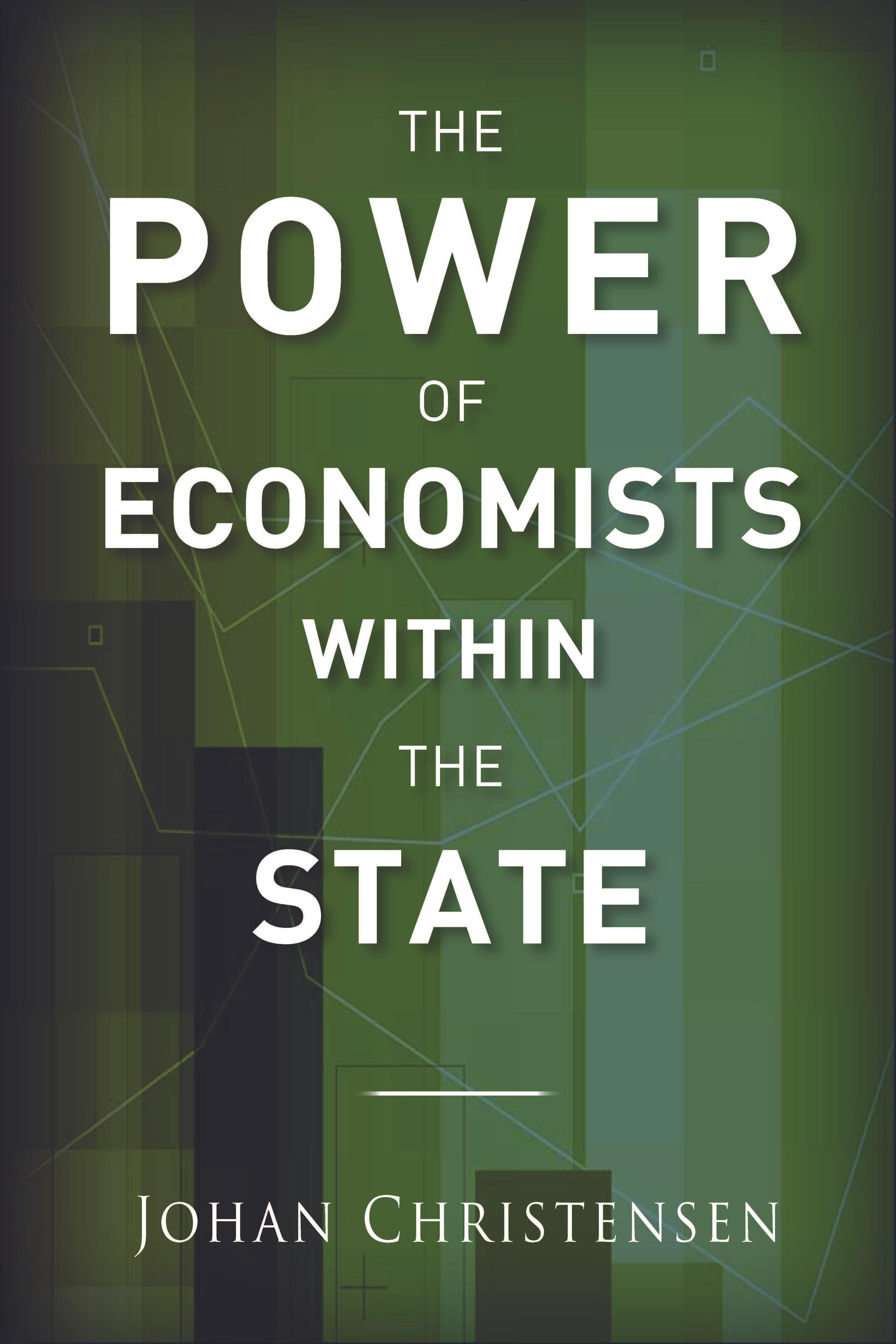
The spread of market-oriented reforms has been one of the major political and economic trends of the late twentieth and early twenty-first centuries. Governments have, to varying degrees, adopted policies that have led to deregulation: the liberalization of trade; the privatization of state entities; and low-rate, broad-base taxes. Yet some countries embraced these policies more than others.
Johan Christensen examines one major contributor to this disparity: the entrenchment of U.S.-trained, neoclassical economists in political institutions the world over. While previous studies have highlighted the role of political parties and production regimes, Christensen uses comparative case studies of New Zealand, Ireland, Norway, and Denmark to show how the influence of economists affected the extent to which each nation adopted market-oriented tax policies. He finds that, in countries where economic experts held powerful positions, neoclassical economics broke through with greater force. Drawing on revealing interviews with 80 policy elites, he examines the specific ways in which economists shaped reforms, relying on an activist approach to policymaking and the perceived utility of their science to drive change.
Betal enkelt med kort, Klarna, Apple Pay eller Google Pay. Ikke fornøyd? Du har alltid 14 dagers angrerett. Les mer i våre vilkår. Har du spørsmål, send oss en e-post på hello@memmo.org.
Memmo gjør det enklere å studere – uansett hvor du er i verden. Hos oss samler du pensumbøker og smarte studieverktøy på ett og samme sted: sammendrag, quizer, podkaster og flashcards. Og så Ted, din studiekompis som svarer på alt du lurer på. Over 50 000 studenter studerer allerede her – bygget for at du skal lære raskere og stresse mindre.