
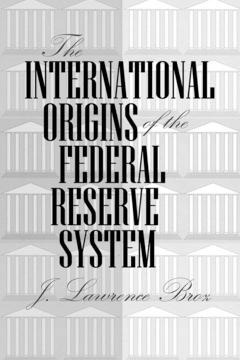
The Federal Reserve Act of 1913 created the infrastructure for the modern American payments system. Probing the origins of this benchmark legislation, J. Lawrence Broz finds that international factors were crucial to its conception and passage. Until its passage, the United States had suffered under one of the most inefficient payment systems in the world. Serious banking panics erupted frequently, and nominal interest rates fluctuated wildly. Structural and regulatory flaws contributed not only to financial instability at home but also to the virtual absence of the dollar in world trade and payments.
Key institutional features of the Federal Reserve Act addressed both these shortcomings but it was the goal of internationalizing usage of the dollar that motivated social actors to pressure Congress for the improvements. With New York bankers in the forefront, an international coalition lobbied for a system that would reduce internal problems such as recurring panics, and simultaneously allow New York to challenge London's preeminence as the global banking center and encourage bankers to make the dollar a worldwide currency of record. To those who organized the political effort to pass the Act, Broz contends, the creation of the Federal Reserve System was first and foremost a response to international opportunities.
Betal enkelt med kort, Klarna, Apple Pay eller Google Pay. Ikke fornøyd? Du har alltid 14 dagers angrerett. Les mer i våre vilkår. Har du spørsmål, send oss en e-post på hello@memmo.org.
Memmo gjør det enklere å studere – uansett hvor du er i verden. Hos oss samler du pensumbøker og smarte studieverktøy på ett og samme sted: sammendrag, quizer, podkaster og flashcards. Og så Ted, din studiekompis som svarer på alt du lurer på. Over 50 000 studenter studerer allerede her – bygget for at du skal lære raskere og stresse mindre.