
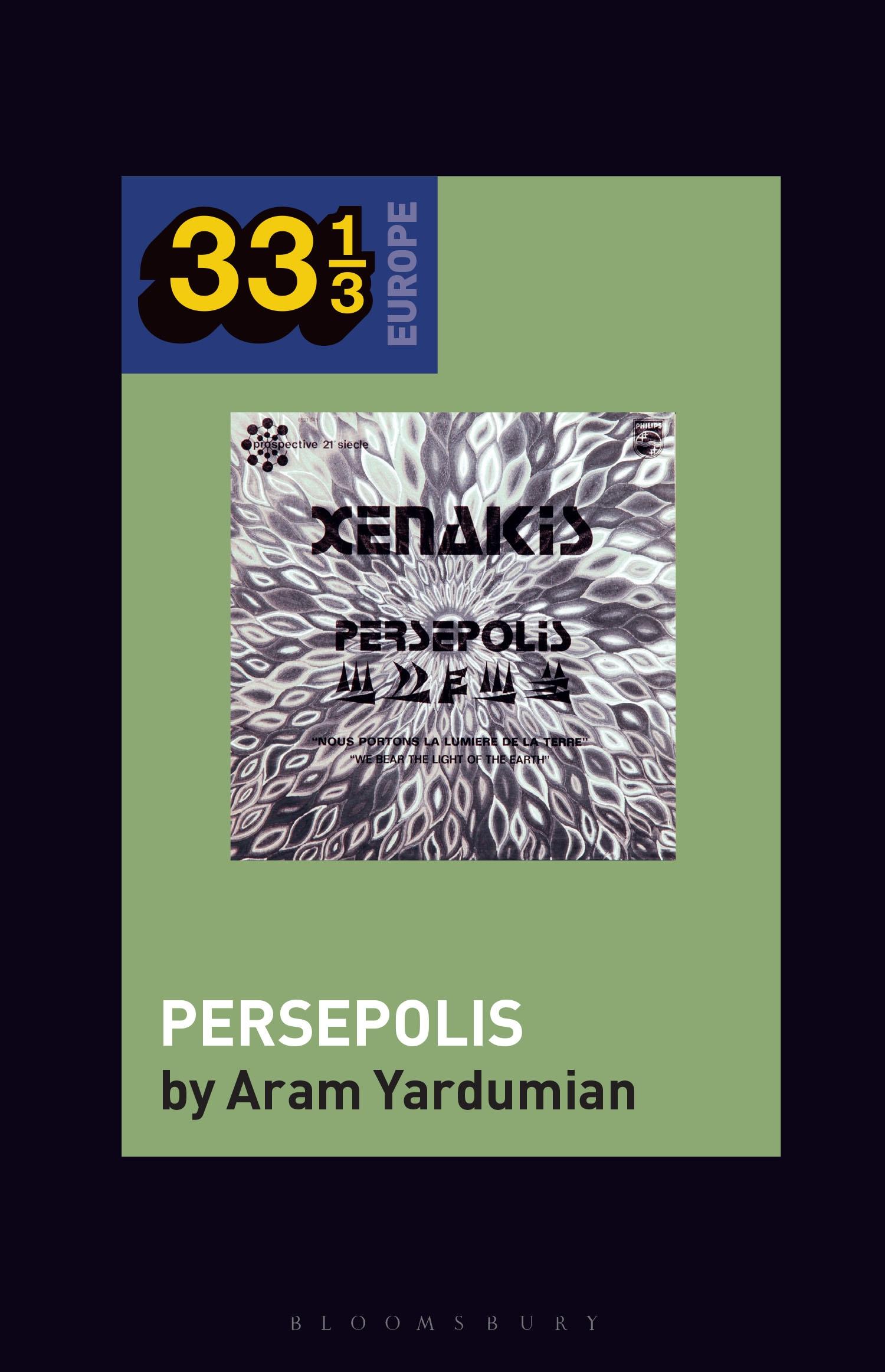
Iannis Xenakis' Persepolis stood as witness to one of the most important events in modern human history, the Iranian Revolution in 1979. Its existence is owed to an invitation to participate in the 1971 Shiraz Arts Festival, which was overseen by Empress Farah Pahlavi. Like the Festival, and the extravagant celebratory party held the same year, Xenakis' symbolic paean to Persian history was polarizing. Many loved it, others detested it. Overwhelming but also subtle and precise in its non-harmonic shifts in texture and density, listeners and critics simply did not know what to make of it. This book tells the story of Xenakis' early history and involvement in the Resistance against the Axis occupation of Greece during the Second World War, escape and re-settlement in Paris, work as an architect with Le Corbusier, and distinct views on world history and politics that all led to his 1972 electro-acoustic album Persepolis.
Betal enkelt med kort, Klarna, Apple Pay eller Google Pay. Ikke fornøyd? Du har alltid 14 dagers angrerett. Les mer i våre vilkår. Har du spørsmål, send oss en e-post på hello@memmo.org.
Memmo gjør det enklere å studere – uansett hvor du er i verden. Hos oss samler du pensumbøker og smarte studieverktøy på ett og samme sted: sammendrag, quizer, podkaster og flashcards. Og så Ted, din studiekompis som svarer på alt du lurer på. Over 50 000 studenter studerer allerede her – bygget for at du skal lære raskere og stresse mindre.