
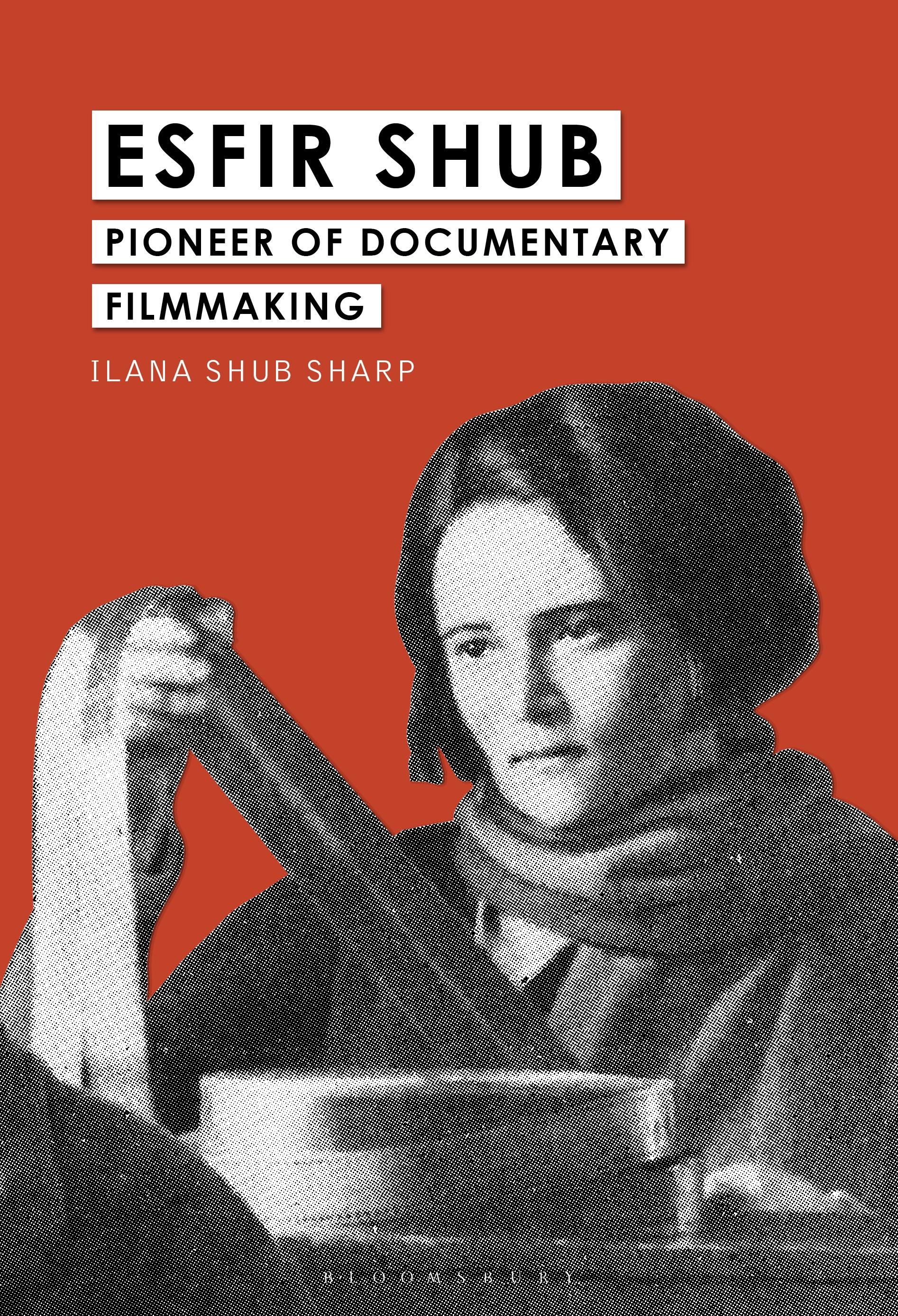
Esfir Shub was the only prominent female director of nonfiction film present at the dawning of the Soviet film industry. She was, in fact, the first woman both to write critical texts on cinema and then practically apply these theorisations in her own films. As such, her syncretism of cinema theory and praxis inspired her to ask questions regarding both the nature of nonfiction film, such as the problem of authenticity and reality, and the function of the artist in society; issues which are still relevant in contemporary discussions about the documentary.
Accordingly, this book demonstrates Shub's position not only as a significant filmmaker and recognised member of the early Soviet avant-garde but also as a key figure in global cinema history. Shub deserves recognition both as the founder and ardent promoter of the compilation film genre and as a pioneer of the theory and practice of documentary filmmaking.
Accordingly, this book demonstrates Shub's position not only as a significant filmmaker and recognised member of the early Soviet avant-garde but also as a key figure in global cinema history. Shub deserves recognition both as the founder and ardent promoter of the compilation film genre and as a pioneer of the theory and practice of documentary filmmaking.
Betal enkelt med kort, Klarna, Apple Pay eller Google Pay. Ikke fornøyd? Du har alltid 14 dagers angrerett. Les mer i våre vilkår. Har du spørsmål, send oss en e-post på hello@memmo.org.
Memmo gjør det enklere å studere – uansett hvor du er i verden. Hos oss samler du pensumbøker og smarte studieverktøy på ett og samme sted: sammendrag, quizer, podkaster og flashcards. Og så Ted, din studiekompis som svarer på alt du lurer på. Over 50 000 studenter studerer allerede her – bygget for at du skal lære raskere og stresse mindre.