
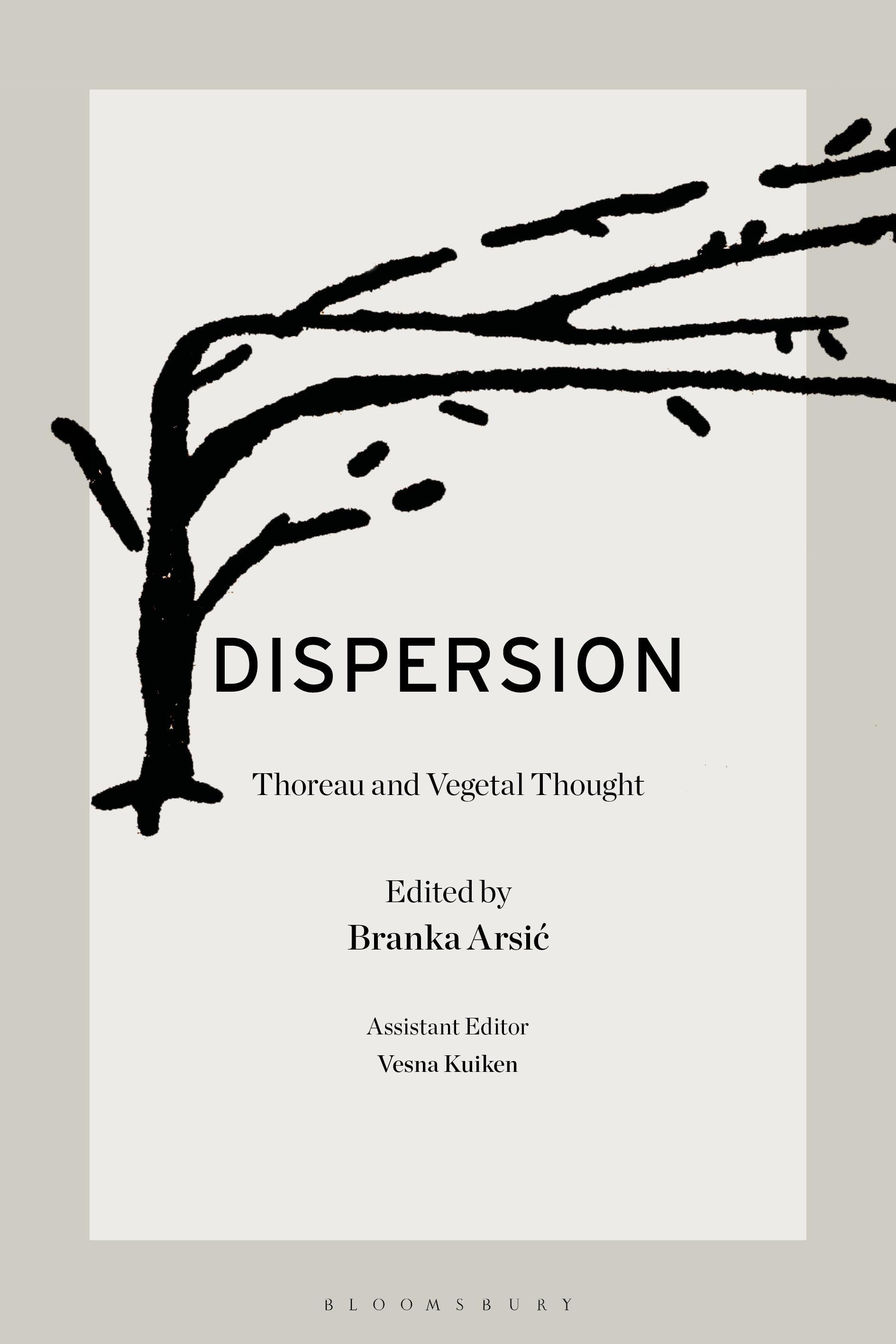
Plants are silent, still, or move slowly; we do not have the sense that they accompany us, or even perceive us. But is there something that plants are telling us? Is there something about how they live and connect, how they relate to the world and other plants that can teach us about ecological thinking, about ethics and politics?
Grounded in Thoreau's ecology and in contemporary plant studies, Dispersion: Thoreau and Vegetal Thought offers answers to those questions by pondering such concepts as co-dependence, the continuity of life forms, relationality, cohabitation, porousness, fragility, the openness of beings to incessant modification by other beings and phenomena, patience, waiting, slowness and receptivity.
Grounded in Thoreau's ecology and in contemporary plant studies, Dispersion: Thoreau and Vegetal Thought offers answers to those questions by pondering such concepts as co-dependence, the continuity of life forms, relationality, cohabitation, porousness, fragility, the openness of beings to incessant modification by other beings and phenomena, patience, waiting, slowness and receptivity.
Betal enkelt med kort, Klarna, Apple Pay eller Google Pay. Ikke fornøyd? Du har alltid 14 dagers angrerett. Les mer i våre vilkår. Har du spørsmål, send oss en e-post på hello@memmo.org.
Memmo gjør det enklere å studere – uansett hvor du er i verden. Hos oss samler du pensumbøker og smarte studieverktøy på ett og samme sted: sammendrag, quizer, podkaster og flashcards. Og så Ted, din studiekompis som svarer på alt du lurer på. Over 50 000 studenter studerer allerede her – bygget for at du skal lære raskere og stresse mindre.