
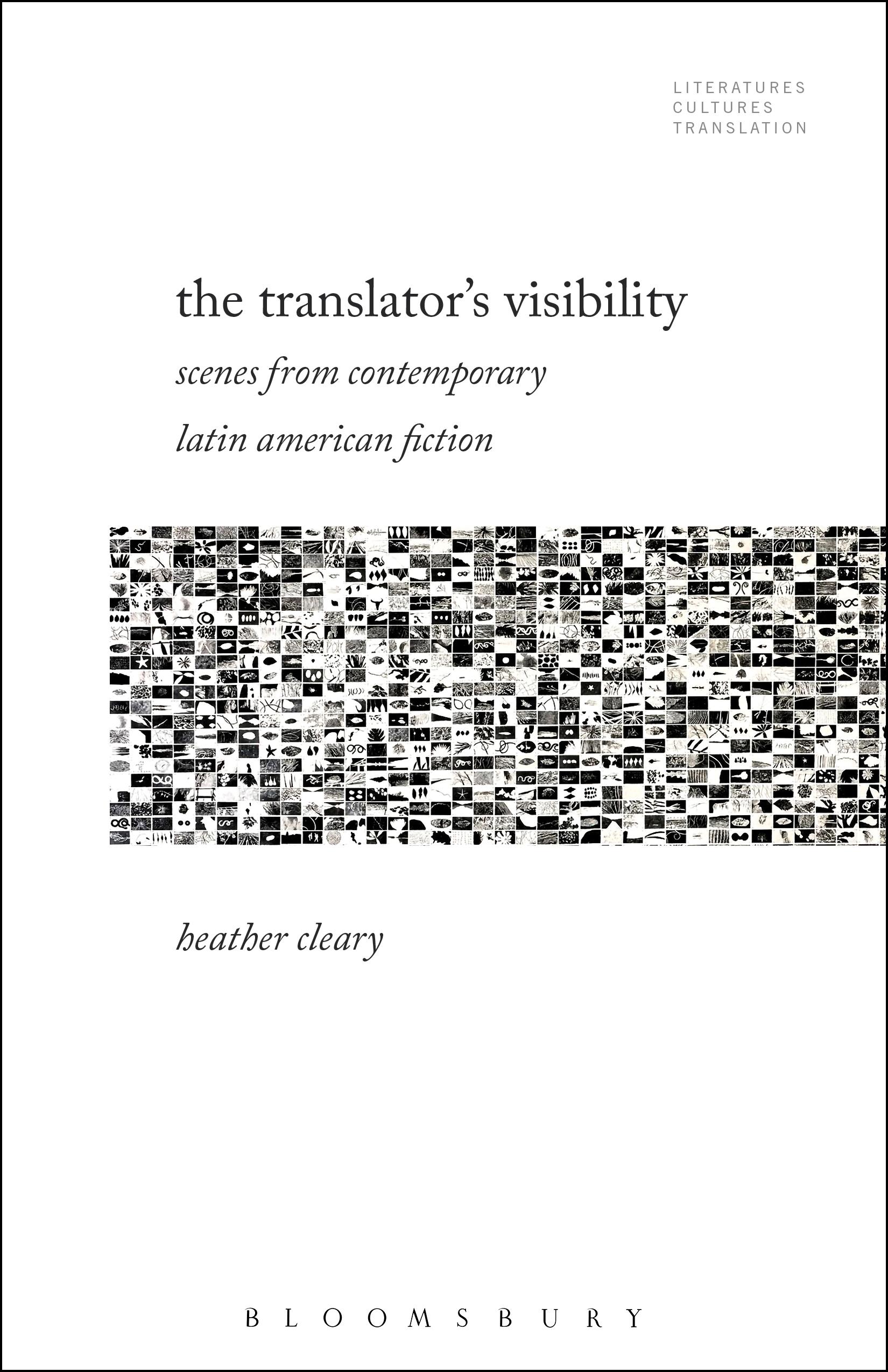
At the intersection of translation studies and Latin American literary studies, The Translator's Visibility examines contemporary novels by a cohort of writers – including prominent figures such as Cristina Rivera Garza, César Aira, Mario Bellatin, Valeria Luiselli, and Luis Fernando Verissimo – who foreground translation in their narratives.
Drawing on Latin America's long tradition of critical and creative engagement of translation, these novels explicitly, visibly, use major tropes of translation theory – such as gendered and spatialized metaphors for the practice, and the concept of untranslatability – to challenge the strictures of intellectual property and propriety while shifting asymmetries of discursive authority, above all between the original as a privileged repository of meaning and translation as its hollow emulation.
In this way, The Translator's Visibility show that translation not only serves to renew national literatures through an exchange of ideas and forms; when rendered visible, it can help us reimagine the terms according to which those exchanges take place. Ultimately, it is a book about language and power: not only the ways in which power wields language, but also the ways in which language can be used to unseat power.
Drawing on Latin America's long tradition of critical and creative engagement of translation, these novels explicitly, visibly, use major tropes of translation theory – such as gendered and spatialized metaphors for the practice, and the concept of untranslatability – to challenge the strictures of intellectual property and propriety while shifting asymmetries of discursive authority, above all between the original as a privileged repository of meaning and translation as its hollow emulation.
In this way, The Translator's Visibility show that translation not only serves to renew national literatures through an exchange of ideas and forms; when rendered visible, it can help us reimagine the terms according to which those exchanges take place. Ultimately, it is a book about language and power: not only the ways in which power wields language, but also the ways in which language can be used to unseat power.
Betal enkelt med kort, Klarna, Apple Pay eller Google Pay. Ikke fornøyd? Du har alltid 14 dagers angrerett. Les mer i våre vilkår. Har du spørsmål, send oss en e-post på hello@memmo.org.
Memmo gjør det enklere å studere – uansett hvor du er i verden. Hos oss samler du pensumbøker og smarte studieverktøy på ett og samme sted: sammendrag, quizer, podkaster og flashcards. Og så Ted, din studiekompis som svarer på alt du lurer på. Over 50 000 studenter studerer allerede her – bygget for at du skal lære raskere og stresse mindre.