
WINNER of the Society for Cinema and Media Studies (SCMS) Best First Book Award 2023
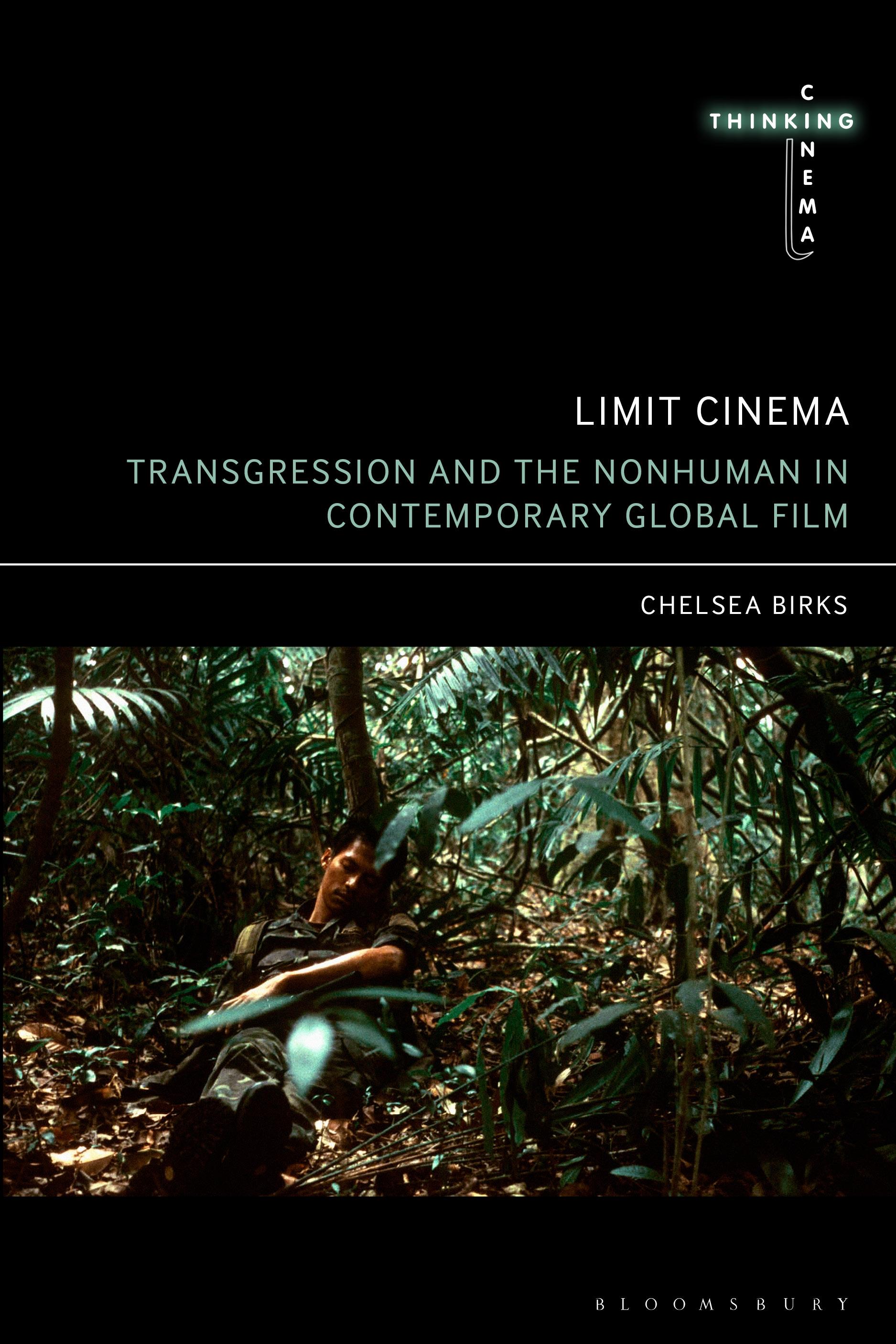
Limit Cinema explores how contemporary global cinema represents the relationship between humans and nature. During the 21st century this relationship has become increasingly fraught due to proliferating social and environmental crises; recent films from Lars von Trier's Melancholia (2011) to Apichatpong Weerasethakul's Uncle Boonmee Who Can Recall His Past Lives (2010) address these problems by reflecting or renegotiating the terms of our engagement with the natural world. In this spirit, this book proposes a new film philosophy for the Anthropocene. It argues that certain contemporary films attempt to transgress the limits of human experience, and that such 'limit cinema' has the potential to help us rethink our relationship with nature. Posing a new and timely alternative to the process philosophies that have become orthodox in the fields of film philosophy and ecocriticism, Limit Cinema revitalizes the philosophy of Georges Bataille and puts forward a new reading of his notion of transgression in the context of our current environmental crisis.
To that end, Limit Cinema brings Bataille into conversation with more recent discussions in the humanities that seek less anthropocentric modes of thought, including posthumanism, speculative realism, and other theories associated with the nonhuman turn. The problems at stake are global in scale, and the book therefore engages with cinema from a range of national and cultural contexts. From Ben Wheatley's psychological thrillers to Nettie Wild's eco-documentaries, limit cinema pushes against the boundaries of thought and encourages an ethical engagement with perspectives beyond the human.
Limit Cinema explores how contemporary global cinema represents the relationship between humans and nature. During the 21st century this relationship has become increasingly fraught due to proliferating social and environmental crises; recent films from Lars von Trier's Melancholia (2011) to Apichatpong Weerasethakul's Uncle Boonmee Who Can Recall His Past Lives (2010) address these problems by reflecting or renegotiating the terms of our engagement with the natural world. In this spirit, this book proposes a new film philosophy for the Anthropocene. It argues that certain contemporary films attempt to transgress the limits of human experience, and that such 'limit cinema' has the potential to help us rethink our relationship with nature. Posing a new and timely alternative to the process philosophies that have become orthodox in the fields of film philosophy and ecocriticism, Limit Cinema revitalizes the philosophy of Georges Bataille and puts forward a new reading of his notion of transgression in the context of our current environmental crisis.
To that end, Limit Cinema brings Bataille into conversation with more recent discussions in the humanities that seek less anthropocentric modes of thought, including posthumanism, speculative realism, and other theories associated with the nonhuman turn. The problems at stake are global in scale, and the book therefore engages with cinema from a range of national and cultural contexts. From Ben Wheatley's psychological thrillers to Nettie Wild's eco-documentaries, limit cinema pushes against the boundaries of thought and encourages an ethical engagement with perspectives beyond the human.
Sider: 224
Kategori: Film- & Medievetenskap
e-ISBN: 9781501352874
Fraktvekt: 1.2 kg
Sendes innen: 1-2 dager
Betal enkelt med kort, Klarna, Apple Pay eller Google Pay. Ikke fornøyd? Du har alltid 14 dagers angrerett. Les mer i våre vilkår. Har du spørsmål, send oss en e-post på hello@memmo.org.
Memmo gjør det enklere å studere – uansett hvor du er i verden. Hos oss samler du pensumbøker og smarte studieverktøy på ett og samme sted: sammendrag, quizer, podkaster og flashcards. Og så Ted, din studiekompis som svarer på alt du lurer på. Over 50 000 studenter studerer allerede her – bygget for at du skal lære raskere og stresse mindre.