
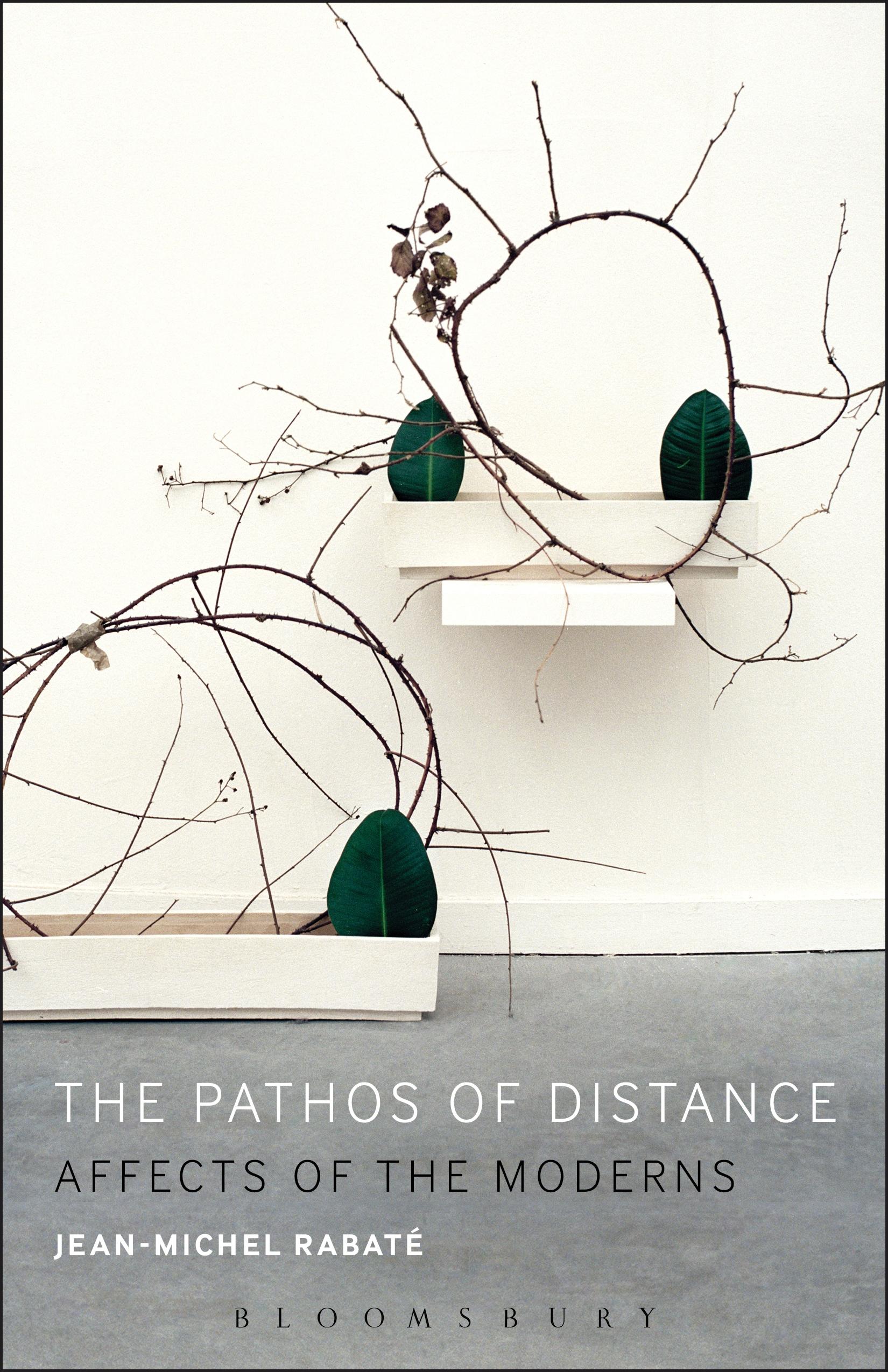
Jean-Michel Rabaté uses Nietzsche's image of a “pathos of distance,” the notion that values are created by a few gifted and lofty individuals, as the basis for a wide-ranging investigation into the ethics of the moderns. Revealing overlooked connections between Nietzsche's and Benjamin's ideas of history and ethics, Rabaté provides an original genealogy for modernist thought, moving through figures and moments as varied as Yeats and the birth of Irish Modernism, the ethics of courage in Virginia Woolf, Rilke, Apollinaire, and others in 1910, T. S. Eliot's post-war despair, Jean Cocteau's formidable selfmythology in his first film The Blood of a Poet, Siri Hustvedt's novel of American trauma, and J. M. Coetzee's dystopia portraying an affectless future haunted by a messianic promise.
Betal enkelt med kort, Klarna, Apple Pay eller Google Pay. Ikke fornøyd? Du har alltid 14 dagers angrerett. Les mer i våre vilkår. Har du spørsmål, send oss en e-post på hello@memmo.org.
Memmo gjør det enklere å studere – uansett hvor du er i verden. Hos oss samler du pensumbøker og smarte studieverktøy på ett og samme sted: sammendrag, quizer, podkaster og flashcards. Og så Ted, din studiekompis som svarer på alt du lurer på. Over 50 000 studenter studerer allerede her – bygget for at du skal lære raskere og stresse mindre.