
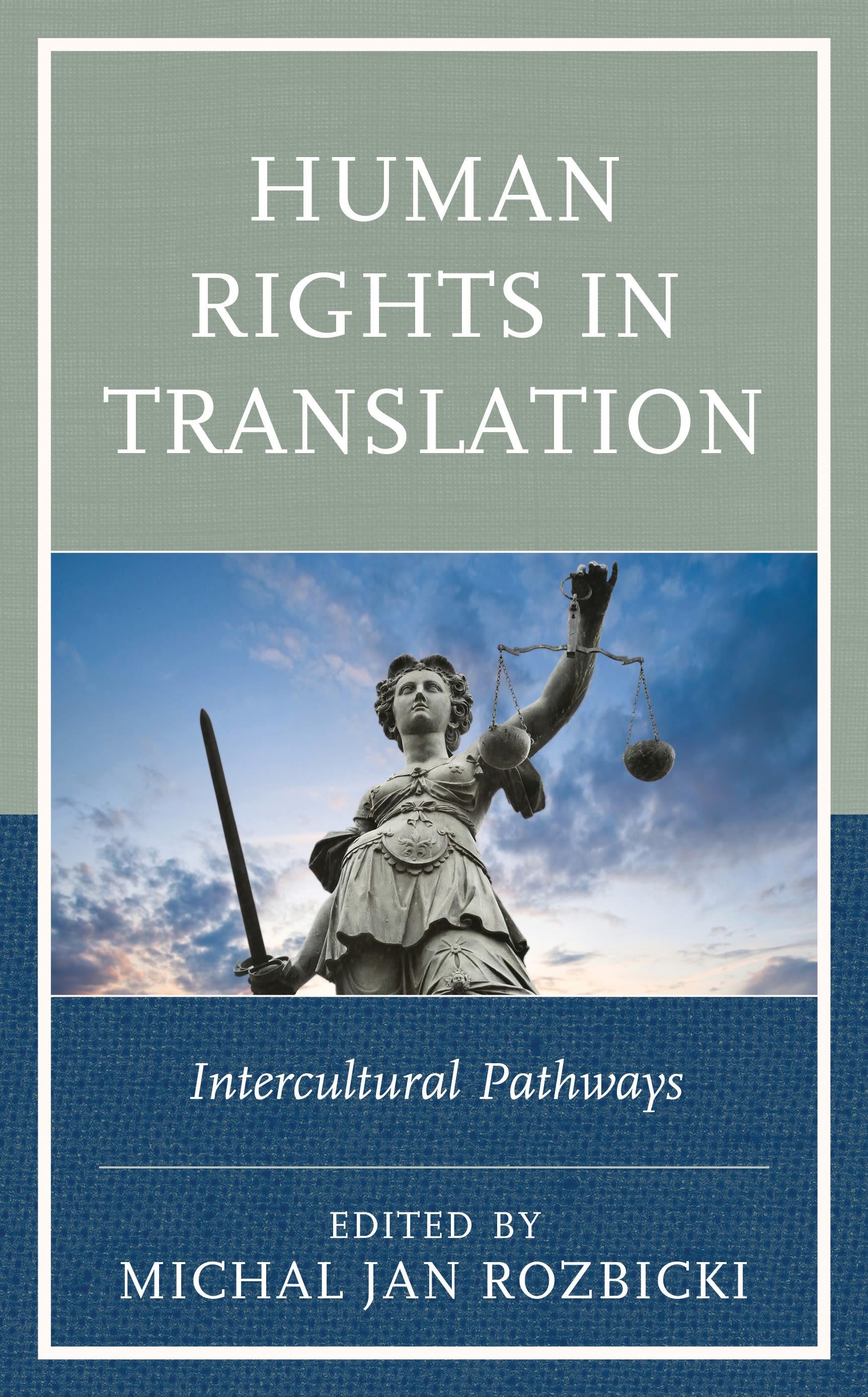
This volume reflects on what happens when the idea and practice of universal human rights cross the cultural borders between different communities of knowledge. Although such rights are usually presumed to be founded on certain globally shared beliefs, the norms and values of many cultures are often incommensurable with these "universal" principles, and hence the need to translate and “vernacularize” them. Any law that would successfully institutionalize them must frame human rights in a way that defers to the historically constituted cultural capital of the society in which it is to function. The essays in this book seek to illuminate different cognitive contexts that produce different meanings of rights, identify spaces of intercultural crossings where differences can coexist, and offer usable narratives and metaphors that could help mediate between distinct cultures. They show that the path forward does not lead through a unified theory of human rights that can be applied globally, nor through mere repackaging of rights in a more understandable language. What is needed is a deep understanding of the process of intercultural dialogue, the cultural "grammar" involved in relationships of difference.
Betal enkelt med kort, Klarna, Apple Pay eller Google Pay. Ikke fornøyd? Du har alltid 14 dagers angrerett. Les mer i våre vilkår. Har du spørsmål, send oss en e-post på hello@memmo.org.
Memmo gjør det enklere å studere – uansett hvor du er i verden. Hos oss samler du pensumbøker og smarte studieverktøy på ett og samme sted: sammendrag, quizer, podkaster og flashcards. Og så Ted, din studiekompis som svarer på alt du lurer på. Over 50 000 studenter studerer allerede her – bygget for at du skal lære raskere og stresse mindre.