
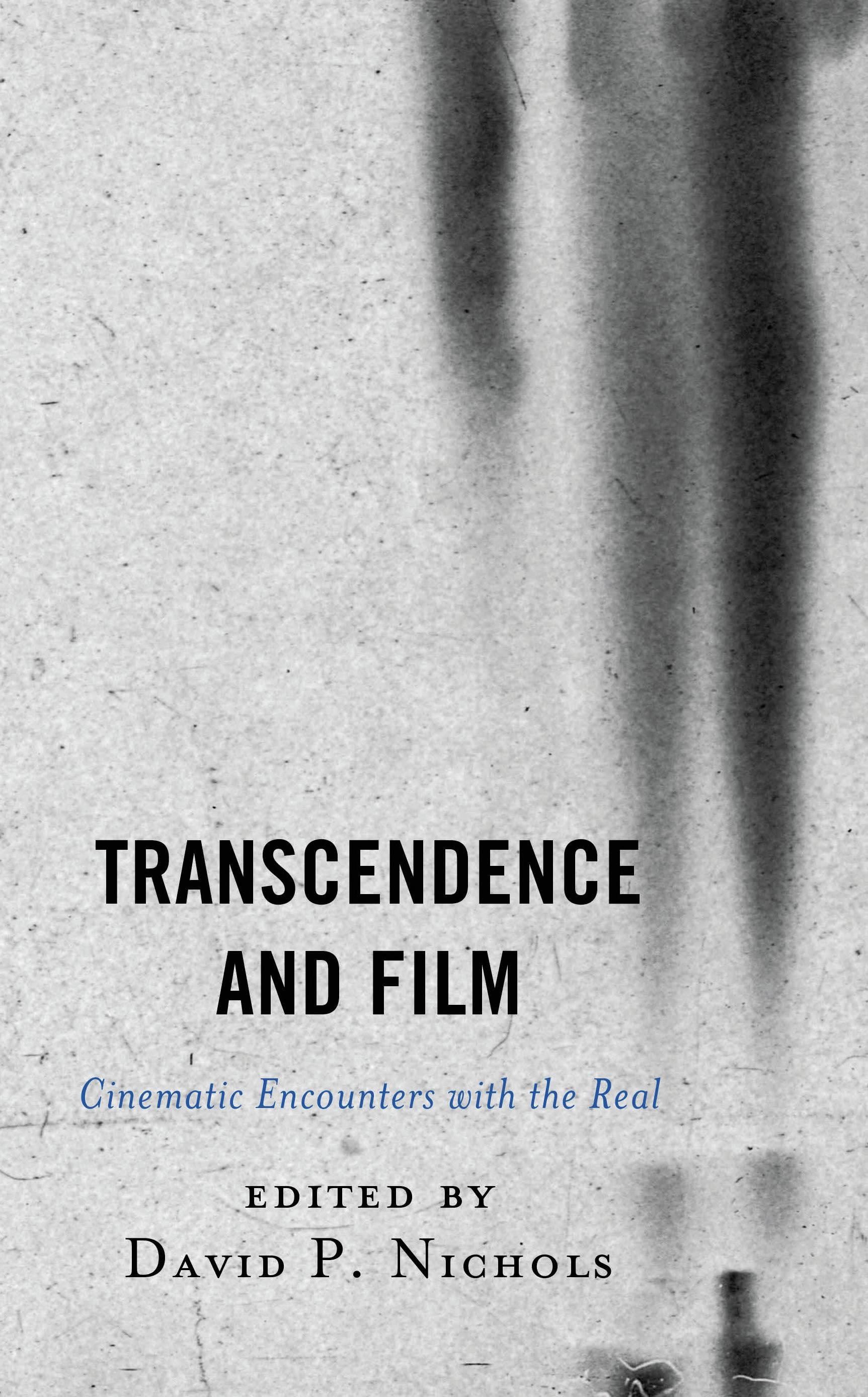
In this edited collection of essays, ten experts in film philosophy explore the importance of transcendence for understanding cinema as an art form. They analyze the role of transcendence for some of the most innovative film directors: David Cronenberg, Karl Theodor Dreyer, Federico Fellini, Werner Herzog, Stanley Kubrick, David Lynch, Terrence Malick, Yasujiro Ozu, and Martin Scorsese. Meanwhile they apply concepts of transcendence from continental philosophers like Alain Badiou, Gilles Deleuze, Martin Heidegger, Michel Henry, Edmund Husserl, Karl Jaspers, Søren Kierkegaard, Maurice Merleau-Ponty, Friedrich Nietzsche, and Jean-Paul Sartre. Each of the ten chapters results in a different perspective about what transcendence means and how it is essential to film as an art medium. Several common threads emerge among the chapters. The contributors find that the limitations of human existence are frequently made evident in moments of transcendence, so as to bring characters to the margins of their assumed world. At other times, transcendence goes immanent, so as to emerge in experiences of the surprising nearness of being, as though for a radical intensification of life. Film can also exhibit “ciphers of transcendence” whereby symbolic events open us to greater realizations about our place in the world. Lastly, the contributors observe that transcendence occurs in film, not simply from isolated moments forced into a storyline, but in a manner rooted within an ontological rhythm peculiar to the film itself.
Betal enkelt med kort, Klarna, Apple Pay eller Google Pay. Ikke fornøyd? Du har alltid 14 dagers angrerett. Les mer i våre vilkår. Har du spørsmål, send oss en e-post på hello@memmo.org.
Memmo gjør det enklere å studere – uansett hvor du er i verden. Hos oss samler du pensumbøker og smarte studieverktøy på ett og samme sted: sammendrag, quizer, podkaster og flashcards. Og så Ted, din studiekompis som svarer på alt du lurer på. Over 50 000 studenter studerer allerede her – bygget for at du skal lære raskere og stresse mindre.