
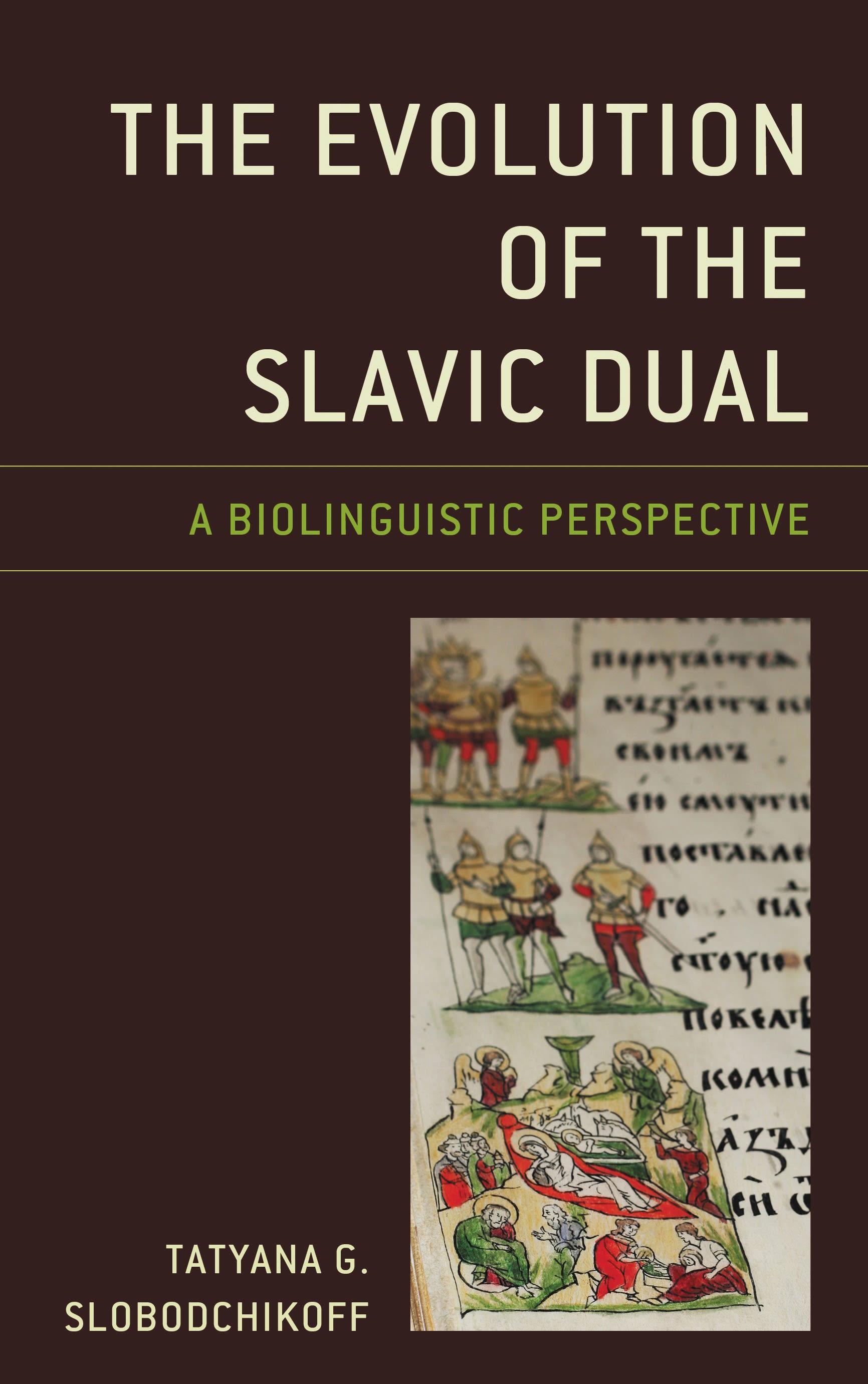
The dual number in Slavic has always puzzled linguists. While some Slavic languages, such as Slovenian, have three distinct categories of number--singular (1), dual (2), and plural (3 or more) –other Slavic languages, such as Russian, have no dual number. Considering that all Slavic languages have evolved from a common Proto Slavic language, it is puzzling that there is such a difference in the category of number. In The Evolution of the Slavic Dual: A Biolinguistic Perspective, with the aid of tools from biolinguistics, Tatyana G. Slobodchikoff develops a new theory of Morphosyntactic Feature Economy within the distributed morphology framework. Using newly digitized corpora of Old East Slavic, Old Slovenian, and Old Sorbian manuscripts spanning from the eleventh century through the present time, this book presents a thorough analysis of the evolution of dual number in Slavic languages.
Betal enkelt med kort, Klarna, Apple Pay eller Google Pay. Ikke fornøyd? Du har alltid 14 dagers angrerett. Les mer i våre vilkår. Har du spørsmål, send oss en e-post på hello@memmo.org.
Memmo gjør det enklere å studere – uansett hvor du er i verden. Hos oss samler du pensumbøker og smarte studieverktøy på ett og samme sted: sammendrag, quizer, podkaster og flashcards. Og så Ted, din studiekompis som svarer på alt du lurer på. Over 50 000 studenter studerer allerede her – bygget for at du skal lære raskere og stresse mindre.