
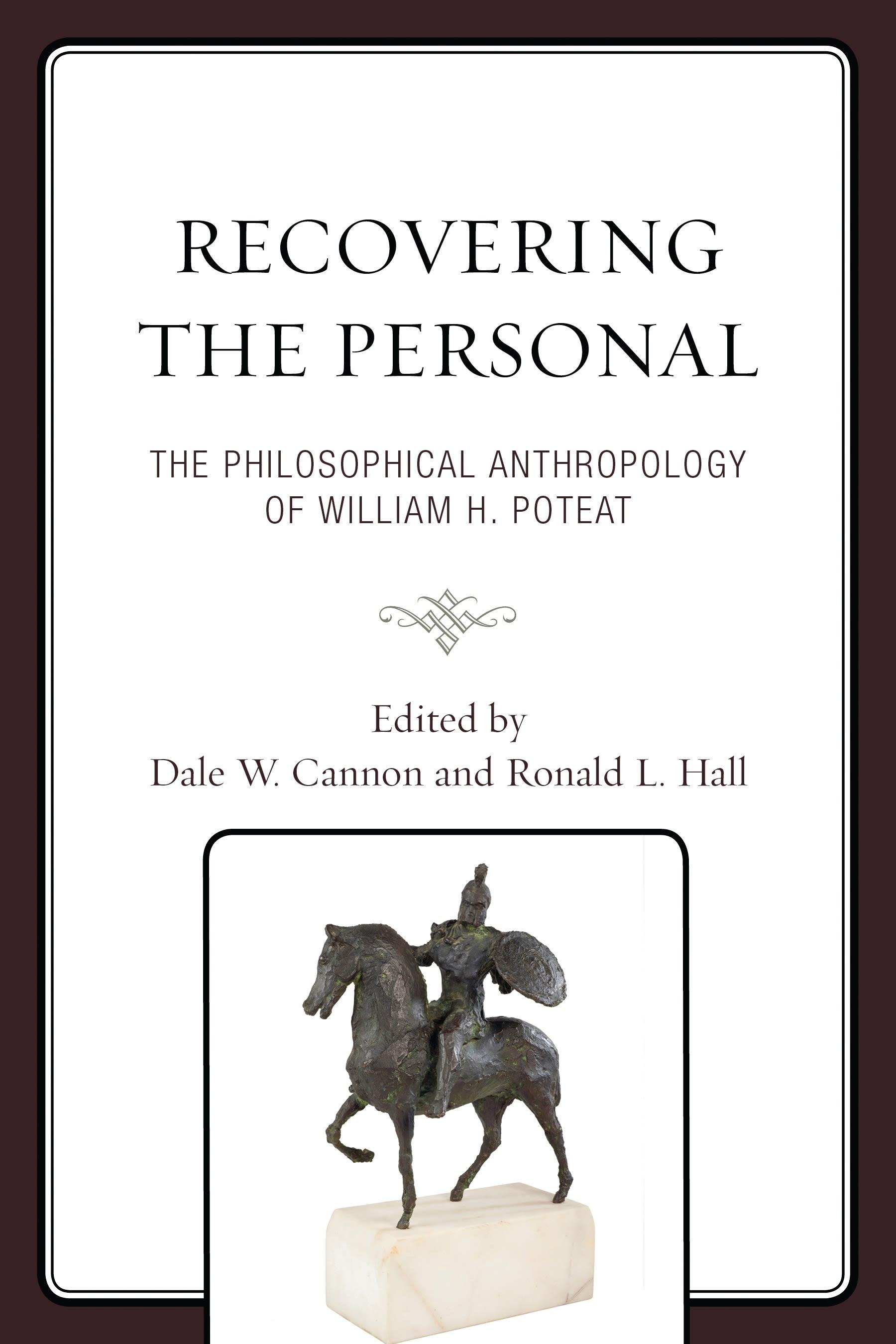
Modernity has radically challenged the assumptions that guide our ordinary lives as persons, in ways we are not normally aware. We live our concrete lives taking for granted that personal decisions, desires, relationships, actions, aspirations, values, and knowledge are central to our existence. But in modernity, we think of these matters as private, idiosyncratic, and subjective, even irrational. This modern conception of ourselves and the associated way of reflection known as modern critical thinking came to dominate our thinking is culminates in the dualistic philosophy of René Descartes. This dualism has spawned a reductionist view of persons and tainted “the personal” with connotations of bias, partiality, and privacy, leaving us with the presumption that if we seek to be objective and intellectually respectable, we must expunge the personal.
William H. Poteat’s work in philosophical anthropology has confronted this concern head on. He undertakes a radical critique of the various forms of mind-body dualism and materialist monism that have dominated Western intellectual concepts of the person. In a unique style that Poteat calls post-critical, he uncovers the staggering incoherencies of these dualisms and shows how they have resulted in a loss of the personal in the modern age. He also formulates a way out of this modern cultural insanity. This constructive dimension of his thought is centered on his signature concept of the mindbody, the pre-reflective ground of personal existence. The twelve contributors in this collection explore outgrowths and implications of Poteat’s thought.
Recovering the Personal will be of interest to a broad range of intellectual readers with interests in philosophy, psychology, theology, and the humanities.
William H. Poteat’s work in philosophical anthropology has confronted this concern head on. He undertakes a radical critique of the various forms of mind-body dualism and materialist monism that have dominated Western intellectual concepts of the person. In a unique style that Poteat calls post-critical, he uncovers the staggering incoherencies of these dualisms and shows how they have resulted in a loss of the personal in the modern age. He also formulates a way out of this modern cultural insanity. This constructive dimension of his thought is centered on his signature concept of the mindbody, the pre-reflective ground of personal existence. The twelve contributors in this collection explore outgrowths and implications of Poteat’s thought.
Recovering the Personal will be of interest to a broad range of intellectual readers with interests in philosophy, psychology, theology, and the humanities.
Betal enkelt med kort, Klarna, Apple Pay eller Google Pay. Ikke fornøyd? Du har alltid 14 dagers angrerett. Les mer i våre vilkår. Har du spørsmål, send oss en e-post på hello@memmo.org.
Memmo gjør det enklere å studere – uansett hvor du er i verden. Hos oss samler du pensumbøker og smarte studieverktøy på ett og samme sted: sammendrag, quizer, podkaster og flashcards. Og så Ted, din studiekompis som svarer på alt du lurer på. Over 50 000 studenter studerer allerede her – bygget for at du skal lære raskere og stresse mindre.