
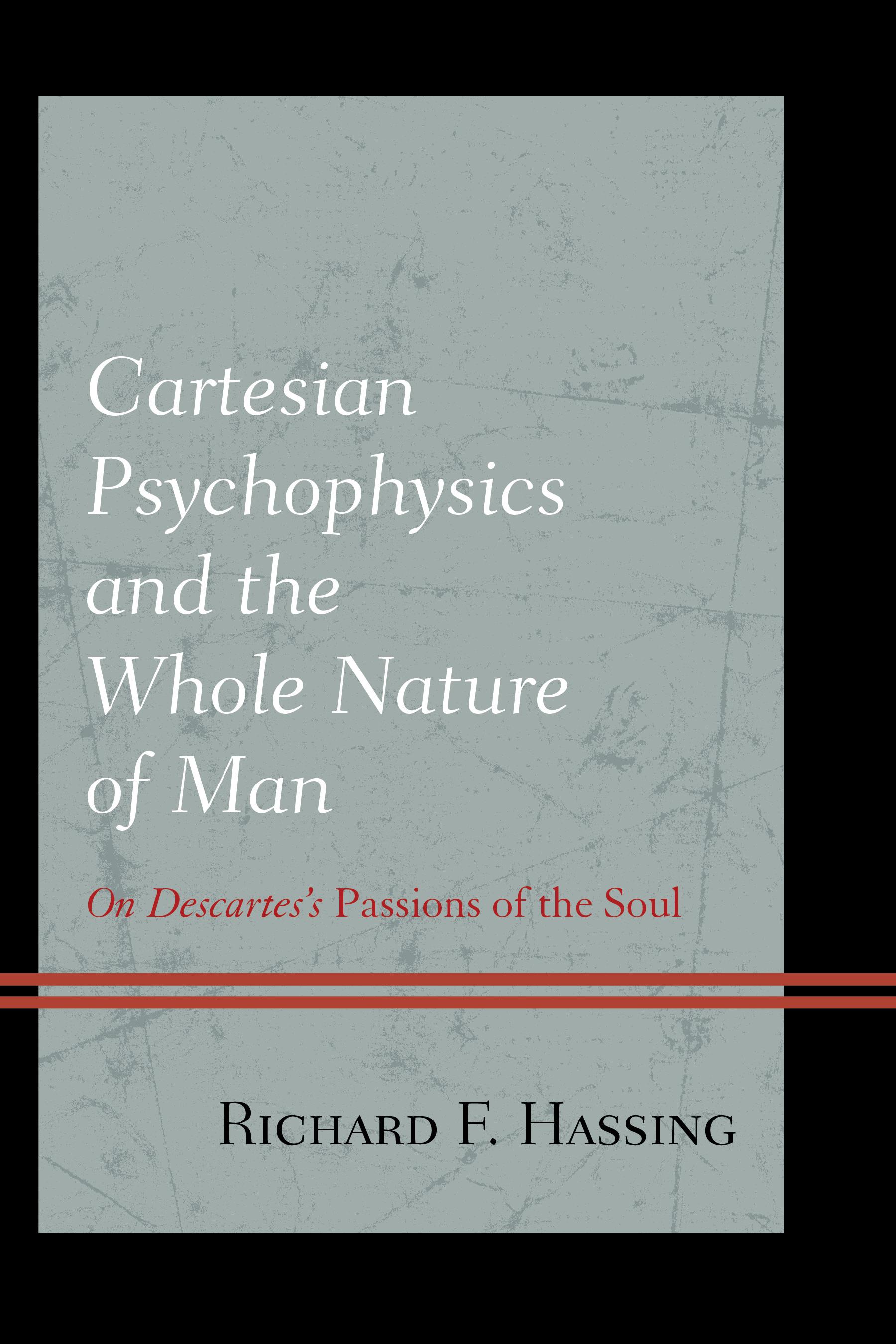
In The Passions of the Soul Descartes proclaims his intention to explain the passions “only as a Physicist,” and titles Part I “About the passions in general, and incidentally about the whole nature of man”—not an incidental item. Two questions orient the present inquiry: What does Descartes mean by “the whole nature of man,” and how does a general theory of the human emotions based on his physics account for it? Not surprisingly, Descartes does not fulfill the letter of his intention; rather, he explains the passions “only [partly] as a Physicist.” The other part of his study—irreducible to any physics—consists in his own analysis of the life of the human being as union of soul and body. The resulting account is an unusual combination of scientific (hypothetico-deductive) psychophysics and prescientific insight into human experience. In it, a quasi-mechanical theory of the impact of imagination on passion and volition is combined with a distinctive emphasis on the human propensity to esteem what we imagine to be great. Human history and therewith “the whole [problematic] nature of man” is constituted in significant measure by the particular and variable objects of esteem. The correction and improvement of our nature is the aim of Descartes’s culminating doctrine of the one thing that is truly estimable: the firm and constant resolution to use well (autonomously) one’s own (individual) powers of cognition and volition. With the return of religious war The Passions of the Soul is newly relevant.
Betal enkelt med kort, Klarna, Apple Pay eller Google Pay. Ikke fornøyd? Du har alltid 14 dagers angrerett. Les mer i våre vilkår. Har du spørsmål, send oss en e-post på hello@memmo.org.
Memmo gjør det enklere å studere – uansett hvor du er i verden. Hos oss samler du pensumbøker og smarte studieverktøy på ett og samme sted: sammendrag, quizer, podkaster og flashcards. Og så Ted, din studiekompis som svarer på alt du lurer på. Over 50 000 studenter studerer allerede her – bygget for at du skal lære raskere og stresse mindre.