
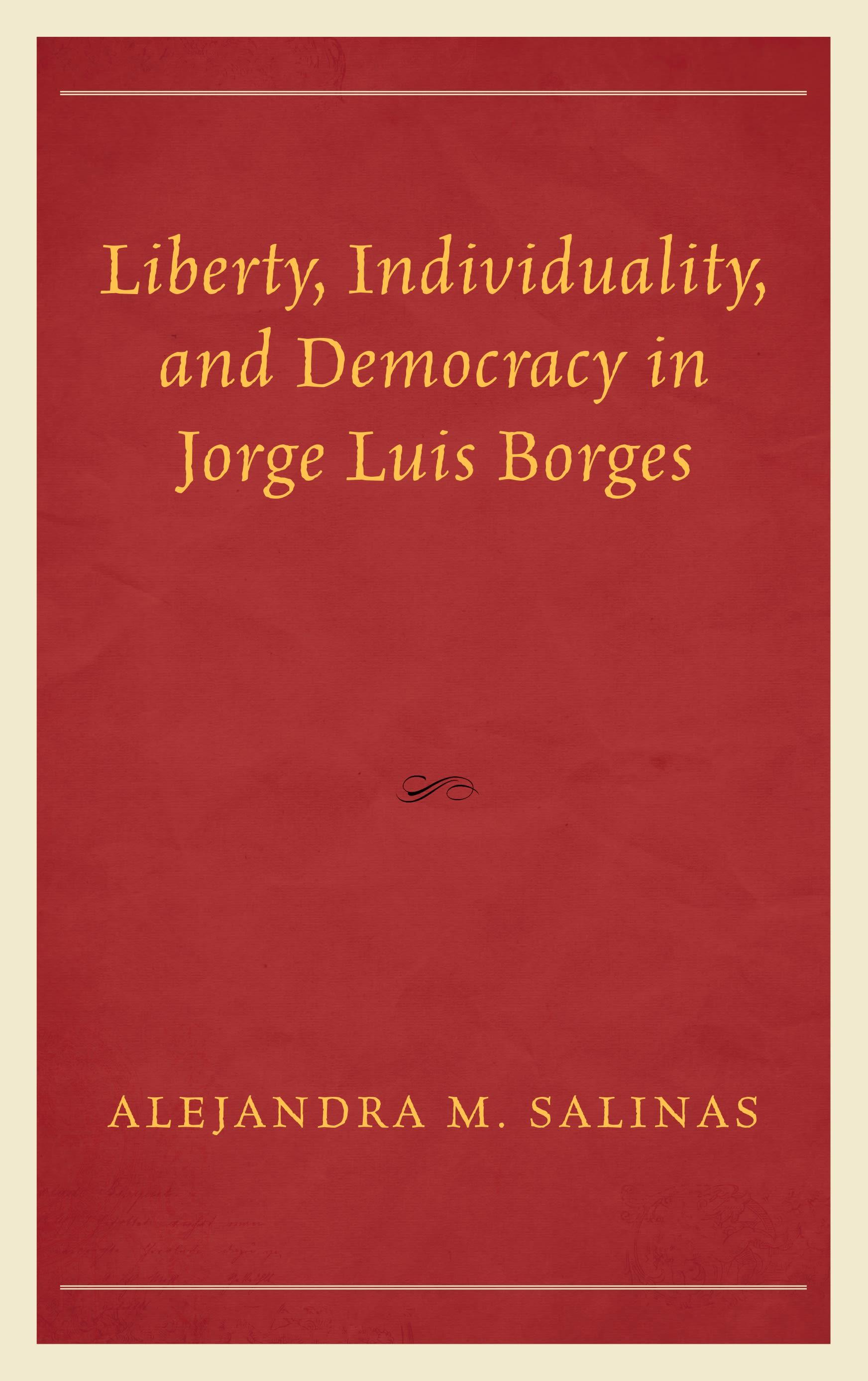
This book seeks to fill a double lacuna in Borges scholarship. For one, this scholarship has been largely developed through the lens of literary and cultural studies, and not by political theorists who bring a distinct disciplinary perspective into the reading of literary works. Secondly, mainstream interpreters have overlooked or have not analyzed enough Borges’s political sympathies. This book doesnot evaluate if these sympathies are truthful to political and historical facts or philosophical theories; rather, she shows in which aspects and around which topics Borges finds inspiration and gives literary form to the political. His texts abound with concepts and events such as liberty, individuality, war, and revolution, and they deal with topics such as the legitimacy of authority, the limits of reason, and the principle of representation, among others. This book also addresses Borges’s democratic sensitivity and his critique of populism and militarism as related to salient national and global historical events that inspired his works. Above all, it calls attention to Borges’s belief in the pre-eminence of individual liberty, his rejection of political oppression, and his warning against civic indifference brought about by an isolated individualism. This book may be of interest to students and professors of politics, philosophy and literature. It may also interest literary critics and readers who want to approach Borges’s works with a political rather than a literary or a cultural lens.
Betal enkelt med kort, Klarna, Apple Pay eller Google Pay. Ikke fornøyd? Du har alltid 14 dagers angrerett. Les mer i våre vilkår. Har du spørsmål, send oss en e-post på hello@memmo.org.
Memmo gjør det enklere å studere – uansett hvor du er i verden. Hos oss samler du pensumbøker og smarte studieverktøy på ett og samme sted: sammendrag, quizer, podkaster og flashcards. Og så Ted, din studiekompis som svarer på alt du lurer på. Over 50 000 studenter studerer allerede her – bygget for at du skal lære raskere og stresse mindre.