
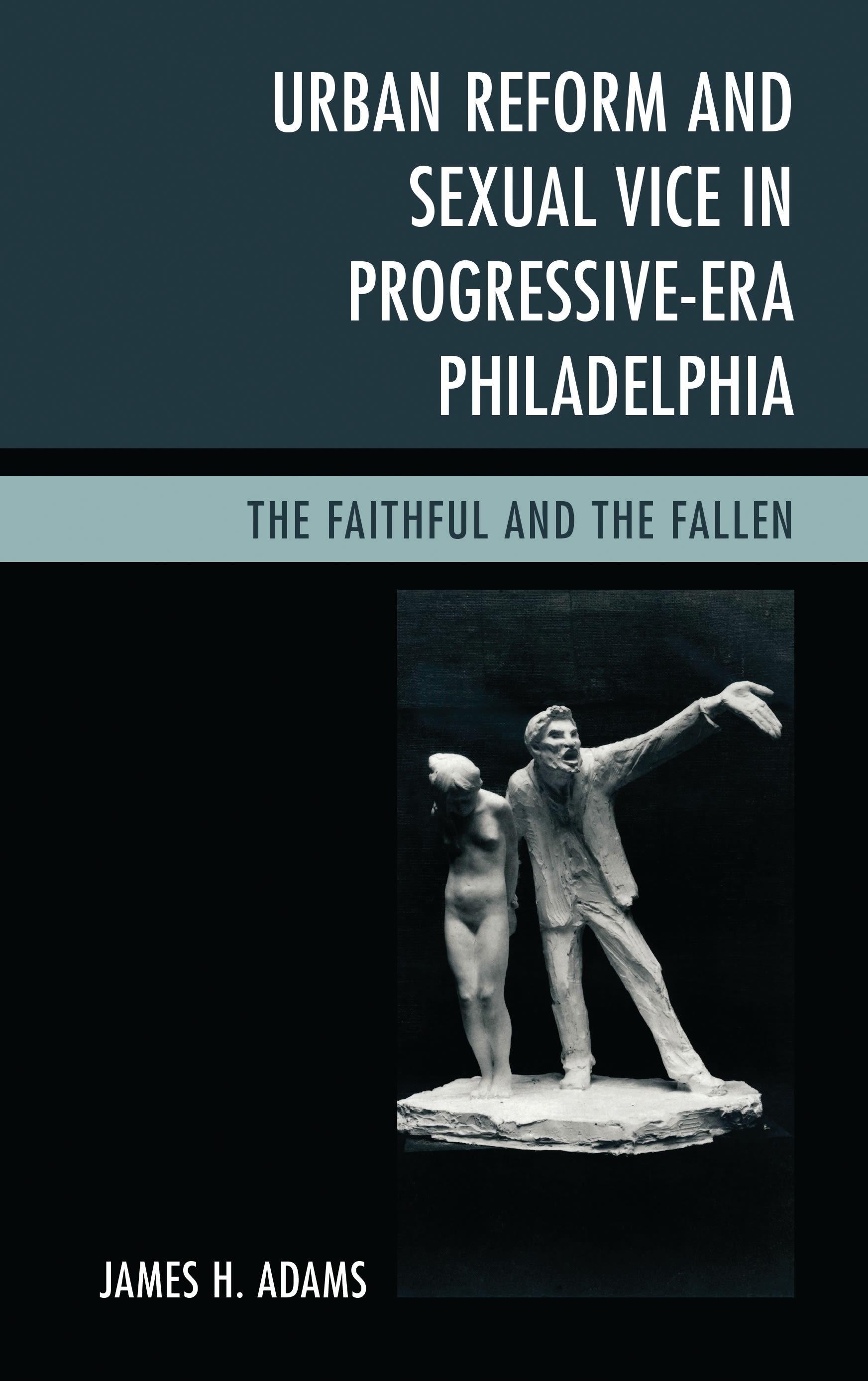
This book examines the intersection and interplay between Progressive-Era rhetoric regarding commercialized vice and the realities of prostitution in early-twentieth-century Philadelphia. Arguing that any study of commercial sexual vice in a historical context is difficult given the paucity of evidence, this work instead focuses on reformers’ construction of a cultural view of prostitution, which Adams argues was based more upon their perceptions of the trade than on reality itself. Looking at the urban core of the city, Progressive reformers saw vice, immorality, and decay—but as they frequently had little face-to-face interaction with prostitutes plying their trade, they were forced to construct culturally fueled archetypes to explain what they believed they saw. Ultimately, reformers in Philadelphia were battling against a rhetorical creation of their own design, and any study of anti-vice reform in the early twentieth century tells us more about the relationship between activists and the government than it does about vice itself.
Betal enkelt med kort, Klarna, Apple Pay eller Google Pay. Ikke fornøyd? Du har alltid 14 dagers angrerett. Les mer i våre vilkår. Har du spørsmål, send oss en e-post på hello@memmo.org.
Memmo gjør det enklere å studere – uansett hvor du er i verden. Hos oss samler du pensumbøker og smarte studieverktøy på ett og samme sted: sammendrag, quizer, podkaster og flashcards. Og så Ted, din studiekompis som svarer på alt du lurer på. Over 50 000 studenter studerer allerede her – bygget for at du skal lære raskere og stresse mindre.