
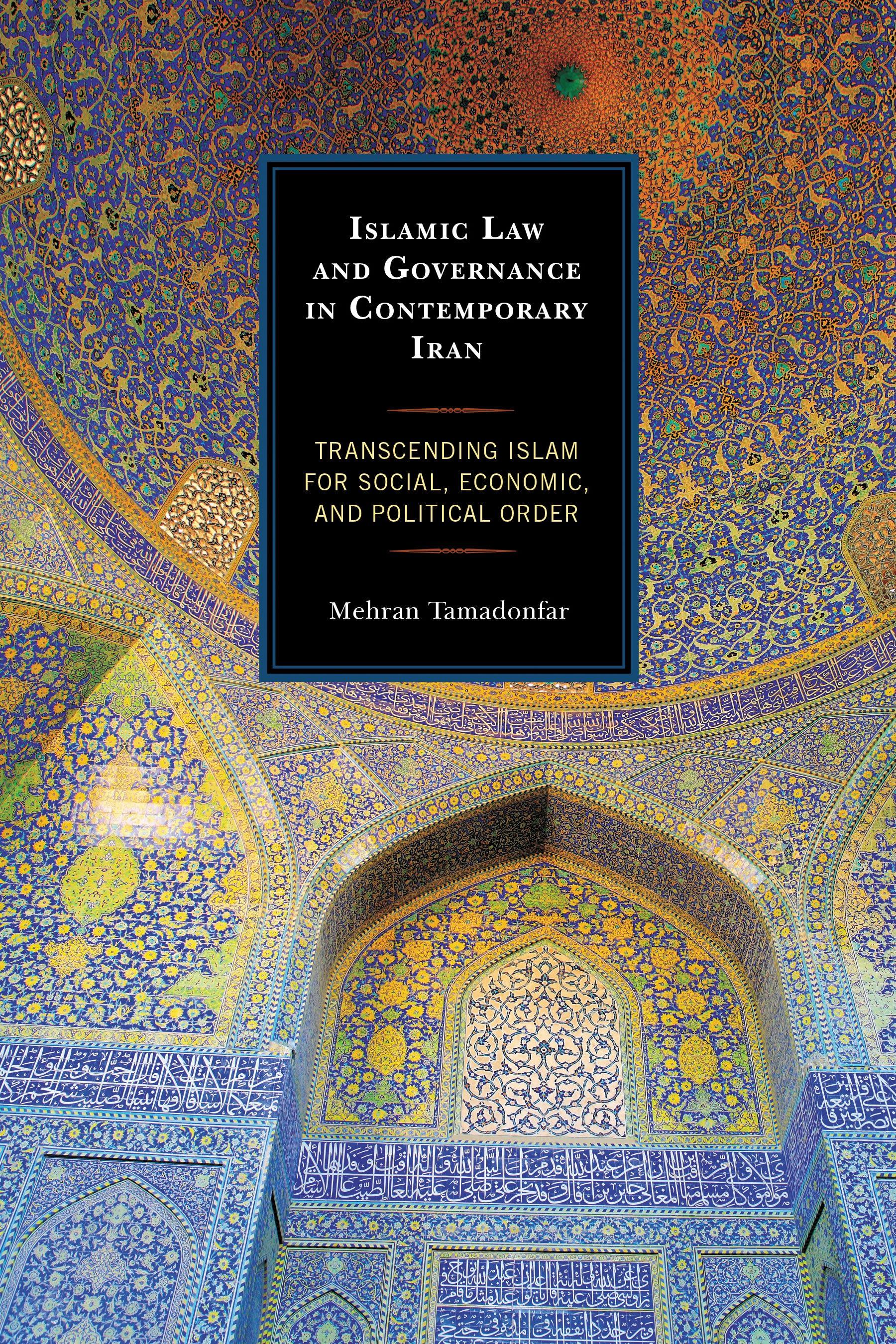
The current rise of Islamism throughout the Muslim world, Islamists’ demand for the establishment of Islamic states, and their destabilizing impact on regional and global orders have raised important questions about the origins of Islamism and the nature of an Islamic state. Beginning with the Iranian revolution of the late 1970s and the establishment of the Islamic Republic to today’s rise of ISIS to prominence, it has become increasingly apparent that Islamism is a major global force in the twenty-first century that demands acknowledgment and answers.
As a highly-integrated belief system, the Islamic worldview rejects secularism and accounts for a prominent role for religion in the politics and laws of Muslim societies. Islam is primarily a legal framework that covers all aspects of Muslims’ individual and communal lives. In this sense, the Islamic state is a logical instrument for managing Muslim societies. Even moderate Muslims who genuinely, but not necessarily vociferously, challenge the extremists’ strategies are not dismissive of the political role of Islam and the viability of an Islamic state. However, sectarian and scholastic schisms within Islam that date back to the prophet’s demise do undermine any possibility of consensus about the legal, institutional, and policy parameters of the Islamic state.
Within its Shi’a sectarian limitations, this book attempts to offer some answers to questions about the nature of the Islamic state. Nearly four decades of experience with the Islamic Republic of Iran offers us some insights into such a state’s accomplishments, potentials, and challenges. While the Islamic worldview offers a general framework for governance, this framework is in dire need of modification to be applicable to modern societies. As Iranians have learned, in the realm of practical politics, transcending the restrictive precepts of Islam is the most viable strategy for building a functional Islamic state. Indeed, Islam does provide both doctrinal and practical instruments for transcending these restrictions. This pursuit of pragmatism could potentially offer impressive strategies for governance as long as sectarian, scholastic, and autocratic proclivities of authorities do not derail the rights of the public and their demand for an orderly management of their societies.
As a highly-integrated belief system, the Islamic worldview rejects secularism and accounts for a prominent role for religion in the politics and laws of Muslim societies. Islam is primarily a legal framework that covers all aspects of Muslims’ individual and communal lives. In this sense, the Islamic state is a logical instrument for managing Muslim societies. Even moderate Muslims who genuinely, but not necessarily vociferously, challenge the extremists’ strategies are not dismissive of the political role of Islam and the viability of an Islamic state. However, sectarian and scholastic schisms within Islam that date back to the prophet’s demise do undermine any possibility of consensus about the legal, institutional, and policy parameters of the Islamic state.
Within its Shi’a sectarian limitations, this book attempts to offer some answers to questions about the nature of the Islamic state. Nearly four decades of experience with the Islamic Republic of Iran offers us some insights into such a state’s accomplishments, potentials, and challenges. While the Islamic worldview offers a general framework for governance, this framework is in dire need of modification to be applicable to modern societies. As Iranians have learned, in the realm of practical politics, transcending the restrictive precepts of Islam is the most viable strategy for building a functional Islamic state. Indeed, Islam does provide both doctrinal and practical instruments for transcending these restrictions. This pursuit of pragmatism could potentially offer impressive strategies for governance as long as sectarian, scholastic, and autocratic proclivities of authorities do not derail the rights of the public and their demand for an orderly management of their societies.
Sider: 386
Kategori: Statsvetenskap & Politik
e-ISBN: 9781498507578
Fraktvekt: 1.2 kg
Sendes innen: 1-2 dager
Betal enkelt med kort, Klarna, Apple Pay eller Google Pay. Ikke fornøyd? Du har alltid 14 dagers angrerett. Les mer i våre vilkår. Har du spørsmål, send oss en e-post på hello@memmo.org.
Memmo gjør det enklere å studere – uansett hvor du er i verden. Hos oss samler du pensumbøker og smarte studieverktøy på ett og samme sted: sammendrag, quizer, podkaster og flashcards. Og så Ted, din studiekompis som svarer på alt du lurer på. Over 50 000 studenter studerer allerede her – bygget for at du skal lære raskere og stresse mindre.