
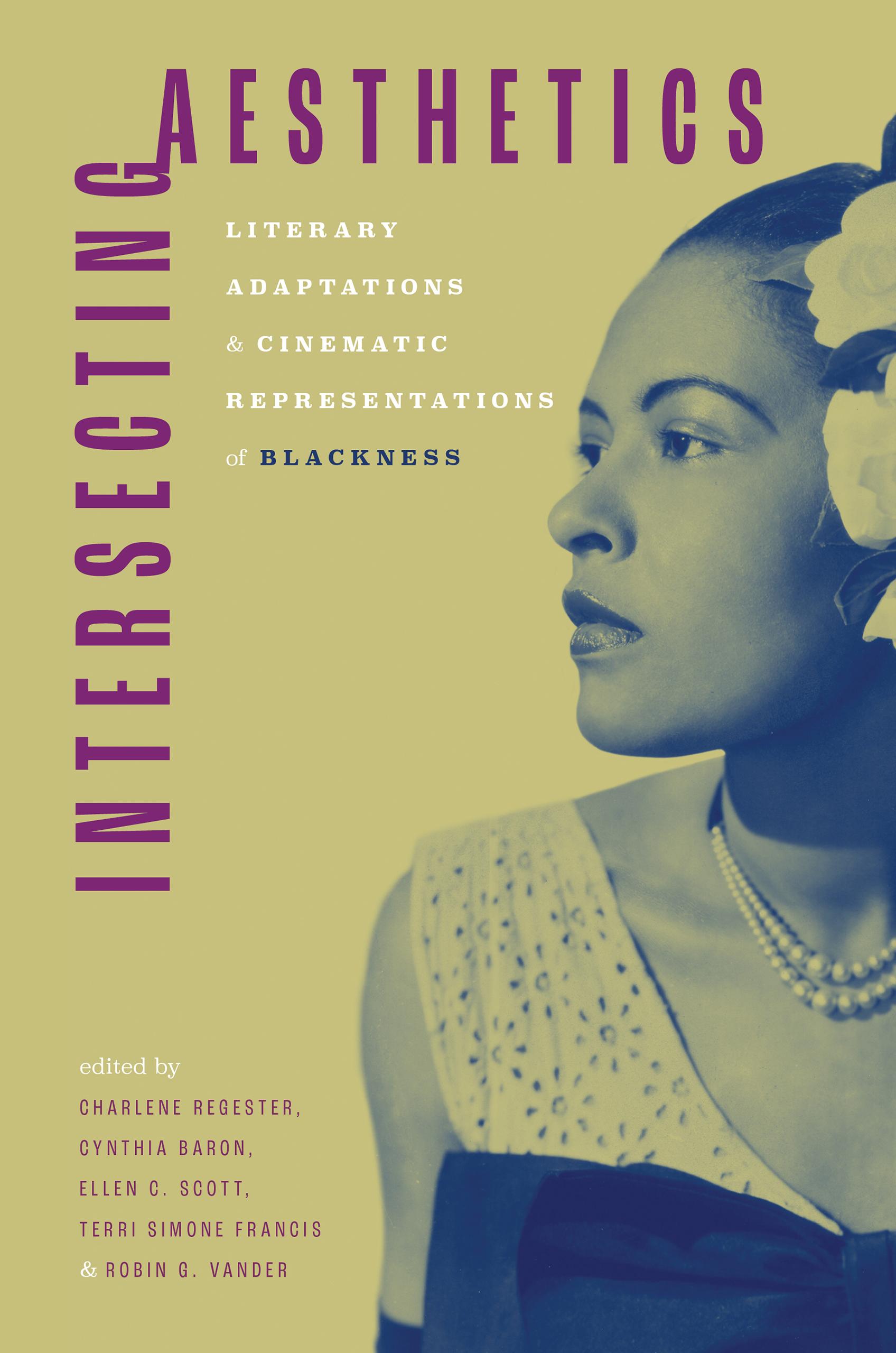
Contributions by Cynthia Baron, Elizabeth Binggeli, Kimberly Nichele Brown, Priscilla Layne, Eric Pierson, Charlene Regester, Ellen C. Scott, Tanya L. Shields, and Judith E. Smith
Intersecting Aesthetics: Literary Adaptations and Cinematic Representations of Blackness illuminates cultural and material trends that shaped Black film adaptations during the twentieth century. Contributors to this collection reveal how Black literary and filmic texts are sites of negotiation between dominant and resistant perspectives. Their work ultimately explores the effects racial perspectives have on film adaptations and how race-inflected cultural norms have influenced studio and independent film depictions. Several chapters analyze how self-censorship and industry censorship affect Black writing and the adaptations of Black stories in early to mid-twentieth-century America. Using archival material, contributors demonstrate the ways commercial obstacles have led Black writers and white-dominated studios to mask Black experiences. Other chapters document instances in which Black writers and directors navigate cultural norms and material realities to realize their visions in literary works, independent films, and studio productions. Through uncovering patterns in Black film adaptations, Intersecting Aesthetics reveals themes, aesthetic strategies, and cultural dynamics that rightfully belong to accounts of film adaptation.
The volume considers travelogue and autobiography sources along with the fiction of Black authors H. G. de Lisser, Richard Wright, Ann Petry, Frank Yerby, and Walter Mosley. Contributors examine independent films The Love Wanga (1936) and The Devil’s Daughter (1939); Melvin Van Peebles's first feature, The Story of a Three Day Pass (1967); and the Senegalese film Karmen Geï (2001). They also explore studio-era films In This Our Life (1942), The Foxes of Harrow (1947), Lydia Bailey (1952), The Golden Hawk (1952), and The Saracen Blade (1954) and post-studio films The Learning Tree (1969), Shaft (1971), Lady Sings the Blues (1972), and Devil in a Blue Dress (1995).
Intersecting Aesthetics: Literary Adaptations and Cinematic Representations of Blackness illuminates cultural and material trends that shaped Black film adaptations during the twentieth century. Contributors to this collection reveal how Black literary and filmic texts are sites of negotiation between dominant and resistant perspectives. Their work ultimately explores the effects racial perspectives have on film adaptations and how race-inflected cultural norms have influenced studio and independent film depictions. Several chapters analyze how self-censorship and industry censorship affect Black writing and the adaptations of Black stories in early to mid-twentieth-century America. Using archival material, contributors demonstrate the ways commercial obstacles have led Black writers and white-dominated studios to mask Black experiences. Other chapters document instances in which Black writers and directors navigate cultural norms and material realities to realize their visions in literary works, independent films, and studio productions. Through uncovering patterns in Black film adaptations, Intersecting Aesthetics reveals themes, aesthetic strategies, and cultural dynamics that rightfully belong to accounts of film adaptation.
The volume considers travelogue and autobiography sources along with the fiction of Black authors H. G. de Lisser, Richard Wright, Ann Petry, Frank Yerby, and Walter Mosley. Contributors examine independent films The Love Wanga (1936) and The Devil’s Daughter (1939); Melvin Van Peebles's first feature, The Story of a Three Day Pass (1967); and the Senegalese film Karmen Geï (2001). They also explore studio-era films In This Our Life (1942), The Foxes of Harrow (1947), Lydia Bailey (1952), The Golden Hawk (1952), and The Saracen Blade (1954) and post-studio films The Learning Tree (1969), Shaft (1971), Lady Sings the Blues (1972), and Devil in a Blue Dress (1995).
Sider: 288
Kategori: Film- & Medievetenskap
e-ISBN: 9781496848864
Fraktvekt: 1.2 kg
Sendes innen: 1-2 dager
Betal enkelt med kort, Klarna, Apple Pay eller Google Pay. Ikke fornøyd? Du har alltid 14 dagers angrerett. Les mer i våre vilkår. Har du spørsmål, send oss en e-post på hello@memmo.org.
Memmo gjør det enklere å studere – uansett hvor du er i verden. Hos oss samler du pensumbøker og smarte studieverktøy på ett og samme sted: sammendrag, quizer, podkaster og flashcards. Og så Ted, din studiekompis som svarer på alt du lurer på. Over 50 000 studenter studerer allerede her – bygget for at du skal lære raskere og stresse mindre.
Du vil kanskje også like
Kjøp boken0