
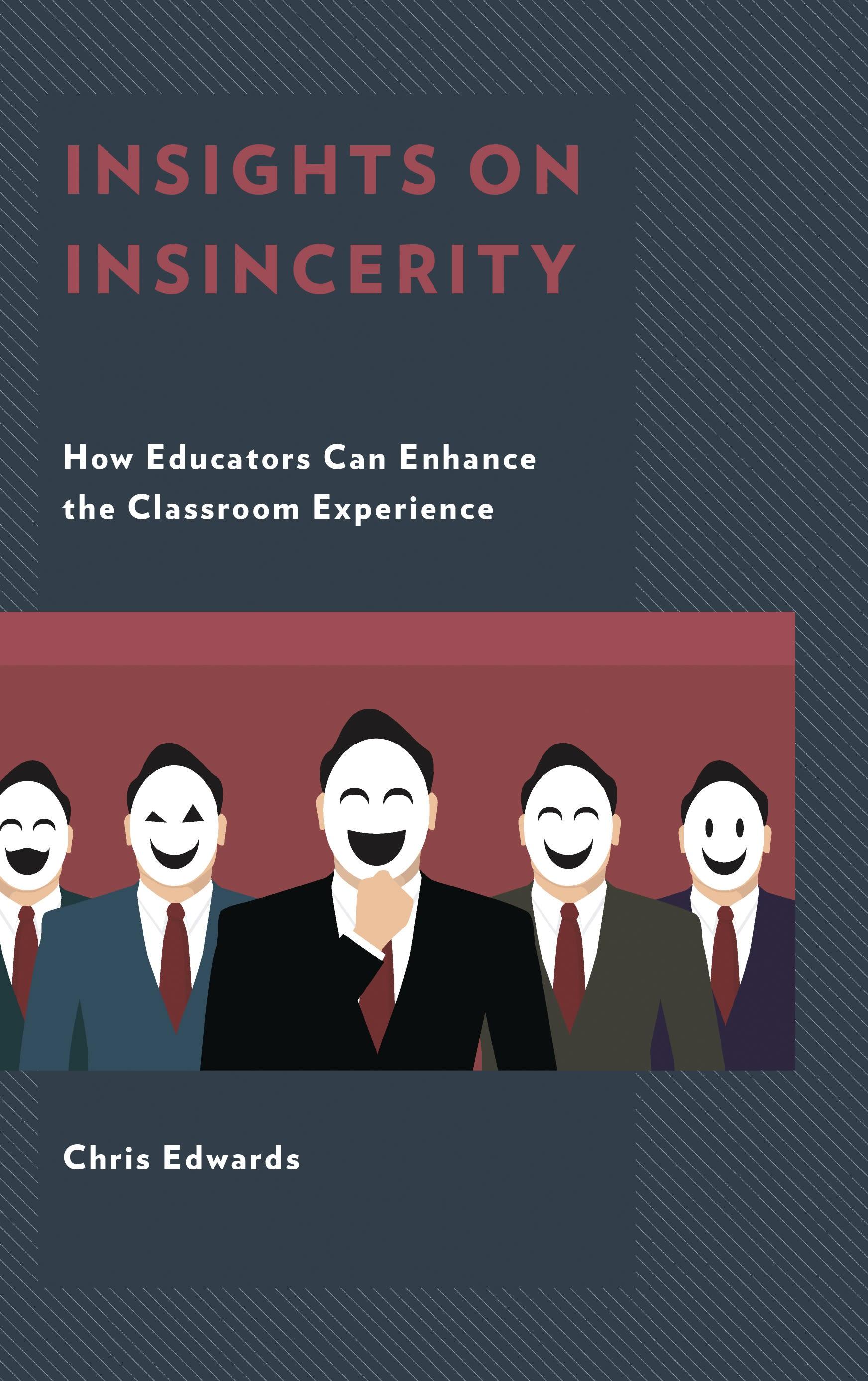
Erasmus praised folly and the Romantics waxed poetically about love, but no one until now has traced the history and impact of insincerity on society and the humanities. Insincerity arises when someone feels one way but acts another and an insincere situation looks to have one purpose but really hides another. Insincerity finds expression in four types of relationships: 1. From authority to the subordinate, 2. From the subordinate to authority, 3. Between equals 4. In society and in the self. Educators can discover how highlight insincerity in literature, history, psychology, sociology, politics, and popular culture. All readers can learn how to identify insincerity in their everyday relationships. Was that meeting at work really about conveying information and soliciting responses, or was it really about reinforcing the corporate hierarchy? When Galileo apologized to the Inquisition for positing a “solar” system, did he bring an end to an era of great religious sincerity? What did George Orwell get so wrong about insincerity in 1984? Most importantly, readers can find out what they should do when they you encounter that modern phrase that manifests insincerity: Thanks so much for your feedback.
Betal enkelt med kort, Klarna, Apple Pay eller Google Pay. Ikke fornøyd? Du har alltid 14 dagers angrerett. Les mer i våre vilkår. Har du spørsmål, send oss en e-post på hello@memmo.org.
Memmo gjør det enklere å studere – uansett hvor du er i verden. Hos oss samler du pensumbøker og smarte studieverktøy på ett og samme sted: sammendrag, quizer, podkaster og flashcards. Og så Ted, din studiekompis som svarer på alt du lurer på. Over 50 000 studenter studerer allerede her – bygget for at du skal lære raskere og stresse mindre.