
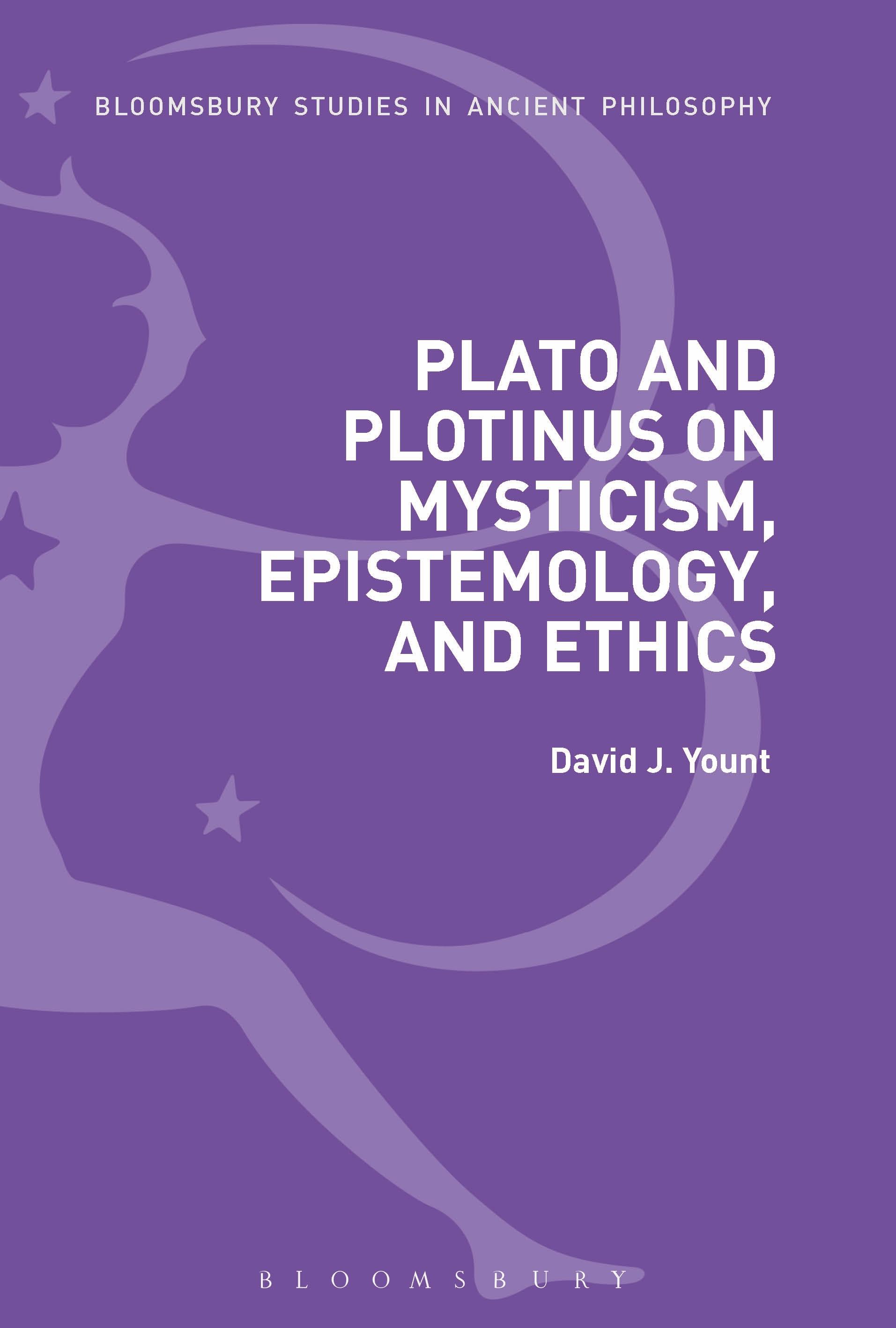
This book argues against the common view that there are no essential differences between Plato and the Neoplatonist philosopher, Plotinus, on the issues of mysticism, epistemology, and ethics. Beginning by examining the ways in which Plato and Plotinus claim that it is possible to have an ultimate experience that answers the most significant philosophical questions, David J. Yount provides an extended analysis of why we should interpret both philosophers as mystics. The book then moves on to demonstrate that both philosophers share a belief in non-discursive knowledge and the methods to attain it, including dialectic and recollection, and shows that they do not essentially differ on any significant views on ethics.
Making extensive use of primary and secondary sources, Plato and Plotinus on Mysticism, Epistemology and Ethics shows the similarities between the thought of these two philosophers on a variety of philosophical questions, such as meditation, divination, wisdom, knowledge, truth, happiness and love.
Making extensive use of primary and secondary sources, Plato and Plotinus on Mysticism, Epistemology and Ethics shows the similarities between the thought of these two philosophers on a variety of philosophical questions, such as meditation, divination, wisdom, knowledge, truth, happiness and love.
Betal enkelt med kort, Klarna, Apple Pay eller Google Pay. Ikke fornøyd? Du har alltid 14 dagers angrerett. Les mer i våre vilkår. Har du spørsmål, send oss en e-post på hello@memmo.org.
Memmo gjør det enklere å studere – uansett hvor du er i verden. Hos oss samler du pensumbøker og smarte studieverktøy på ett og samme sted: sammendrag, quizer, podkaster og flashcards. Og så Ted, din studiekompis som svarer på alt du lurer på. Over 50 000 studenter studerer allerede her – bygget for at du skal lære raskere og stresse mindre.