
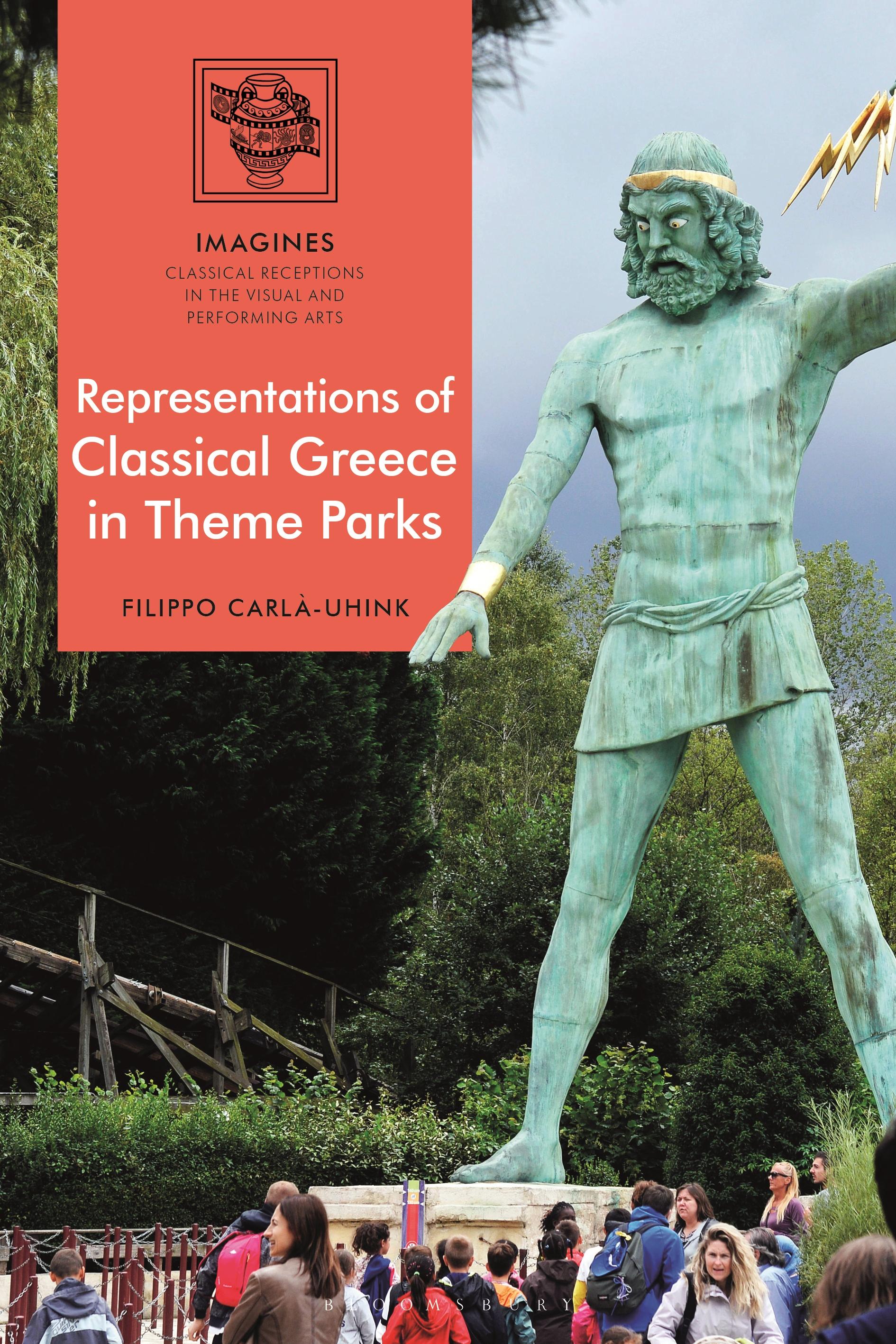
Theme park studies is a growing field in social and cultural studies. Nonetheless, until now little attention has been dedicated to the choice of the themes represented in the parks and the strategies of their representation. This is particularly interesting when the theme is a historical one, for example ancient Greece. Which elements of classical Greece find their way into a theme park and how are they chosen and represented? What is the “entertainment” element in ancient Greek history, culture and myth, which allows its presence in commercial structures aiming to people's fun? How does the representation of Greece change against different cultural backgrounds, e.g. in different European countries, in the USA, in China?
This book frames a discussion of these representations within the current debates about immersive spaces, uses of history and postmodern aesthetics, and analyses how ancient Greece has been represented and made “enjoyable” in seven different theme parks across the world, providing an original and ground-breaking contribution to theme park studies and classical reception.
This book frames a discussion of these representations within the current debates about immersive spaces, uses of history and postmodern aesthetics, and analyses how ancient Greece has been represented and made “enjoyable” in seven different theme parks across the world, providing an original and ground-breaking contribution to theme park studies and classical reception.
Betal enkelt med kort, Klarna, Apple Pay eller Google Pay. Ikke fornøyd? Du har alltid 14 dagers angrerett. Les mer i våre vilkår. Har du spørsmål, send oss en e-post på hello@memmo.org.
Memmo gjør det enklere å studere – uansett hvor du er i verden. Hos oss samler du pensumbøker og smarte studieverktøy på ett og samme sted: sammendrag, quizer, podkaster og flashcards. Og så Ted, din studiekompis som svarer på alt du lurer på. Over 50 000 studenter studerer allerede her – bygget for at du skal lære raskere og stresse mindre.