
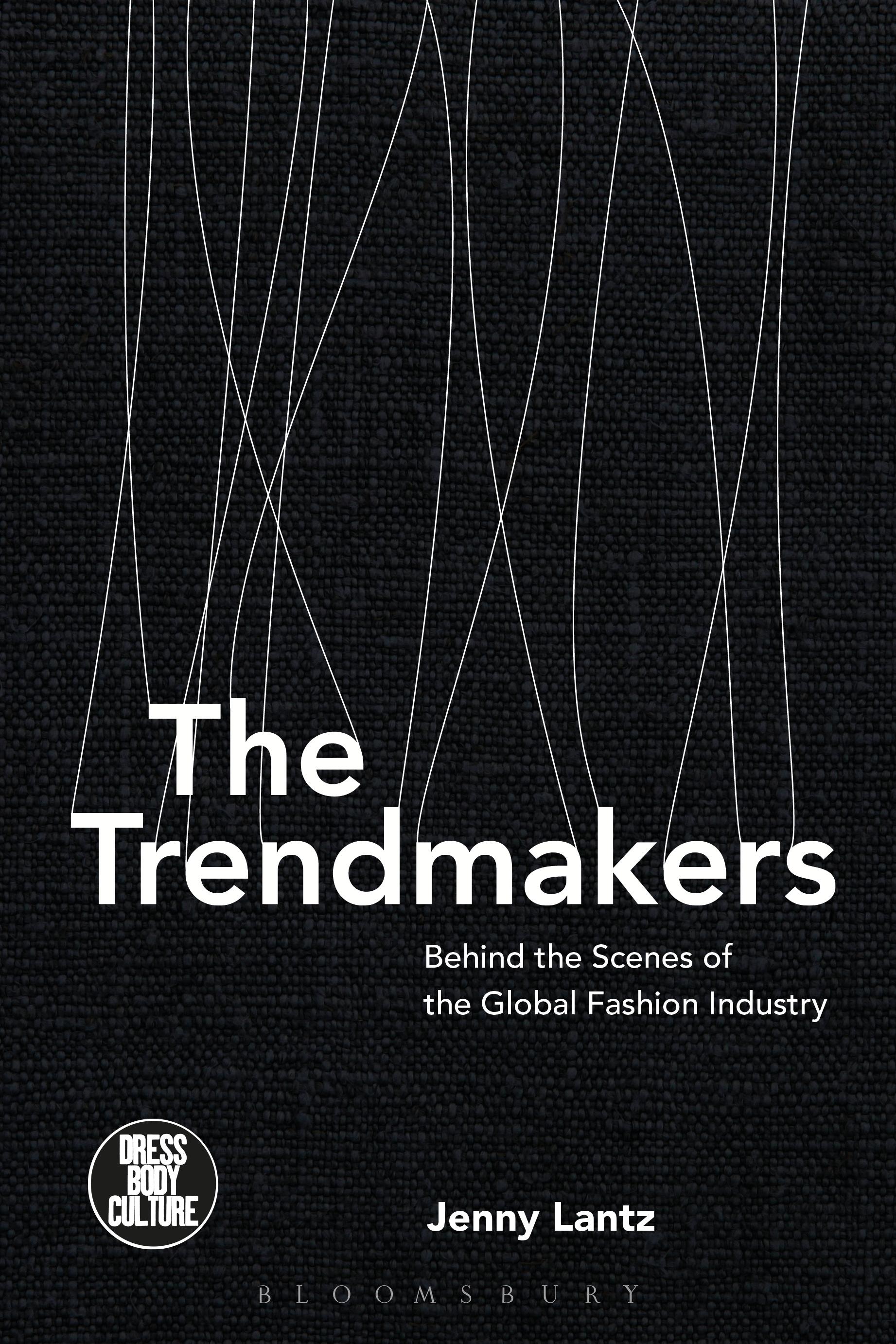
Numerous tastemakers exist in and between fashion production and consumption, from designers and stylists to trend forecasters, buyers, and journalists. How and why are each of these players bound up in the creation and dispersion of trends? In what ways are consumers' relations to trends constructed by these individuals and organizations? This book explores the social significance of trends in the global fashion industry through interviews with these 'fashion intermediaries', offering new insights into their influential roles in the setting and shaping of trends.
The Trendmakers contains exclusive interviews with financial analysts, creative directors from high street stores like H&M to designer brands such as Erdem, trend forecasters at WGSN, buyers from Harvey Nichols, and major fashion names like The Telegraph fashion critic Hilary Alexander. In contrast to existing research, Lantz offers an international understanding of the trend landscape, engaging with industry professionals from fashion capitals like London, Paris, and New York, as well as BRIC countries and the new, emerging fashion nations. The fashion media may have declared that 'trends are dead' in the light of digital dissemination, but Lantz argues that trends still not only serve as a significant organizing principle for the fashion industry as a whole but also as a source for legitimacy.
Engaging with classic fashion thinkers like Veblen, Simmel, and Bourdieu, as well as contemporary scholars like Entwistle and Steele, this book considers trends from an economic and cultural perspective to add to our knowledge of the complexities of the business of fashion.
The Trendmakers contains exclusive interviews with financial analysts, creative directors from high street stores like H&M to designer brands such as Erdem, trend forecasters at WGSN, buyers from Harvey Nichols, and major fashion names like The Telegraph fashion critic Hilary Alexander. In contrast to existing research, Lantz offers an international understanding of the trend landscape, engaging with industry professionals from fashion capitals like London, Paris, and New York, as well as BRIC countries and the new, emerging fashion nations. The fashion media may have declared that 'trends are dead' in the light of digital dissemination, but Lantz argues that trends still not only serve as a significant organizing principle for the fashion industry as a whole but also as a source for legitimacy.
Engaging with classic fashion thinkers like Veblen, Simmel, and Bourdieu, as well as contemporary scholars like Entwistle and Steele, this book considers trends from an economic and cultural perspective to add to our knowledge of the complexities of the business of fashion.
Betal enkelt med kort, Klarna, Apple Pay eller Google Pay. Ikke fornøyd? Du har alltid 14 dagers angrerett. Les mer i våre vilkår. Har du spørsmål, send oss en e-post på hello@memmo.org.
Memmo gjør det enklere å studere – uansett hvor du er i verden. Hos oss samler du pensumbøker og smarte studieverktøy på ett og samme sted: sammendrag, quizer, podkaster og flashcards. Og så Ted, din studiekompis som svarer på alt du lurer på. Over 50 000 studenter studerer allerede her – bygget for at du skal lære raskere og stresse mindre.