
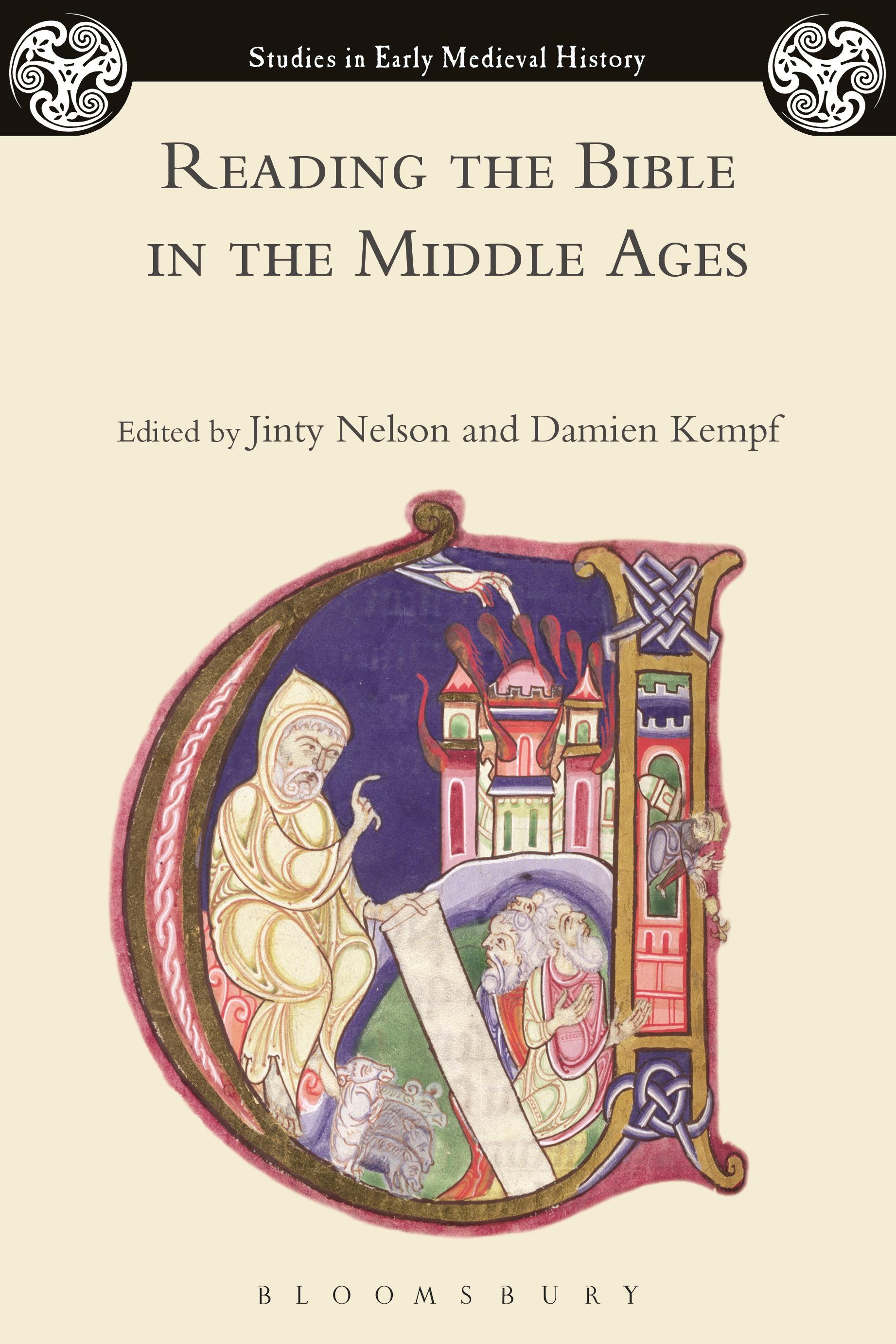
For earlier medieval Christians, the Bible was the book of guidance above all others, and the route to religious knowledge, used for all kinds of practical purposes, from divination to models of government in kingdom or household. This book's focus is on how medieval people accessed Scripture by reading, but also by hearing and memorizing sound-bites from the liturgy, chants and hymns, or sermons explicating Scripture in various vernaculars. Time, place and social class determined access to these varied forms of Scripture. Throughout the earlier medieval period, the Psalms attracted most readers and searchers for meanings.
This book's contributors probe readers' motivations, intellectual resources and religious concerns. They ask for whom the readers wrote, where they expected their readers to be located and in what institutional, social and political environments they belonged; why writers chose to write about, or draw on, certain parts of the Bible rather than others, and what real-life contexts or conjunctures inspired them; why the Old Testament so often loomed so large, and how its law-books, its histories, its prophetic books and its poetry were made intelligible to readers, hearers and memorizers. This book's contributors, in raising so many questions, do justice to both uniqueness and diversity.
This book's contributors probe readers' motivations, intellectual resources and religious concerns. They ask for whom the readers wrote, where they expected their readers to be located and in what institutional, social and political environments they belonged; why writers chose to write about, or draw on, certain parts of the Bible rather than others, and what real-life contexts or conjunctures inspired them; why the Old Testament so often loomed so large, and how its law-books, its histories, its prophetic books and its poetry were made intelligible to readers, hearers and memorizers. This book's contributors, in raising so many questions, do justice to both uniqueness and diversity.
Betal enkelt med kort, Klarna, Apple Pay eller Google Pay. Ikke fornøyd? Du har alltid 14 dagers angrerett. Les mer i våre vilkår. Har du spørsmål, send oss en e-post på hello@memmo.org.
Memmo gjør det enklere å studere – uansett hvor du er i verden. Hos oss samler du pensumbøker og smarte studieverktøy på ett og samme sted: sammendrag, quizer, podkaster og flashcards. Og så Ted, din studiekompis som svarer på alt du lurer på. Over 50 000 studenter studerer allerede her – bygget for at du skal lære raskere og stresse mindre.