
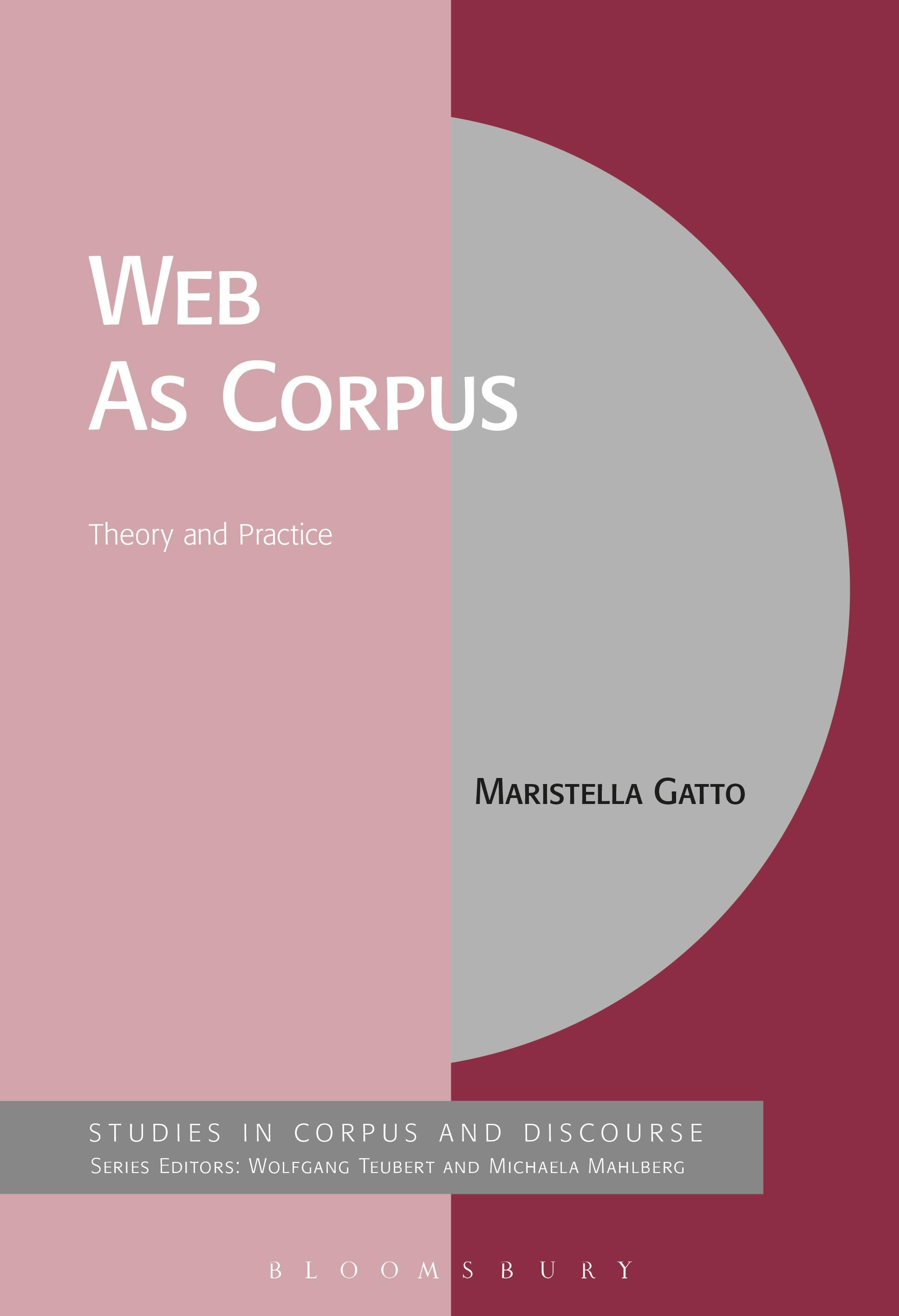
Is the internet a suitable linguistic corpus? How can we use it in corpus techniques? What are the special properties that we need to be aware of? This book answers those questions.
The Web is an exponentially increasing source of language and corpus linguistics data. From gigantic static information resources to user-generated Web 2.0 content, the breadth and depth of information available is breathtaking – and bewildering. This book explores the theory and practice of the “web as corpus”. It looks at the most common tools and methods used and features a plethora of examples based on the author's own teaching experience. This book also bridges the gap between studies in computational linguistics, which emphasize technical aspects, and studies in corpus linguistics, which focus on the implications for language theory and use.
The Web is an exponentially increasing source of language and corpus linguistics data. From gigantic static information resources to user-generated Web 2.0 content, the breadth and depth of information available is breathtaking – and bewildering. This book explores the theory and practice of the “web as corpus”. It looks at the most common tools and methods used and features a plethora of examples based on the author's own teaching experience. This book also bridges the gap between studies in computational linguistics, which emphasize technical aspects, and studies in corpus linguistics, which focus on the implications for language theory and use.
Betal enkelt med kort, Klarna, Apple Pay eller Google Pay. Ikke fornøyd? Du har alltid 14 dagers angrerett. Les mer i våre vilkår. Har du spørsmål, send oss en e-post på hello@memmo.org.
Memmo gjør det enklere å studere – uansett hvor du er i verden. Hos oss samler du pensumbøker og smarte studieverktøy på ett og samme sted: sammendrag, quizer, podkaster og flashcards. Og så Ted, din studiekompis som svarer på alt du lurer på. Over 50 000 studenter studerer allerede her – bygget for at du skal lære raskere og stresse mindre.