
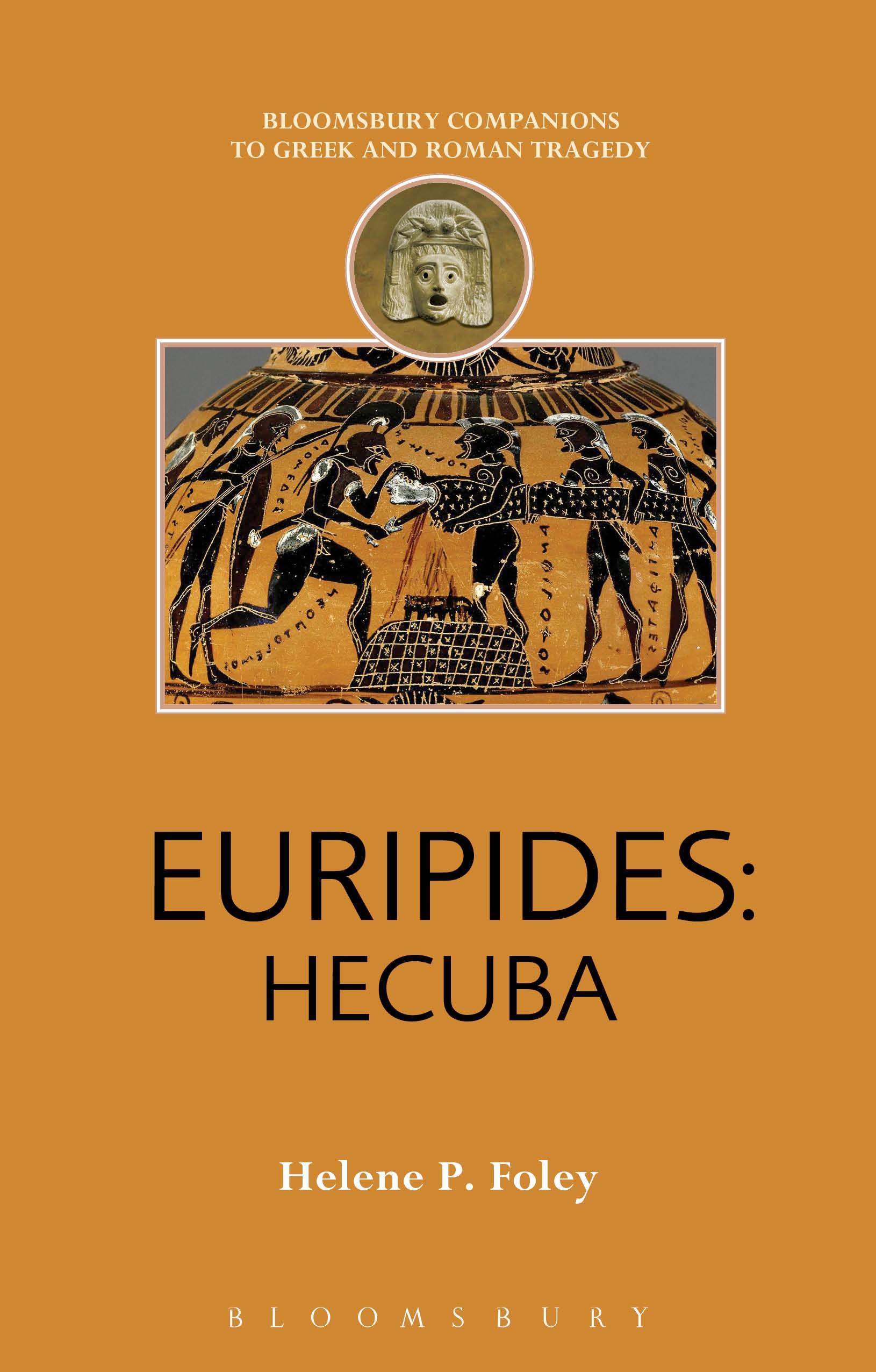
Chosen as one of the ten canonical plays by Euripides during the Hellenistic period in Greece, Hecuba was popular throughout Antiquity. The play also became part of the so-called 'Byzantine triad' of three plays of Euripides (along with Phoenician Women and Orestes) selected for study in school curricula, above all for the brilliance of its rhetorical speeches and quotable traditional wisdom. Translations into Latin and vernacular languages, as well as stage performances emerged early in the sixteenth century. The Renaissance admired the play for its representation of the extraordinary suffering and misfortunes of its newly-enslaved heroine, the former queen of Troy Hecuba, for the courageous sacrificial death of her daughter Polyxena, and for the beleaguered queen's surprisingly successful revenge against the unscrupulous killer of her son Polydorus. Later periods, however, developed reservations about the play's revenge plot and its unity. Recent scholarship has favorably reassessed the play in its original cultural and political context and the past thirty years have produced a number of exciting staged productions. Hecuba has emerged as a profound exploration of the difficulties of establishing justice and a stable morality in post-war situations.
This book investigates the play's changing critical and theatrical reception from Antiquity to the present, its mythical and political background, its dramatic and thematic unity, and the role of its choruses.
This book investigates the play's changing critical and theatrical reception from Antiquity to the present, its mythical and political background, its dramatic and thematic unity, and the role of its choruses.
Betal enkelt med kort, Klarna, Apple Pay eller Google Pay. Ikke fornøyd? Du har alltid 14 dagers angrerett. Les mer i våre vilkår. Har du spørsmål, send oss en e-post på hello@memmo.org.
Memmo gjør det enklere å studere – uansett hvor du er i verden. Hos oss samler du pensumbøker og smarte studieverktøy på ett og samme sted: sammendrag, quizer, podkaster og flashcards. Og så Ted, din studiekompis som svarer på alt du lurer på. Over 50 000 studenter studerer allerede her – bygget for at du skal lære raskere og stresse mindre.