
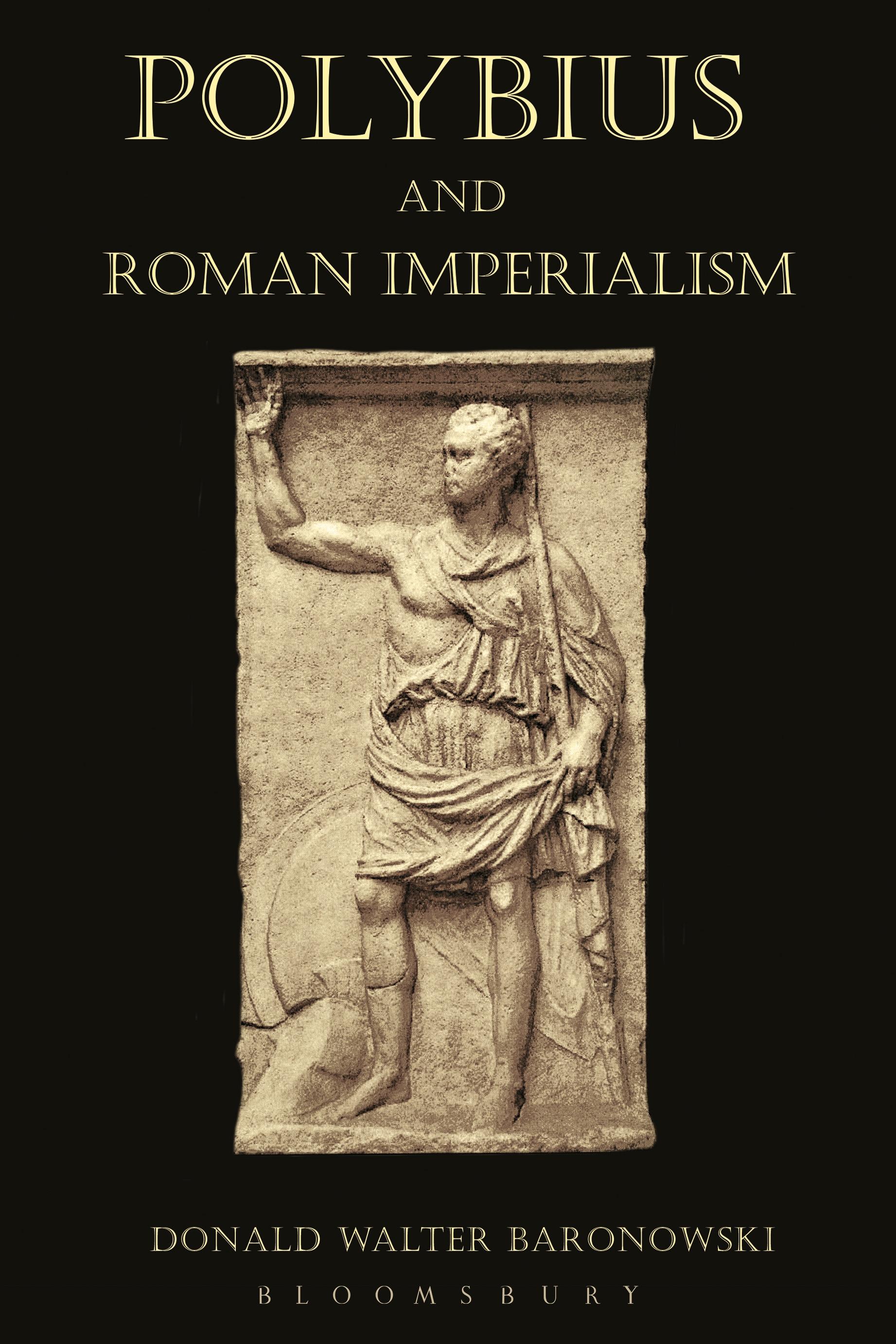
Polybius and Roman Imperialism explores in depth the complexity of the Greek historian Polybius'
views on the expansion of Roman power. Although he considered imperialism intrinsically noble, and both admired and supported Roman domination, Polybius also evinced detachment from the ruling power. This detachment came in different forms: personal, cultural, patriotic and cultural.
In general, he believed that the Romans cited morally acceptable pretexts for declaring war, observed justice in other aspects of foreign policy, and practised beneficence and moderation in their dealings with subject nations. Even with less than half of the original text surviving, the author reveals Polybius' personality and political philosophy.
views on the expansion of Roman power. Although he considered imperialism intrinsically noble, and both admired and supported Roman domination, Polybius also evinced detachment from the ruling power. This detachment came in different forms: personal, cultural, patriotic and cultural.
In general, he believed that the Romans cited morally acceptable pretexts for declaring war, observed justice in other aspects of foreign policy, and practised beneficence and moderation in their dealings with subject nations. Even with less than half of the original text surviving, the author reveals Polybius' personality and political philosophy.
Betal enkelt med kort, Klarna, Apple Pay eller Google Pay. Ikke fornøyd? Du har alltid 14 dagers angrerett. Les mer i våre vilkår. Har du spørsmål, send oss en e-post på hello@memmo.org.
Memmo gjør det enklere å studere – uansett hvor du er i verden. Hos oss samler du pensumbøker og smarte studieverktøy på ett og samme sted: sammendrag, quizer, podkaster og flashcards. Og så Ted, din studiekompis som svarer på alt du lurer på. Over 50 000 studenter studerer allerede her – bygget for at du skal lære raskere og stresse mindre.